







It's 7:40 on a Tuesday. You've just cleansed, and your face feels tight enough that you notice it when you raise your eyebrows. Your hands are worse. Between the soap at the sink and the dry air on the bus, the skin around your knuckles has gone rough and papery. And there on the counter, behind the toothpaste, sits a jar of pure aloe vera gel you bought months ago and never quite worked into a routine.
That jar is more useful than it often gets credit for, and less powerful than the label suggests. Pure aloe vera gel is mostly water with a light gel texture, so it sinks in fast and adds moisture without the greasy film a cream leaves behind. That makes it handy in a dozen small moments of the day: after washing your face, after shaving, after a hot afternoon outside. It is not a treatment for anything, and it won't stand in for sunscreen or a richer cream in January.
Here are eight pure aloe vera gel uses worth keeping, each with the application method that works, a real moment where it fits, and the honest limitation you should know before you lean on it. If you grow your own plant on a windowsill, watering tips for aloe plants will keep the leaves plump enough to matter.
1. Lightweight Daily Hydration Layer
Maria's face goes tight by mid-morning on a twelve-hour hospital shift. The air conditioning pulls water off her skin, and a heavy cream would leave a shine before the next patient consult. She keeps a small bottle of pure aloe gel at the nurses' station and presses a pea-sized amount over her cheeks and forehead at lunch. The tightness eases. The gel is gone before she stands up.
A student with ten minutes in the morning can use the same step. Cleanse, leave the skin damp, press the gel in, and go.
Water left on the face evaporates within a minute or two, and that is when the tight feeling starts. A thin layer of pure aloe gel, pressed onto damp skin, gives the surface something to hold without the residue that makes people skip moisturizer. Warm a small amount between your palms and press it in. Rubbing drags on skin that already feels tight. Waiting until the face is bone dry means you have already lost the water the gel was meant to hold.
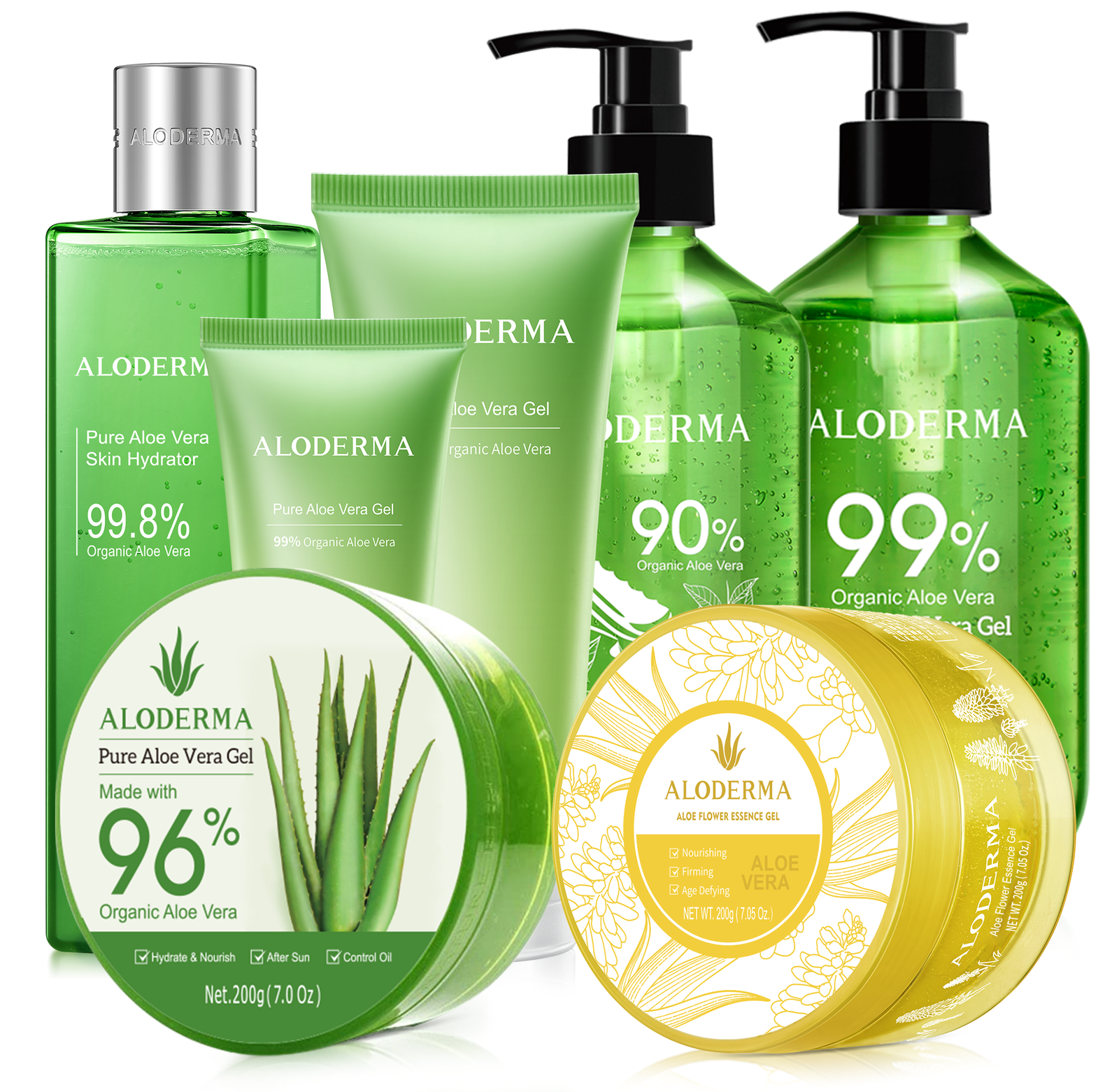
Cheap gels are mostly water and thickener. The useful difference is how much aloe is in the bottle and how soon it was processed after harvest. ALODERMA grows organic aloe on its own plantations and processes it on site within 12 hours of harvest. In these pure aloe gels, aloe juice leads the ingredient list rather than water.
In cold weather or heated indoor air, follow with a cream. A gel alone will not hold moisture against dry air for a full day. I would rather add that cream than pile on a second layer of gel.
A gel keeps skin comfortable. It does not repair broken skin. A Cochrane review of the clinical evidence looked at seven trials with 347 participants and found insufficient high-quality evidence that aloe heals acute or chronic wounds. If your skin is flaking, add the cream. A thicker layer of gel will not do that job.
2. Cooling Post-Shave Comfort Gel
James shaves on Monday morning before a meeting he's nervous about. Ten minutes later his jaw is tight, warm, and faintly stinging, and the alcohol-heavy aftershave on the shelf would only sharpen that feeling. A thin layer of pure aloe gel straight from the fridge cools the skin and disappears in under a minute. No scent, no film, no sting.
Shaving lifts moisture off the surface of the skin and leaves it more reactive than usual for an hour or so. Water-based aloe suits that window because it's mostly water, absorbs fast, and carries none of the heavy oils that can clog a freshly shaved surface. Priya shaves her legs before summer trips and keeps a bottle in the bathroom for exactly this reason.
Practical rule: pat the skin dry, not damp, before you apply. Gel spreads evenly on dry skin and beads up on wet skin.
Getting it right
- Chill the bottle, not your skin. Ten minutes in the fridge is enough. Ice directly on skin is not.
- Start small. A pea-sized amount covers the jaw and neck. More just takes longer to dry.
- Skip the fragrance layer. If your skin reacts to scented products, don't stack a fragrance on top of a fresh shave.
Aloe is generally well tolerated, but not universally. A review of clinical trials on topical aloe notes that burning, itching, rash, and eczema have been reported occasionally. Patch test on your inner forearm 24 hours before you cover a large area like both legs, and stop if the gel stings going on rather than cooling.
3. Overnight Hydrating Sleep Mask
Elena flies overnight to Frankfurt twice a month. By the time she lands, her skin feels like paper, and a full night cream under a plane blanket is more than she wants. Her routine is unglamorous and it works. Cleanse, a generous layer of aloe gel, sleep, rinse in the morning.
Using aloe as a sleep mask is exactly that, a thicker layer than you'd wear during the day, left on while you sleep. Because the gel is mostly water, it doesn't leave the greasy pillowcase imprint a heavy cream does, and it feels cool going on, which matters on a warm night when anything richer feels like too much.
How much to use
Two fingertip scoops for face and neck, spread thin enough that it stops looking wet within a minute. Anything still sitting on the surface at bedtime will transfer to your pillow.
- Prep properly. Clean skin only. Gel over the day's sunscreen does nothing useful.
- Layer, don't drown. A thick coat dries tacky and pulls at your skin by morning.
- Protect the pillow. A silk or dark pillowcase saves you from scrubbing residue out of cotton.
The format is popular for a reason, and there's a step-by-step overnight mask routine detailing the layer order if you want to build it into a full evening sequence. If you wake with puffy eyes, a chilled reusable cooling eye mask does more for that than another coat of gel.
The limitation bites in winter. Gel holds water at the surface; it doesn't seal it in the way an oil or a rich cream does. A systematic review of topical aloe in clinical use covering 10 trials and 803 participants found the clinical effectiveness insufficiently defined, with results swinging widely between studies. In a dry room, put three drops of night cream over the gel and stop worrying about it.
4. Makeup Base and Pre-Makeup Primer
Sofia shoots weddings for a living: twelve hours on her feet, a camera against her face, and a foundation that has to survive a dance floor. Her trick is unglamorous. A thin layer of pure aloe gel after cleansing, a minute to settle, then foundation.
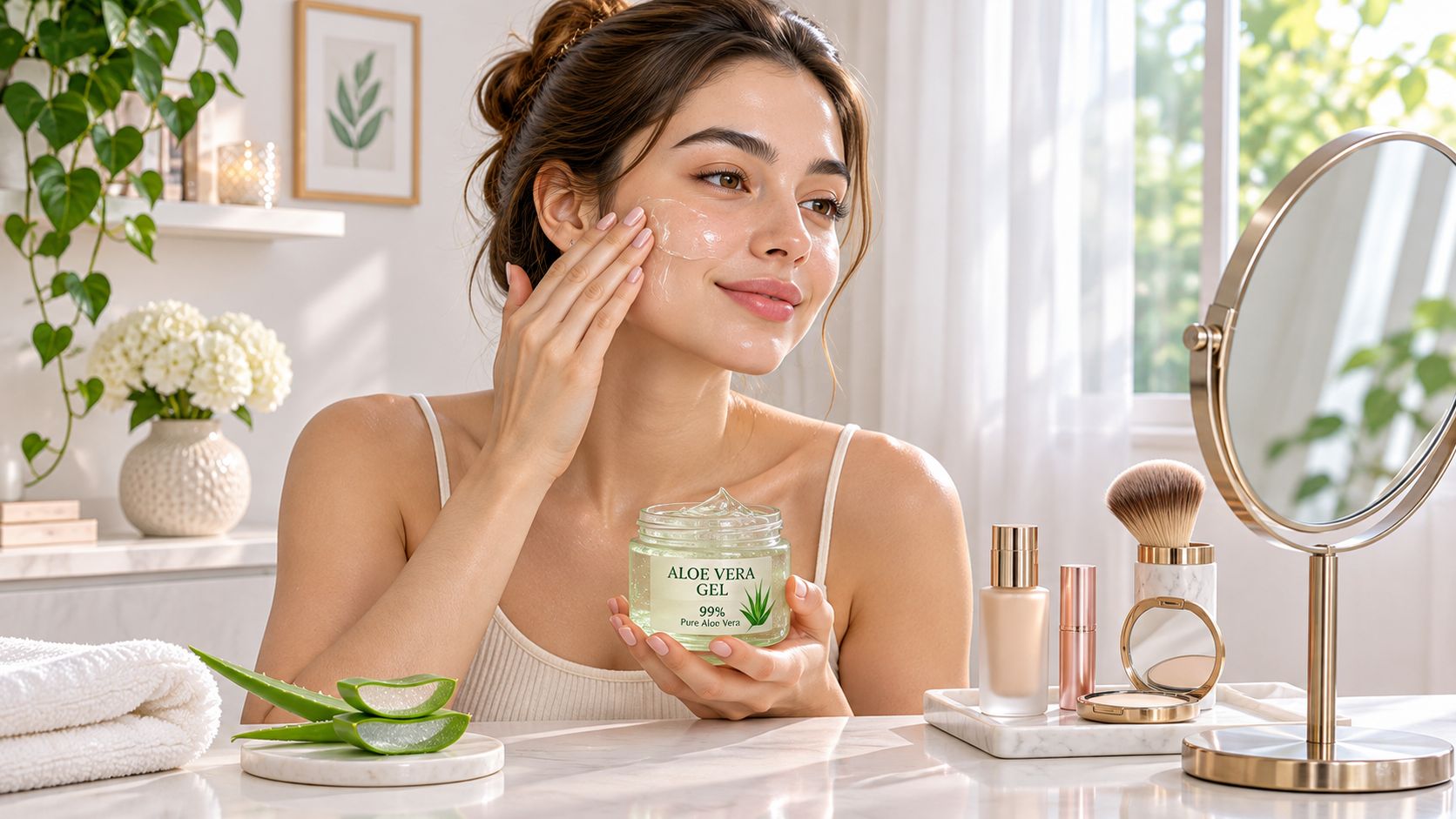
Hydrated skin holds makeup differently. A gel layer plumps the surface and gives liquid foundation something to glide across, and because the gel is water-based and light, it doesn't pill or slide the way a heavy silicone primer can. The bride who tests this combination on a Wednesday, not on the morning of the wedding, is the one who ends up relaxed.
Three rules that decide whether it works
- One minute of patience. Let the gel absorb fully. Foundation pressed into wet gel will streak.
- Thin, always thin. A primer layer should be invisible. If you can see shine, you've used too much.
- Liquid and cream formulas only. Powder foundation dragged over a gel layer goes patchy in an hour.
Hydrated skin holds makeup better than primed skin. The gel is doing prep work, not magic.
The limitation is grip. Aloe has none. It won't lock makeup down through humidity the way a polymer primer will, and it won't blur texture or fill pores. On a hot day you still need a light powder through the T-zone, and if you want the full sequence, this guide on how to make makeup last all day covers setting and touch-ups properly.
5. Refreshing Hair and Scalp Treatment
Humidity on the walk from the station lifts wavy hair at the ends before you sit down. Serums and oils fight that frizz, then coat the lengths and weigh them down. Scrunch a small amount of pure aloe gel through damp ends before you style. It holds the shape without that film, and water alone rinses it out.
Aloe suits hair because it is a light humectant. It draws water in and keeps it there, and it skips the oily film that flattens fine hair. Once a week, use the same jar on the scalp: part the hair, massage gently, leave it ten minutes, then wash. After bath time, a little on curly lengths can make combing easier. Wipe stray gel off the forehead and hairline, and keep it away from the eyes, where it can irritate.
I recommend this weekly scalp method for sectioning and timing.
Amounts that actually work
- Fine hair. Half a fingertip, mid-lengths to ends only. Roots plus gel equals flat.
- Thick or curly hair. Two fingertips, worked through damp hair and combed for even distribution.
- Scalp treatment. A tablespoon massaged in, left ten minutes, rinsed thoroughly.
If your scalp flakes or feels tender, a gel layer won't address the cause. See a dermatologist before you add another product, and look at understanding flaking and scalp tenderness while you wait for that visit.
Aloe conditions the surface of the hair and nothing deeper. It won't mend a split end, and it won't replace a trim. Use it as a light styling aid for hair that's already in reasonable shape. On very dry ends, follow the gel with a richer conditioner so the softness lasts past the morning.
6. Hand and Cuticle Comfort Care
Grace teaches Year 4 and washes her hands somewhere north of twenty times a day. By three o'clock the skin between her fingers is rough and the cuticles have started to split. A small tube of pure aloe gel in her desk drawer gets her through the afternoon without leaving greasy fingerprints on the worksheets.
Hands take more punishment than faces because nobody moisturizes them between washes. A water-based gel absorbs in seconds, so you can type, drive, or pick up a child right after applying. Rub a small amount into the backs of the hands, then work what's left into each cuticle with your thumbnail.
The evening upgrade
A gel keeps hands comfortable during the day. It won't fix skin that's already cracked, and that's a job for the evening.
- Daytime. Gel after every few washes, especially in heated buildings.
- Evening. A richer hand cream before bed, then cotton gloves if your hands split every winter.
- Out and about. A travel-size tube in your bag beats a big jar at home that you never reach for.
A travel tube in your desk drawer solves this better than a bigger jar at home.
One honest caveat about the word on the label. Safety guidance on aloe vera makes the point that "pure" describes what's in the jar, not how it was made or whether it's sterile. Patch test a new tube on the inside of your wrist before you commit to using it after every wash, and stop if you get itching or a rash.
7. After-Outdoor Cooling Comfort
Tom spends a Saturday at the lake with his kids and comes home with skin that feels tight and warm across his shoulders. Before dinner, everyone gets a few gentle pats of aloe gel from the jar in the cooler bag. It's a small ritual, and it turns the end of a long day outside into something calmer.
A weekend hiker does the same thing in a car park, face and neck first, then the backs of the hands. The appeal is temperature and texture at once: the gel is cold from the cooler and it vanishes into the skin instead of sitting on top of it like a lotion.
Doing it in the right order
- Sunscreen first, always. Apply SPF before you go out and reapply on the label's schedule. Aloe is what you do afterward, never instead.
- Keep it cold. A gel pack in the cooler bag makes the application feel better and keeps the product fresh.
- Store it out of heat. A jar left on a car dashboard all afternoon isn't doing your skin any favors.
Aloe's most studied role in skin care sits right here, in comfort after heat exposure. A 2007 systematic review of aloe vera research pooled four controlled trials involving 371 patients, and even that body of work has since been judged limited or low quality by later evidence reviews. Treat the gel as a comfort step with a modest evidence base, not a remedy.
The limitation matters most on this use. If skin is blistering, spreading red, or painful hours later, a jar of gel is the wrong tool and you need proper care. For the everyday version, this guidance on using pure aloe vera after sun covers how much to apply and when to switch to a cream.
8. Hydrating Layer Under Sunscreen and Daily SPF
Lena cycles to work every morning, which means wind, grit, and a helmet strap against her jaw for twenty minutes each way. Her morning routine is three steps. Cleanse, a thin layer of aloe gel, then sunscreen once the gel has settled. Her skin stays comfortable on the ride instead of feeling tight under the SPF.
The logic is straightforward. Sunscreen sits better on skin that's already hydrated, and a light water-based layer keeps the surface comfortable without the pilling you get when you layer a rich cream under SPF. A busy parent can run the same sequence for herself and the kids and be out the door in four minutes.
Two minutes between aloe and sunscreen is the difference between a smooth layer and a pilled mess.
The sequence that works
- Cleanse, then gel, then wait. One to two minutes is enough for the gel to absorb.
- Apply sunscreen generously. Choose a broad-spectrum formula and reapply on the schedule printed on the label.
- Don't skip the neck. It gets the same sun as your face and half the attention.
The honest limitation is that aloe provides no sun protection whatsoever. It is not a filter, it doesn't boost your SPF, and the cooling sensation after a day outdoors can lull you into thinking you've done enough. It hasn't. The sunscreen is doing all the protective work, and the gel is only making the layer underneath it more comfortable.
How the eight pure aloe vera gel uses compare
| Item | Best For | When to Apply | Key Caution |
|---|---|---|---|
| Lightweight Daily Hydration Layer | People who prefer light, fast-absorbing hydration | After cleansing, preferably on slightly damp skin | May need a moisturizer on top in dry or cold conditions |
| Cooling Post-Shave Comfort Gel | Soothing skin after shaving | After shaving, on clean, dry skin | Does not provide a scented aftershave finish |
| Overnight Hydrating Sleep Mask | A simple overnight hydration step | Before bed on clean skin | Thick application may leave residue on pillowcases |
| Makeup Base and Pre-Makeup Primer | Hydrating skin before makeup | Before foundation, allowing the gel to absorb first | Too much gel may cause foundation to pill |
| Refreshing Hair and Scalp Treatment | Lightweight conditioning for hair and scalp | On damp hair or as a weekly treatment | May leave residue; not a replacement for conditioner on very dry or damaged hair |
| Hand and Cuticle Comfort Care | Quick, non-greasy hand hydration | After washing or between tasks | Less protective than rich hand cream in harsh cold weather |
| After-Outdoor Cooling Comfort | A refreshing comfort step after outdoor activities | After spending time outdoors | Does not protect against UV exposure or replace sunscreen |
| Hydrating Layer Under Sunscreen and Daily SPF | Lightweight hydration beneath daily sunscreen | Before sunscreen; allow the gel to absorb first | Does not provide UV protection or replace sunscreen |
Building a Simple Pure Aloe Gel Routine That Lasts
Eight uses is too many to run every day, and you shouldn't try. The people who get real value from a jar of pure aloe gel pick two or three moments that match their actual rhythm and ignore the rest. If you work indoors under dry air, the hydration layer in the morning and a thin coat before bed are enough. If you shave regularly, the post-shave step earns its place. If you spend weekends outdoors, keep a jar in the cooler bag and leave the rest of the routine alone.
Make it easy to reach for. A travel tube in your bag, a small jar on the nightstand, and a bottle at the desk do more for consistency than a careful plan you have to remember. Patch test any new product on your inner forearm first, especially if your skin has reacted to scented products before, and stop if you feel stinging rather than cooling. That rule applies to every use on this list.
Aloe supports comfort. It doesn't protect you, and it doesn't replace anything. In harsh conditions, such as dry cold, strong sun, or long days in air conditioning, the gel is the layer underneath the product doing the work. Sunscreen remains essential, and a richer cream or an oil belongs over the gel whenever the air is dry enough to crack your hands.
Freshness is what separates a gel that feels cool and slippery from one that feels like water with a thickener in it. We grow our own organic aloe on our own plantations and process it onsite within 12 hours of harvest, which is the reason the aloe stays as close to the fresh leaf as it can be by the time you open the jar. That's the standard worth asking about when you compare products, regardless of whose name is on the label.
Start with one use, run it for two weeks, and see whether your skin feels better for it. Then add a second. The pure aloe gels come in sizes built for a desk drawer, a bathroom shelf, or a travel bag, and choosing the size that fits where you'll use it is the difference between a product that gets used and one that sits behind the toothpaste.
ALODERMA grows its own organic aloe vera on its own plantations and processes it onsite within 12 hours of harvest, so the aloe is the primary ingredient in every formula rather than an afterthought near the bottom of the list. If you want to put any of these eight uses into practice, start with the pure aloe gels and hydrators and pick the size that suits your routine. Visit ALODERMA to browse the full range and find the gel that fits your day.