







Most oily-skin advice starts with the wrong instinct: remove as much oil as possible. That can leave a reactive face tight, hot, or stinging while shine returns before the day is over. A better sensitive oily skin care routine manages surface oil without treating hydration as the enemy.
Sensitive skin is common rather than niche. A 2020 systematic review estimated that 71% of adults worldwide reported some degree of sensitive skin, which supports a low-irritation approach instead of aggressive oil removal (systematic review of sensitive skin). The practical shift is simple: cleanse gently, hydrate with light textures, add actives cautiously, and protect the skin every morning.
Rethinking Oil Control for Reactive Skin
Squeaky-clean skin is not proof of effective oil control. Tightness after cleansing often means the cleanser has removed more than surface buildup. Repeated scrubbing, hot water, strong astringents, and alcohol-heavy formulas can leave reactive skin uncomfortable without changing its tendency to produce sebum.
For oily skin, the American Academy of Dermatology advises cleansing up to twice daily and after sweating with a mild, non-abrasive product. It also recommends moisturizing after cleansing and choosing oil-free, noncomedogenic formulas, while cautioning against oil-based or alcohol-based cleansers that may irritate the skin (AAD guidance for oily skin).
Practical rule: If your face feels tight immediately after washing, do not wash more often. Reassess the cleanser, water temperature, and pressure from your fingertips.
Why dehydration can hide beneath shine
Gloss does not confirm adequate hydration. Tight cheeks, roughness around the mouth, or stinging from a previously comfortable product can indicate that oiliness is only part of the problem. A 2025 study describing barrier-sensitive, neurosensitive, and inflammatory-sensitive patterns found that increased oil does not exclude dehydration or impaired barrier function (emerging sensitivity classification).
Daily habits can reinforce the wrong response. Someone who commutes, wears sunscreen, and develops midday shine may reach for another cleanse. If washing also leaves the skin tight, a thin layer of fresh aloe gel or a lightweight lotion may provide more useful comfort than another oil-stripping step.
The barrier-first alternative
Use a mild cleanser, a watery hydrator, and a non-greasy moisturizer. Apply products with fingertips instead of cotton pads or scrubs, rinse with lukewarm water, and introduce each new formula gradually.
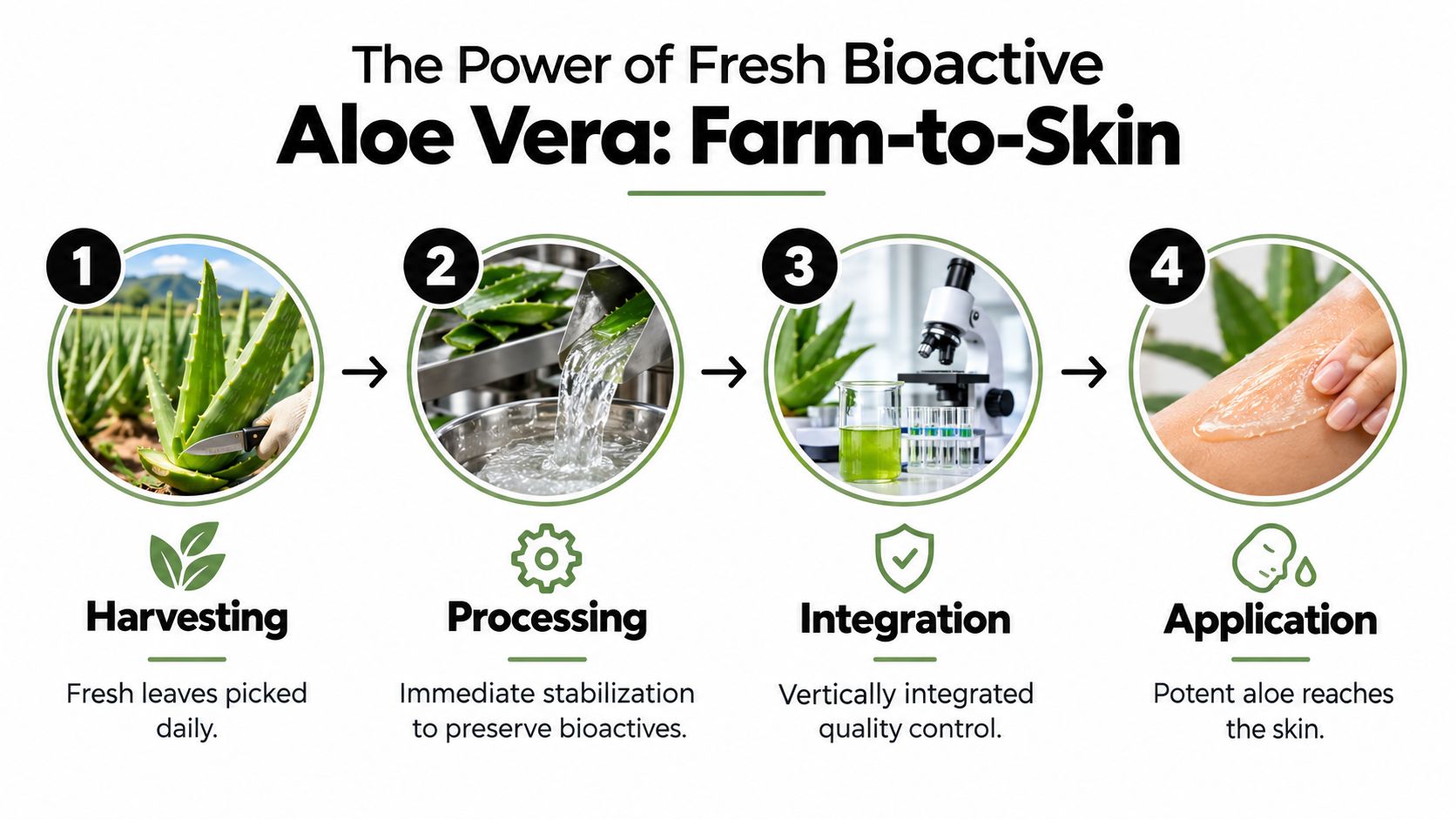
Fresh aloe supports this approach with a light layer of hydration that avoids the heavy finish many oily-skin users dislike. Freshness and processing also matter. Aloe processed within 12 hours of harvest, as in ALODERMA's vertically integrated model, can offer a more direct farm-to-skin approach than standard shelf-stable formulas. Oil control becomes a matter of limiting excess surface buildup while preserving enough comfort to maintain the routine.
The Power of Fresh Bioactive Aloe Vera
Aloe isn't automatically equivalent from one product to another. The label may list aloe prominently, but the sourcing and processing story can determine whether the formula is built around fresh aloe juice or a distant, reconstituted material.
ALODERMA is a fully vertically integrated aloe vera company. It grows all of its own organic aloe vera, processes the aloe, and manufactures products onsite within 12 hours of harvest. The company presents that farm-to-skin model as a way to keep aloe as fresh and bioactive as possible in the finished formula (ALODERMA's organic sourcing and processing model).
What to look for on a label
For reactive, oily skin, I look for a short, purposeful formula rather than a crowded ingredient list. Fresh aloe should appear prominently, and the texture should match the job: watery toner for quick hydration, gel for a weightless layer, and a light lotion when the face needs more lasting comfort.
ALODERMA states that its plantations hold ECOCERT and USDA organic certifications. The company also explains that USDA organic standards require 95% of a product's plant-based ingredients to be organic, while ECOCERT assesses environmentally responsible production and limits petrochemical use. Those details give shoppers something more concrete to examine than a vague “natural” claim.
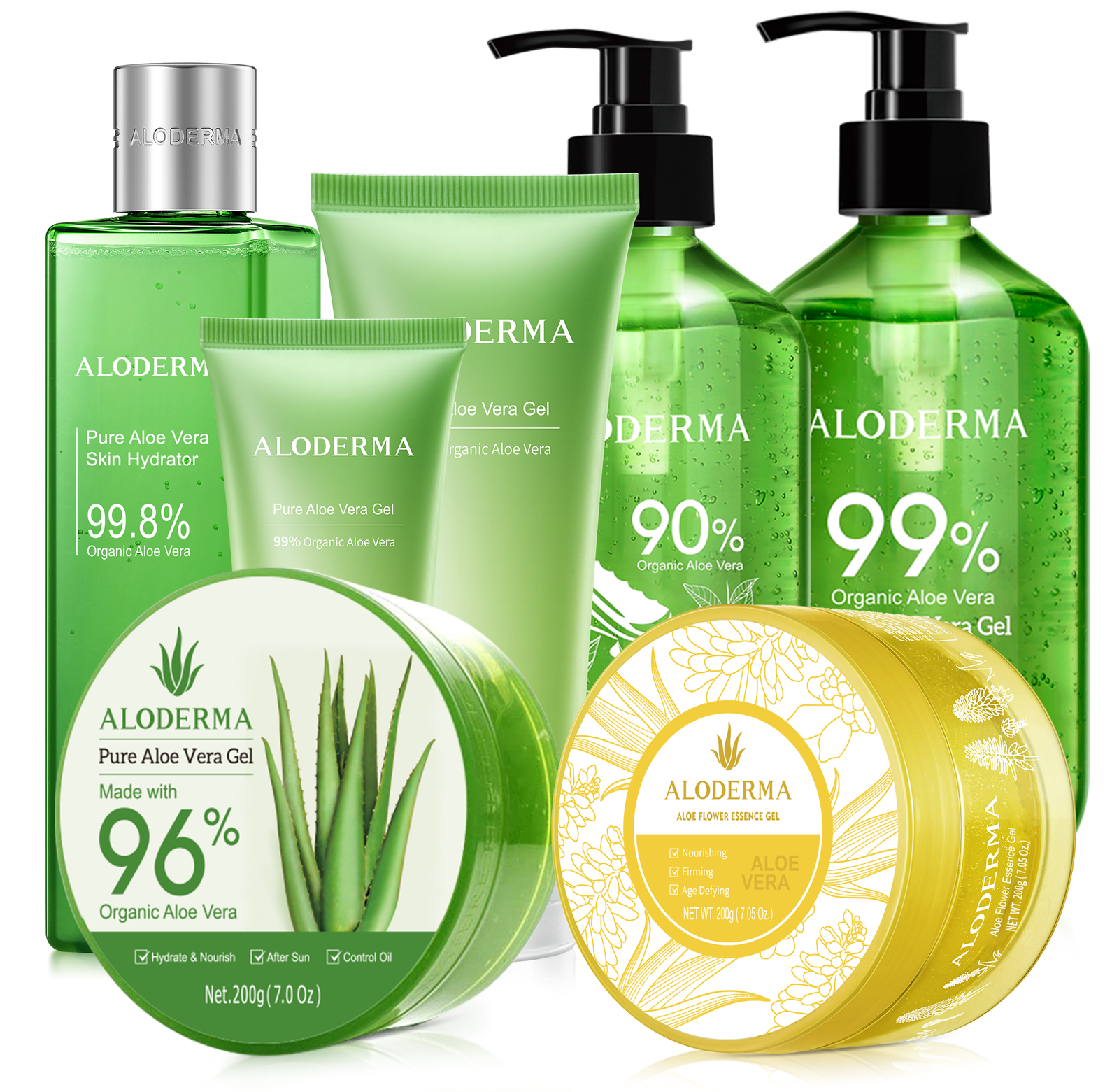
The brand's oily-skin guidance describes aloe products with clear aloe content, including a gel containing 99.8% organic aloe vera juice, a lightweight moisturizer containing 99% fresh organic aloe juice, and another product described as containing 96% fresh, organic aloe as its main ingredient (aloe options for oily skin). Percentages don't guarantee that every person will tolerate a product, but they help you distinguish an aloe-centered formula from one that only uses aloe as a minor supporting ingredient.
Freshness isn't a substitute for patch testing. It does, however, make supply-chain transparency relevant when your face reacts to heavy textures or strongly fragranced products. A vertically integrated process lets the same company manage cultivation, harvesting, processing, and manufacturing rather than relying entirely on a distant raw-material supplier.
Your Daily Cleansing and Hydration Steps
A reliable routine should feel almost boring. That's a strength when your skin reacts easily. Dermatology guidance supports a simple pattern, cleanse up to twice daily and after sweating, moisturize while skin is slightly damp, and use broad-spectrum sunscreen (AAD's oily-skin routine framework).
Morning
- Cleanse lightly. Use a small amount of our Aloe Hydrating Cleanser on damp skin. This cleanser contains fresh, organic aloe vera and is designed to remove surface buildup while respecting the moisture barrier. Massage with fingertips, rinse with lukewarm water, and pat dry. Don't scrub around the nose or chin to chase every trace of shine.
- Add watery hydration. Apply Aloe Hydrating Toner while the skin is still slightly damp. ALODERMA describes it as a combination of fresh aloe, hyaluronic acid, and betaine, intended to rebalance the skin's feel and prepare it for subsequent products. Press it in with your palms instead of rubbing with a cotton pad.
- Seal with a thin moisturizer if needed. A gel or light lotion should disappear into the skin rather than sit as a greasy film. In humid weather, some people may prefer a thin aloe gel on areas that feel warm or tight, while drier areas may need a little more moisturizer.
- Finish with sunscreen. Choose broad-spectrum SPF 30 or higher, preferably an oil-free, noncomedogenic formula. Zinc oxide or titanium dioxide products without fragrance or oils may suit some blemish-prone users better.
For broader product-selection context, Vitamin Planet's beauty and skin tips can help you think about skincare as part of a wider personal-care routine without turning your bathroom shelf into a laboratory.
Evening
Remove makeup and sunscreen gently, then cleanse once. If you exercised or sweated heavily, cleanse after the activity rather than repeatedly washing throughout the day. ALODERMA also describes a separate oily-skin cleanser containing 70% organic aloe vera juice, with witch hazel and mint included to lift impurities and excess sebum while leaving the skin feeling refreshed (aloe cleanser guidance for oily skin).
Apply any acne treatment next, but only if your skin is tolerating it. Follow with toner or gel hydration, then a lightweight moisturizer. Sleeping in makeup, scrubbing after a long day, or layering several drying products usually creates more discomfort than control.
This short demonstration shows the kind of gentle application pressure and foaming technique to use:
Integrating Actives Without Causing Reactivity
Sensitive oily skin often struggles with cumulative irritation rather than one dramatic mistake. A salicylic acid product may feel fine once, then begin to sting after it's combined with a scrub, a retinoid, a drying cleanser, and frequent washing. The problem isn't always the active itself. It may be the total load placed on the skin.
Build a baseline first: gentle cleansing, lightweight hydration, and morning sunscreen. Once that routine feels comfortable, introduce one new active at a time. Salicylic acid can be a logical option for oil and congestion, but begin intermittently and don't combine it immediately with other acids, retinoids, scrubs, or drying alcohols.
A cautious introduction
Patch-test a small area before applying the product across your face. If the test is comfortable, use the active on a limited schedule and observe how your skin feels between applications. Burning, persistent redness, tightness, peeling, or scaling means you should reduce frequency or stop rather than push through.
The American Academy of Dermatology specifically recommends conservative active use for sensitive skin, with one new product at a time and reduced frequency if burning, persistent redness, or scaling develops (AAD guide to introducing skincare products).
A calmer routine beats a more ambitious routine if the ambitious one leaves you unable to cleanse, moisturize, or apply sunscreen comfortably.
For a practical test method, follow ALODERMA's patch-testing guide. Keep the rest of your routine unchanged while you evaluate the new product. That makes it easier to identify whether the active is helping, irritating, or unnecessary.
Moisturizer remains part of active care, not an optional comfort step. Apply it while skin is slightly damp, and choose an oil-free, noncomedogenic, fragrance-free or low-irritant gel or lotion. If your face starts peeling, don't answer by adding another exfoliant to remove the flakes.
Ingredients to Embrace and Avoid
Ingredient labels become easier to manage when you judge them by function and finish. For oily, reactive skin, the useful question isn't whether an ingredient sounds fashionable. Ask whether it cleans, hydrates, protects, or treats without creating a second problem.
| Category | Ingredients to Embrace | Ingredients to Avoid |
|---|---|---|
| Hydration | Fresh aloe vera, hyaluronic acid, betaine | Formulas that leave skin tight after rinsing |
| Cleansing | Mild, non-abrasive, alcohol-free cleansers | Alcohol-based cleansers, harsh scrubs |
| Treatment | Carefully introduced salicylic acid | Multiple acids, retinoids, and scrubs used together |
| Sun protection | Broad-spectrum SPF 30 or higher, zinc oxide, titanium dioxide | Heavy, fragranced formulas that feel uncomfortable |
| Fragrance profile | Fragrance-free or low-irritant options | Strong synthetic fragrance, multiple essential oils |
| Texture | Gel, watery toner, light lotion | Dense, greasy products that feel occlusive |
A fresh aloe gel can work well when you want hydration without the weight of a rich cream. Hyaluronic acid and betaine can support a watery, comfortable texture, while mineral filters such as zinc oxide and titanium dioxide are worth considering if fragranced or oily sunscreen formulas feel difficult to wear.
Fragrance deserves particular caution. Safety reviews identify fragrances, preservatives, and colorants among ingredient categories commonly associated with adverse effects, and dermatology guidance notes that fragrance can trigger irritation or allergic reactions. “Natural” doesn't automatically mean low-risk, especially when several botanical oils appear in the same formula.
For readers comparing supplements with topical routines, a hair skin nails supplement guide offers a separate way to evaluate product claims. Keep that category distinct from facial care, and don't use supplements as a reason to tolerate a topical formula that burns or peels.
Troubleshooting Common Routine Mistakes
A commuter washes after work because sunscreen and city grime feel uncomfortable. The face feels clean for a moment, then the cheeks tighten and the forehead shines again. The immediate fix isn't a third cleanse. Switch to lukewarm water, use a mild cleanser once, and apply a thin layer of aloe-based hydration while the skin is still slightly damp.
Another reader reaches for blotting papers every hour and rubs hard across the nose. Use the paper with gentle pressing instead. If the skin feels hot or tight afterward, skip the repeated friction and use a small amount of lightweight gel on dry-feeling areas rather than adding more cleanser.
When the routine feels too strong
- Tight after washing: Reduce pressure, shorten contact time, and reassess the cleanser.
- Stinging after several products: Stop the newest active first and return to the baseline routine.
- Midday shine: Press away excess surface oil instead of scrubbing or washing repeatedly.
- Peeling around the mouth: Pause exfoliating products and use a simple, light moisturizer.
- Makeup left overnight: Remove it gently before bed, then cleanse once and moisturize.
The 2025 sensitivity research is useful here because it separates different patterns of reactivity. Tightness and roughness after cleansing can point toward barrier sensitivity, while stinging from otherwise mild products suggests a different kind of reactivity than persistent uneven redness. These patterns aren't a universal diagnostic system, but they do support a controlled routine reset instead of automatically escalating acids or cleanser strength (study on sensitivity subtypes).
Your skin doesn't need punishment to look less shiny. It needs a routine you can repeat without discomfort, with products chosen for tolerability, texture, and transparent ingredient priorities.
ALODERMA offers fresh, organic aloe-based cleansers, toners, gels, serums, and lightweight moisturizers suited to a simple sensitive oily skin care routine. Explore the farm-to-skin range and choose a gentle starting point at ALODERMA, then introduce products gradually so your routine stays comfortable.