







You tried a new cleanser last night, and now your face feels hot, tight, and oddly fragile. Even water seems to announce itself on your cheeks. You may be tempted to pile on a soothing mask, scrub away the roughness, or start another product in hopes of fixing everything by morning.
A sensitive skin facial works differently. It treats your skin like a protective surface that needs steady support, not like a dirty tile that needs harder scrubbing. The most useful ritual is usually simple, low-stimulation, and repeated consistently, with gentle cleansing, hydration, and barrier-supporting ingredients at the center.
Sensitive skin is also far from rare. A 2020 systematic review covering 26 studies across 18 countries and 51,783 individuals found that 71% of adults reported some degree of sensitive skin, while 40% described it as very or moderately sensitive (systematic review of sensitive skin prevalence). That makes facial sensitivity a broad skincare concern, not a niche problem reserved for people with visibly dry skin.
When Your Face Feels Like It's Fighting Back
After a reaction, many people enter a frustrating cycle. They stop one product, try another “calming” formula, notice a new sting, and then switch again. Your bathroom shelf fills up while your skin gets less time to settle.
That pattern doesn't mean your skin is weak or that you've failed at skincare. It often means your routine is asking an already overwhelmed protective barrier to handle too many changes at once. A short, gentle ritual gives the surface of your skin fewer challenges and more consistent support.

A calmer routine starts with less
Think of the outer layer of your skin as a brick wall. Skin cells form the bricks, while naturally occurring lipids help fill the spaces between them. When that structure is supported, moisture stays in more comfortably and everyday exposures feel less disruptive. When repeated cleansing, aggressive exfoliation, fragrance, or heat keeps challenging it, the face can feel tight, sting during application, or look uneven.
That's why the best sensitive skin facial often looks almost uneventful. A practitioner may cleanse with a mild, weakly acidic product, apply a hydrating mask, add a soothing serum, and finish with a moisturizer that helps hold water near the surface. The experience may feel less dramatic than a strong peel, but the restraint is intentional.
Practical rule: If a facial leaves you feeling polished but uncomfortable, it may have pursued a temporary finish at the expense of daily tolerance.
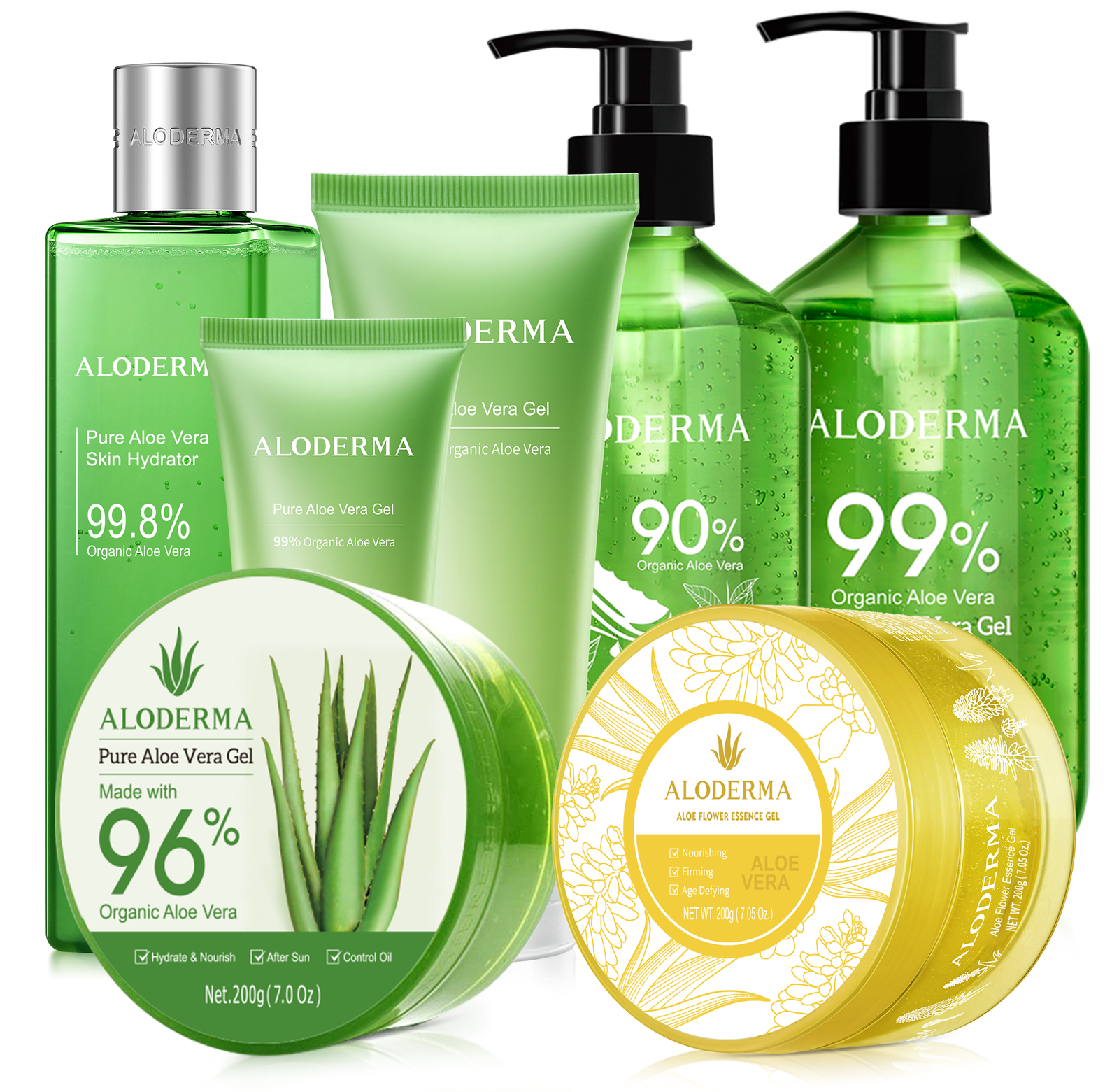
Fresh aloe vera can fit naturally into this barrier-first approach. ALODERMA is a fully vertically integrated aloe vera company. It grows its own organic aloe vera, processes the plant, and manufactures onsite within 12 hours of harvest, helping preserve highly bioactive aloe as the primary ingredient in its products. For someone whose face feels unpredictable, that farm-to-formula focus offers a clear way to evaluate freshness rather than treating “aloe” as a vague label promise.
Resilience also takes patience. A single gentle facial may make your skin feel more comfortable, but a repeatable routine is what gives you a better chance of moving away from the reaction-and-recovery cycle over time.
What a Sensitive Skin Facial Really Means
A sensitive skin facial is a low-intensity treatment that protects the skin barrier instead of testing its limits. The easiest analogy is a scraped knee. You'd rinse it gently, keep it comfortable, and protect the surface while it settles. You wouldn't scrub it with a rough brush or apply several powerful treatments just because the area looked uneven.
Your face deserves the same logic. A facial for reactive skin should remove surface buildup without leaving a squeaky, tight feeling. It should add water and supportive ingredients, then finish with a product that helps reduce moisture loss. The aim is comfort and steadier tolerance, not an instant transformation.

The three-part treatment structure
Protect comes first. The provider should use gentle contact, lukewarm water, and a cleanser that respects the skin's natural acidity. High-pH products can swell the outer skin layer and affect lipid rigidity. A cleansing review notes that pH 10 solutions increased barrier stress even without surfactants, while a 2024 review found 84.9% of liquid syndets were acidic (cleansing chemistry and skin pH review). In practical terms, a weakly acidic syndet cleanser is usually a more sensible choice than alkaline soap.
Soothe means adding hydration without creating a crowded formula. A mask may use aloe, glycerin, panthenol, oat, or other well-tolerated ingredients. The provider should also avoid turning the session into a fragrance experience, since scent can be a poor trade for someone who already knows that products sting.
Repair refers to barrier support after cleansing and hydration. Ceramides, squalane, and biomimetic lipids can help reinforce the surface, while humectants such as glycerin and hyaluronic acid help attract water. A clinical trial involving post-adolescent Japanese women with mild acne and dry, sensitive skin found that a weakly acidic cleanser plus moisturizer regimen containing pseudo-ceramide improved dryness and increased endogenous ceramide levels, with 97% of participants rating the routine useful or slightly useful (clinical trial on weakly acidic cleansing and pseudo-ceramide).
The treatment should not rely on heavy peels, rough scrubs, intense steaming, or a long sequence of strong actives. A sensitive skin facial can feel refreshing without making your face feel as though it has been challenged.
Common Triggers and Signs Your Skin Is Reacting
Sensitivity often becomes easier to understand when you connect a product or situation with what your face does afterward. You might notice tightness immediately after a foaming cleanser, lingering warmth after exercise, or flaky skin around the nose when the weather turns cold. Those patterns help you identify what your routine should stop demanding.
The most useful clue is not one isolated sensation. It's repetition. If the same type of product repeatedly causes discomfort, treat that pattern as meaningful feedback rather than something to push through.
Everyday situations that can tip the balance
Harsh sulfates can create a strong foam and a “squeaky” finish, but that finish may indicate that too much surface oil has been removed. Synthetic fragrance can make a product smell luxurious while offering no barrier benefit. Alcohol-heavy toners may feel cool and quick-drying, yet leave a tight sensation soon afterward.
Over-exfoliation is another common problem. A person may use an acid serum, a scrub, and an enzyme mask in the same week because dullness feels urgent. Sensitive skin often responds better when you remove the competition and let one gentle formula earn its place gradually.
Weather and lifestyle matter too. Cold wind, dry indoor air, hot showers, and sudden temperature changes can all make the face feel less comfortable. Stress can also coincide with more frequent flushing or product intolerance, so keep a simple note of timing rather than blaming every reaction on a single ingredient.
| Common Trigger | Typical Skin Response |
|---|---|
| Harsh sulfates or strong foaming cleansers | Tightness, dryness, or a pulled feeling after washing |
| Synthetic fragrance | Stinging, warmth, or visible redness after application |
| Alcohol-heavy toner | Quick cooling followed by dryness or discomfort |
| Frequent acids, scrubs, or strong masks | Flaking, tenderness, or increased reactivity |
| Hot showers or weather swings | Lingering flush, tightness, or rough texture |
| Sweat and friction after exercise | Temporary warmth, redness, or small bumps |
Read your skin before adding another product
Persistent redness, stinging when a moisturizer goes on, flakes beside the nose, and small bumps that appear and disappear are all useful signals to record. They don't tell you exactly which ingredient is responsible, but they do tell you that your current routine may need fewer moving parts.
A simple reset can make the pattern clearer. Use a mild cleanser, a plain moisturizer, and a comfortable aloe-based hydrator while pausing unnecessary exfoliation. Once the face feels settled, introduce only one new item at a time. That approach won't provide instant certainty, but it can help you distinguish a genuine fit from a temporary reaction.
Professional Treatments Versus At-Home Gentle Facials
Professional care and home care solve different problems. A trained provider can observe your skin in person, control the order and strength of each step, and adjust the treatment while you're on the table. Home care gives you something a clinic can't provide, daily consistency.
The right choice depends on how often your face reacts, how much hands-on care you enjoy, and whether you need a carefully supervised experience. Cost and schedule matter too, but comfort should lead the decision.
| Factor | Professional Facial | At-Home Gentle Facial |
|---|---|---|
| Personalization | A practitioner can adjust products, pressure, and treatment intensity during the visit | You choose a limited routine and can stop immediately if discomfort appears |
| Typical formats | Hydration facials, enzyme treatments, LED sessions, or supervised calming peels | Gentle cleanse, aloe gel mask, hydrating serum, cool compress, and moisturizer |
| Time commitment | Requires an appointment, travel, and recovery planning if the protocol is more active | Fits into a familiar evening or weekend routine |
| Ingredient control | The provider controls the products used during the service | You can read every label and avoid known triggers |
| Visible effect | May offer a more immediate hydrated or refreshed appearance | Usually builds comfort and consistency gradually |
| Main trade-off | More professional oversight, but greater exposure to unfamiliar products | More control, but technique and product selection are your responsibility |
A hydration facial can suit someone who wants a quiet, hands-off session. LED may appeal to a reader who prefers a device-based format, while enzyme treatments or supervised peels require a more careful conversation about current sensitivity. If you're comparing providers, a resource on finding non-surgical facial options can help you understand the types of services available before booking.
At home, a cool compress and fresh aloe gel mask can create a soothing pause without the complexity of a multi-step service. ALODERMA's Gentle and Nourishing Sensitive Skin Face Wash contains 76% organic aloe vera, while its Soothing Face Serum combines organic aloe vera with beta-glucan and arginine. Its Aloe Hydrating Cream is positioned for all skin types, including sensitive skin. Review the brand's guide to a facial at home for a simple way to organize those steps.
Choose professional care when you value supervision or your reactions keep returning. Choose home care when you want control and can stay disciplined about keeping the ritual simple.
Safer Ingredients and Ones to Approach Carefully
Ingredient-conscious skincare doesn't require memorizing every item on a label. Start by asking one practical question: Does this formula help the surface hold water and stay comfortable, or does it add stimulation without a clear need?
Aloe vera is useful in a hydration-focused routine because it can provide a lightweight, cooling feel. Glycerin attracts and holds water and is described as very safe and unlikely to irritate skin (ingredient guidance on glycerin and ceramides). Ceramides supply barrier-supporting lipids, while panthenol, colloidal oatmeal, centella asiatica, and squalane can complement a low-stimulation routine.
What to look for on a label
Ceramides are part of the outer barrier and can help reinforce it. Glycerin and hyaluronic acid are humectants, so they help bring water toward the skin's surface. Squalane offers a smooth, lightweight emollient feel, which can work for people who dislike heavy creams.
Niacinamide can be helpful in some formulas, but sensitive skin still needs a gradual introduction because tolerance varies. Panthenol, oat, and aloe are sensible choices when the priority is comfort rather than aggressive resurfacing. Consumer dermatologist guidance also commonly highlights ceramides, hyaluronic acid, glycerin, niacinamide, squalane, aloe vera, vitamin E, and colloidal oatmeal for gentle facial care (ingredient recommendations for sensitive skin).
Approach high-strength AHAs and BHAs carefully, especially when your face already feels hot or tight. Retinoids can also be too stimulating during a reactive period. Synthetic fragrance, denatured alcohol, and certain essential oils deserve extra caution because they can make it harder to identify what your skin accepts.
A simple home ritual
Begin with a creamy or low-foam cleanser near the skin's normal pH. Follow with a hydrating layer containing humectants, then use a fragrance-free moisturizer with barrier-supporting lipids. A cool aloe gel mask can serve as an occasional reset, provided the formula suits you and doesn't contain a collection of extra actives.
If your skin is flaky or tight, these tips for flaky tight skin can help you think through barrier support without adding unnecessary complexity. For a broader review of potentially troublesome ingredients, see ingredients to avoid in skincare.
Patch testing matters. Apply a small amount to a discreet area, then introduce a new face product as a short-contact or limited-area test before making it part of your full routine.
Before, During, and After Your Facial
A calm appointment starts before you arrive. Pause retinoids and exfoliating products several days beforehand, avoid testing another new product, and arrive with clean skin rather than a heavy layer of makeup. Tell the practitioner what has caused stinging in the past, including fragrance, strong acids, heat, or firm massage.
A facial readiness routine can help you prepare without turning the appointment into a complicated project.

During the appointment
A gentle facial may involve mild cleansing, a hydrating mask, a soothing serum, and a barrier-supporting moisturizer. Light tingling can happen with some products, but a sharp sting, rising heat, or increasing discomfort deserves immediate attention. Speak up early. The provider can remove a product or change the protocol before the sensation becomes more intense.
You don't need to prove that you can tolerate a treatment. Your comfort is useful information, not an interruption.
Keep recovery deliberately boring
Mild pinkness may occur after hands-on care, but keep the next day quiet. Skip workouts and hot showers, use mineral sunscreen, and avoid adding acids, scrubs, or strong actives. For the following 48 hours, a minimal routine with aloe gel and a ceramide moisturizer can reduce the number of variables your skin must handle.
Read how to patch test skincare before introducing a new post-facial product. Persistent burning, swelling, or a sudden breakout flare is a reason to stop experimenting and book a dermatologist appointment.
Frequently Asked Questions for Ingredient-Conscious Readers
Is aloe vera a smart base for sensitive skin?
Aloe can be a practical base for a lightweight, hydration-focused facial, especially when the formula avoids unnecessary extras. Freshness and processing matter because useful aloe compounds depend partly on how the plant is handled after harvest. Certified raw-material systems can verify organic aloe at the raw-material level, including 100% organic certification for qualifying ingredients (aloe certification and processing information).
ALODERMA grows its own organic aloe vera and processes and manufactures it onsite within 12 hours of harvest, making fresh bioactive aloe central to its farm-to-skin model. Still, patch test any aloe product because “natural” doesn't guarantee universal compatibility.
Is fragrance-free the same as unscented?
Not necessarily. Fragrance-free generally communicates that fragrance has not been added, while unscented can describe a product whose smell has been masked or managed. Read the ingredient list and consider your own history with scented formulas.
Can essential oils ever suit reactive skin?
Some people tolerate them, but reactive complexions may find them difficult to predict. If your skin already stings, keep the formula simple and choose fragrance-free care rather than treating a pleasant aroma as a benefit your barrier needs.
Should I choose mineral or chemical SPF?
Mineral formulas use filters such as zinc oxide or titanium dioxide and are often considered by people who find some sunscreen products uncomfortable. Chemical formulas use different UV filters and can also work well for many users. Choose the texture and filter system your skin accepts, then test it before a full day outdoors.
How often should I repeat a gentle facial?
Repeat it only as often as your skin remains comfortable. A short, low-stimulation ritual is more sensible than frequent treatments that leave tightness or stinging behind. Let your response guide the schedule.
Does natural mean safer?
No. Plant-derived ingredients can still be irritating, and synthetic ingredients aren't automatically harsh. Focus on the full formula, fragrance content, pH, ingredient concentration, and your own patch-test results.
If burning, swelling, or repeated reactions continue despite a simplified routine, stop adding products and consult a dermatologist.
ALODERMA offers fresh organic aloe-based cleansers, serums, creams, gels, and masks for readers building a simple sensitive-skin facial ritual. Visit ALODERMA to explore lightweight options and choose a routine centered on gentle cleansing, hydration, and barrier support.