







You're standing at the mirror with a small breakout and a bigger worry. If you put on a strong spot treatment, your skin might sting, tighten, or look even more upset by tomorrow. If you skip treatment, the blemish lingers. That push and pull is exactly why finding the right sensitive skin pimple cream can feel so frustrating.
A lot of people know this cycle firsthand. The challenge of finding suitable products is widespread, with sensitive skin prevalence reaching around 50% in Japan, Europe, and the United States, and in the U.S. breakouts affect up to 50 million people annually according to the Journal of Clinical and Aesthetic Dermatology review on acne around the world. You're not overreacting if your skin seems picky. You're dealing with a very common problem.
A good approach isn't about choosing the harshest product on the shelf. It's about pairing effective blemish care with a base that feels comforting, hydrating, and easy to tolerate. Fresh aloe vera can play a useful role here because it helps support that gentler experience, especially when the formula is designed with reactive skin in mind.
The Sensitive Skin and Pimple Predicament
You dab on a spot treatment before bed, hoping to calm one pimple. By morning, the blemish is still there, but now the skin around it feels hot, tight, and flaky too. After that, it is easy to start believing your skin cannot handle acne products at all.
Why this feels harder than it should
Sensitive, blemish-prone skin often reacts badly to both ends of the spectrum. One product is strong enough to dry out the pimple and the surrounding skin. Another feels gentle but does very little for clogged pores or lingering red spots. Finding the middle ground can feel like trying to tune water temperature in a shower that jumps from cold to scalding.
A sensitive skin pimple cream works best as part of a method, not as a one-step fix. The goal is to pair breakout-fighting ingredients with a formula your skin can live with day after day.
That usually means three things:
- Targeted actives that address breakouts without pushing your skin too hard
- Comfort-supporting ingredients that reduce the dry, stripped feeling many treatments cause
- A steady routine that gives reactive skin time to adapt
Sensitive skin usually does better with consistency and restraint than with aggressive treatment.
Why the base of the formula matters
People often focus only on the active ingredient. The base matters too. If a cream is packed with drying alcohols, strong fragrance, or a harsh texture, even a useful acne ingredient can become hard to tolerate.
Aloe vera can help make that experience gentler. A fresh, aloe-rich base can add hydration and a calming skin feel, which matters when your skin already treats new products like a threat. If you want to understand why aloe vera is often recommended for sensitive skin, it helps to picture the formula as a cushion around the active ingredient. The active does the corrective work. The base helps your skin stay calm enough to keep using it.
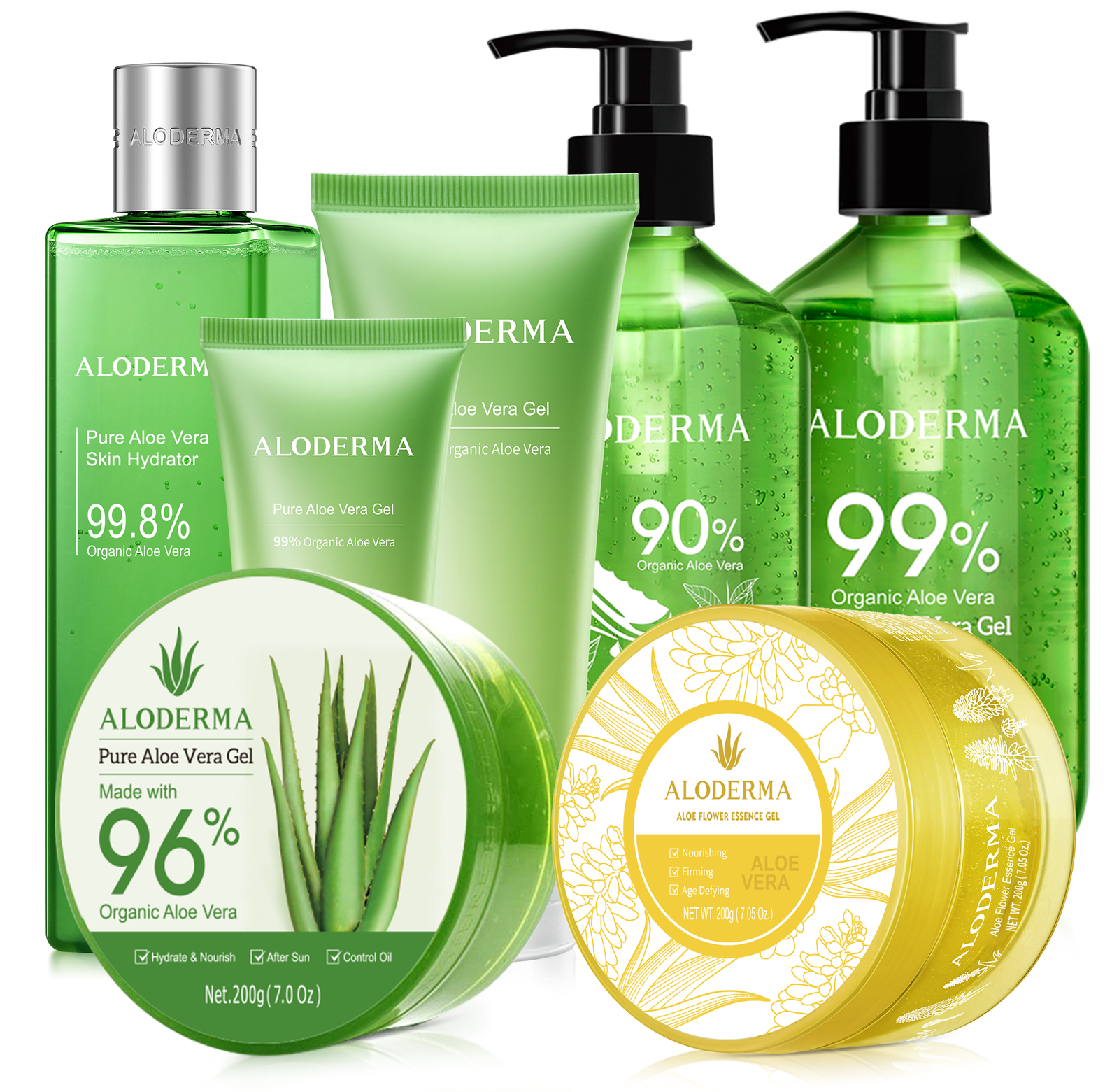
That distinction is part of what makes Aloderma relevant in this conversation. Aloderma grows its own organic aloe vera and processes it on site within 12 hours of harvest, so aloe is not just a small add-on low on the ingredient list. It plays a meaningful role in how the formula feels on reactive skin.
If your skin seems to get angry at everything, a gentler foundation can lower the odds of that familiar sting, redness, and regret. Clearer skin often starts with a product your skin is willing to tolerate.
Decoding Ingredients for Happy Skin
Reading a pimple cream label can feel like trying to judge a meal from the ingredient list alone. A few names do the heavy lifting. The rest determines whether your skin stays comfortable enough to keep using the product.
For sensitive, breakout-prone skin, that second part matters more than many people realize. An effective active in a harsh base can still leave you red, tight, and done with the product after three nights.
One active that often makes sense
Azelaic acid is a strong starting point for many people with reactive skin. A clinical review of azelaic acid describes it as useful for acne while generally being easier to tolerate than more aggressive options. It also works gradually, so visible improvement usually takes consistent use rather than a few dramatic applications.
That slower pace can help sensitive skin. Instead of forcing a fast correction and paying for it with irritation, you give your skin a steadier signal. Less backlash often means better long-term results.
The support ingredients change the experience
A pimple cream is never just its headline active. The base acts like the padding around the treatment. If that padding is hydrating and calming, your skin is more likely to cooperate. If it is loaded with common irritants, even a well-chosen active can feel like too much.
Look for ingredients such as:
- Glycerin for lightweight moisture
- Hyaluronic acid for hydration support
- Ceramides for a more comfortable skin feel
- Aloe vera when you want a fresh, soothing base
If you want more context on why aloe vera can be helpful for sensitive skin, it helps to focus on tolerability. Calmer skin is often more consistent skin, and consistency is what gives gentle actives a fair chance to work.
Ingredient Cheat Sheet for Sensitive, Blemish-Prone Skin
| Look For These (Soothing & Effective) | Approach With Caution (Potential Irritants) |
|---|---|
| Azelaic acid | Fragrance |
| Low-strength salicylic acid | Alcohol-heavy formulas |
| Aloe vera | Sodium lauryl sulfate |
| Glycerin | Very strong active blends introduced too fast |
| Hyaluronic acid | Products that leave skin feeling tight right away |
| Ceramides | Spot treatments used over large areas without testing |
Practical rule: If a product helps with blemishes but makes your whole face feel raw, it is the wrong fit for your skin.
Why aloe quality makes a difference
Not every aloe-based formula gives you the same kind of support. Some products use aloe as a small add-on. Others build the formula around it. That difference can show up quickly on reactive skin.
Aloderma's operational model creates its key difference. The company grows its own organic aloe, processes it onsite, and turns it into finished products soon after harvest. Fresh handling matters because aloe is delicate, and less delay helps preserve the skin-soothing feel people are usually hoping for.
If you are nervous about using any pimple cream at all, this is often the missing piece. A gentle active paired with a fresh, bioactive aloe base can make treatment feel less like a gamble. Instead of choosing between clear skin and calm skin, you give yourself a better chance at both.
Choosing Your Ideal Pimple Cream Formulation
Two products can contain similar kinds of ingredients and feel completely different on your skin. Texture changes the experience. A lot.
Gel, cream, or spot treatment
A gel usually feels lighter and fresher. Many people who get shiny through the T-zone prefer this because it doesn't sit heavily on the skin.
A cream often works better when your skin feels dry, tight, or easily bothered. It gives you a little more cushion, which can help if active ingredients tend to leave your skin uncomfortable.
A targeted spot treatment makes sense when you don't want to treat your whole face. If you only get a few recurring blemishes, this option lets you focus product exactly where you need it.
Match the format to your real-life skin
Here's a simple way to decide:
- Choose a gel if your skin feels oily by midday and rich textures make you nervous.
- Choose a cream if your skin often feels dry after cleansing or after active products.
- Choose a spot formula if most of your skin is calm and only a few areas need extra help.
If pore-clogging is one of your biggest concerns, Aloderma's article on what ingredients clog pores can help you evaluate formulas more confidently.
A practical product example
One option in this category is the Aloderma Skin Clearing Aloe Gel. It's relevant for blemish-prone skin because it uses an aloe-centered format rather than relying on a heavy, drying feel. For some readers, that kind of lightweight base is easier to use consistently than a chalky spot paste or a harsh all-over treatment.
You can also browse supportive aloe-based products by ingredient and skin need on Aloderma's product collection. When you're comparing formulas, pay attention to whether the product is meant for all-over use, spot use, or moisture support. That tells you how it will fit into your routine before you even open it.
The Safe-Start Guide to New Products
The biggest mistake people make with a new pimple cream isn't choosing the wrong ingredient. It's using too much, too soon, on too much skin.
Start with a patch test
Dermatological best practices say you should patch test a new product on a small area for 24 hours before putting it on your full face, and low-strength options such as 0.5 to 2% salicylic acid are often recommended when you're trying to minimize upset, as explained in this sensitive skin acne care guide from a dermatology practice.

A patch test doesn't need to be complicated. Put a tiny amount behind the ear or on the inner forearm. Leave it alone. Check how the area looks and feels over the next day.
If you want a simple walkthrough, Aloderma's article on how to patch test skincare breaks the process down clearly.
Use a slow ramp-up
Once the patch test goes well, resist the urge to apply the product everywhere. Start small and targeted.
- First few uses. Apply to one blemish or one small area only.
- Give your skin a gap. Use it every few days at first instead of jumping to daily use.
- Watch the response. If your skin stays comfortable, increase gradually.
- Keep the rest of the routine plain. Don't add several new products in the same week.
If a product is right for you, you shouldn't have to force your skin to “push through” obvious distress.
What confusion usually looks like
People often wonder whether temporary dryness means the product is working. Not necessarily. A little adjustment can happen when you introduce actives, but strong stinging, widespread discomfort, or a tight shiny look usually means you need less frequency or a different product.
Another common mistake is using the product on skin that is already overworked from exfoliants, scrubs, or fragranced products. If your skin feels vulnerable, simplify first. Then introduce the blemish treatment.
Building Your Gentle Skincare Routine
A sensitive skin pimple cream works better when the rest of your routine stops fighting it. If your cleanser leaves your face feeling stripped and your moisturizer is missing because you're afraid it will clog pores, even a thoughtful treatment can become hard to tolerate.
The moisturizer myth needs to go
A major misconception is that moisturizers clog pores on breakout-prone skin. In reality, dermatologists confirm that using a non-comedogenic, water-based moisturizer twice daily is important to help prevent barrier damage from active treatments, as discussed in this dermatologist video on acne-prone sensitive skin care.
That matters because many people use a pimple treatment, skip moisturizer out of fear, then wonder why their skin feels rough and looks more unsettled. Moisture support isn't optional here. It's part of what helps the routine stay workable.
Some people also prefer a cream texture at night, especially if active products tend to leave them dry. In that case, the Aloderma Aloe Soothing & Moisturizing Cream is another texture option to consider.
Why a fresh aloe routine feels different
Aloderma is a fully vertically integrated aloe vera company. We grow all of our own organic aloe vera and process our aloe vera onsite within 12 hours of harvest, then manufacture onsite as well. That means the aloe used across the line starts fresh and remains central to the formula rather than acting like a decorative ingredient.
As of 2022, all new Aloderma products contain at least 95% naturally derived ingredients, with some formulations reaching up to 99.8% organic ingredients, according to the brand's Pure Aloe Vera Gel product information. For shoppers who care about clean, plant-based skincare, that gives useful context when comparing products.
This short video gives a feel for how an aloe-centered routine can support daily comfort.
What to keep out of the mix
When you're trying to calm down a reactive routine, these are often the first things worth reducing:
- Strong fragrance that makes the routine feel “active” before the treatment even starts
- Alcohol-heavy formulas that flash off fast but leave skin dry
- Too many exfoliating steps layered into the same evening
- Scrubbing a blemish because it feels satisfying in the moment
Your Path to Clearer Calmer Skin
A calmer strategy usually leads to clearer-looking skin. Sensitive skin often behaves like an overactive alarm system. When a pimple treatment is too strong, the breakout may get all the attention, but the surrounding skin pays the price with burning, tightness, or lingering redness.
That is why the goal is tolerance as much as treatment. A sensitive skin pimple cream should help reduce blemishes while keeping the rest of your face comfortable enough to stay consistent. Fresh, bioactive aloe can play an important supporting role here. In a well-made formula, it acts like a soft cushion around active ingredients, helping reactive skin feel less overwhelmed while you work on clogged pores and inflammation.
Give your routine time to speak clearly. Skin usually needs a steady pattern before you can tell whether a product is helping, irritating, or doing too much at once.
Some signs call for outside help. Stop experimenting on your own if a product causes ongoing discomfort, if redness spreads instead of settling, or if you have followed a gentle routine consistently and still see little progress. If you want to explore in-office and physician-guided options, Effective acne solutions can give you a broader sense of what support may be available.
You don't need a dramatic routine. You need one your skin can live with.
The most important takeaway is this: clearer, calmer skin usually comes from a treatment plan your skin can tolerate day after day. Careful actives, a fresh aloe-centered base, and a patient start make that outcome feel much more achievable.
If you want to build a gentler routine around fresh aloe, explore ALODERMA for aloe-based cleansers, gels, moisturizers, and daily essentials designed for skin that prefers comfort and simplicity.