







You shave, rinse, step out of the shower, and then it starts. Your legs feel tight. Your underarms look blotchy. Your bikini line feels prickly even though you just finished. So you try another product labeled “sensitive skin,” then another, then another, and somehow shaving still feels like a chore your skin dreads.
If that sounds familiar, the problem usually isn't that your skin is “too difficult.” It's that many shave products still focus on foam first and comfort second. A more comfortable shave often comes down to a simpler question: what's in the formula, and what does it do when a razor passes over your skin?
The Search for a Comfortable Shave Ends Here
A lot of women end up in the same cycle. You buy a can or tube because the front label sounds gentle. You use it once, maybe twice, and your skin still feels dry or reactive afterward. Then you assume shaving just has to feel that way.
It doesn't.
A better shave starts when you stop shopping by front-label promises alone and start looking at how a product supports the skin during friction. That's the primary job of a good sensitive skin shaving cream for women. It should help the razor glide, reduce drag, and leave skin feeling comfortable instead of stripped.
This isn't a niche concern, either. The women's shaving market was valued at about USD 11.5 billion in 2023 and is projected to reach USD 17.3 billion by 2032, according to Gillette Venus guidance on women's shaving cream and gel. That kind of demand tells you something important. You're not the only person trying to find a shave product that feels better on skin used daily on legs, underarms, and bikini areas.
A comfortable shave usually has less to do with “more foam” and more to do with better slip, smarter ingredients, and gentler aftercare.
Think of shaving as a skin-contact event, not just hair removal. A blade moves across delicate surface layers, especially when skin is wet and softened. If the formula underneath is drying, heavily scented, or built more for dramatic lather than skin comfort, your razor can end up dragging more than gliding.
That's why understanding ingredients changes everything. Once you know what creates cushion and what commonly causes discomfort, the label starts making a lot more sense.
Decoding the Label What Defines a Gentle Shaving Cream
“Sensitive skin” on the front of a bottle doesn't always tell you enough. For shaving, what matters most is whether the formula helps protect comfort while the blade is moving across your skin.

Ingredients that often cause trouble
Many modern sensitive skin shaving creams were developed as a response to ingredients commonly used in traditional formulas, including sodium lauryl sulfate (SLS), synthetic fragrance, and propellants, as explained in Wholly Kaw's discussion of shaving cream for sensitive skin. These ingredients can compromise the skin's moisture barrier, which helps explain why newer gentle formulas often emphasize being sulfate-free and less detergent-heavy.
That matters during shaving because your skin is already dealing with water, friction, and blade contact all at once.
Here are a few label clues that usually deserve a closer look:
- Strong fragrance presence. If a product is heavily perfumed, it may smell nice in the shower but feel less comfortable once the razor starts passing over freshly shaved skin.
- Harsh cleansing agents. Some foaming ingredients clean aggressively, which can leave skin feeling squeaky in the moment and dry later.
- Dyes and extras that don't improve glide. If an ingredient is there mostly for appearance, it may not be helping your shave experience at all.
If you want a broader ingredient-awareness checklist for your routine, ALODERMA's article on ingredients to avoid in skincare is a useful place to compare common red flags.
Ingredients worth looking for
A gentle shave formula usually works by combining water-binding ingredients with fatty, cushiony ingredients that help the blade move more easily.
A simple way to think about it:
| Ingredient family | What it does during shaving | Example feel on skin |
|---|---|---|
| Humectants | Help pull in and hold water | Less tightness, more hydration |
| Emollients | Soften and smooth the surface | Better slip, softer after-feel |
| Botanical soothers | Help skin feel calm and supported | More comfort during and after shaving |
Examples readers often recognize include glycerin, richer plant butters, and aloe-based ingredients.
Practical rule: If a shave product promises sensitivity support, it should do more than foam. It should add slip, hold moisture close to the skin, and avoid unnecessary fragrance.
A good sensitive skin shaving cream for women should feel less like a bubble bath product and more like skincare that happens to support shaving. That shift in thinking helps you shop with a lot more confidence.
Ingredient Spotlight The Power of Fresh Farm-to-Skin Aloe Vera
Aloe vera has been associated with comfort care for so long that it's easy to stop noticing it on a label. But for shaving, aloe earns that attention.
When skin is about to meet a razor, you want two things at once. You need enough water and slip for the blade to move easily, and you need the formula to leave skin feeling replenished afterward. Aloe fits beautifully into that job because it's lightweight, water-rich, and naturally well suited to formulas designed for freshly shaved skin.
Why aloe works so well during shaving
Think about what makes shaving uncomfortable. Usually it's not just the blade itself. It's the combination of drag, dryness, and a formula that disappears too quickly or leaves skin feeling bare.
Aloe can help a formula feel more supportive because it brings a fresh, hydrated feel that pairs well with other gentle shave ingredients. In a shave product or shave alternative, that can translate to:
- More cushion on wet skin, especially on legs and underarms
- A smoother pass for the razor, so you're less tempted to keep going over the same area
- A softer finish afterward, instead of that dry, just-stripped feeling
Not all aloe is the same
Many readers get confused here. They assume all aloe on an ingredient list performs the same way. It doesn't.
Some products use heavily processed aloe forms, powders, or small amounts added low on the list. That's different from formulas built around aloe as a primary ingredient. Freshness also matters. The closer aloe stays to its natural state during processing, the more sense it makes to think of it as an active part of the formula rather than decoration.
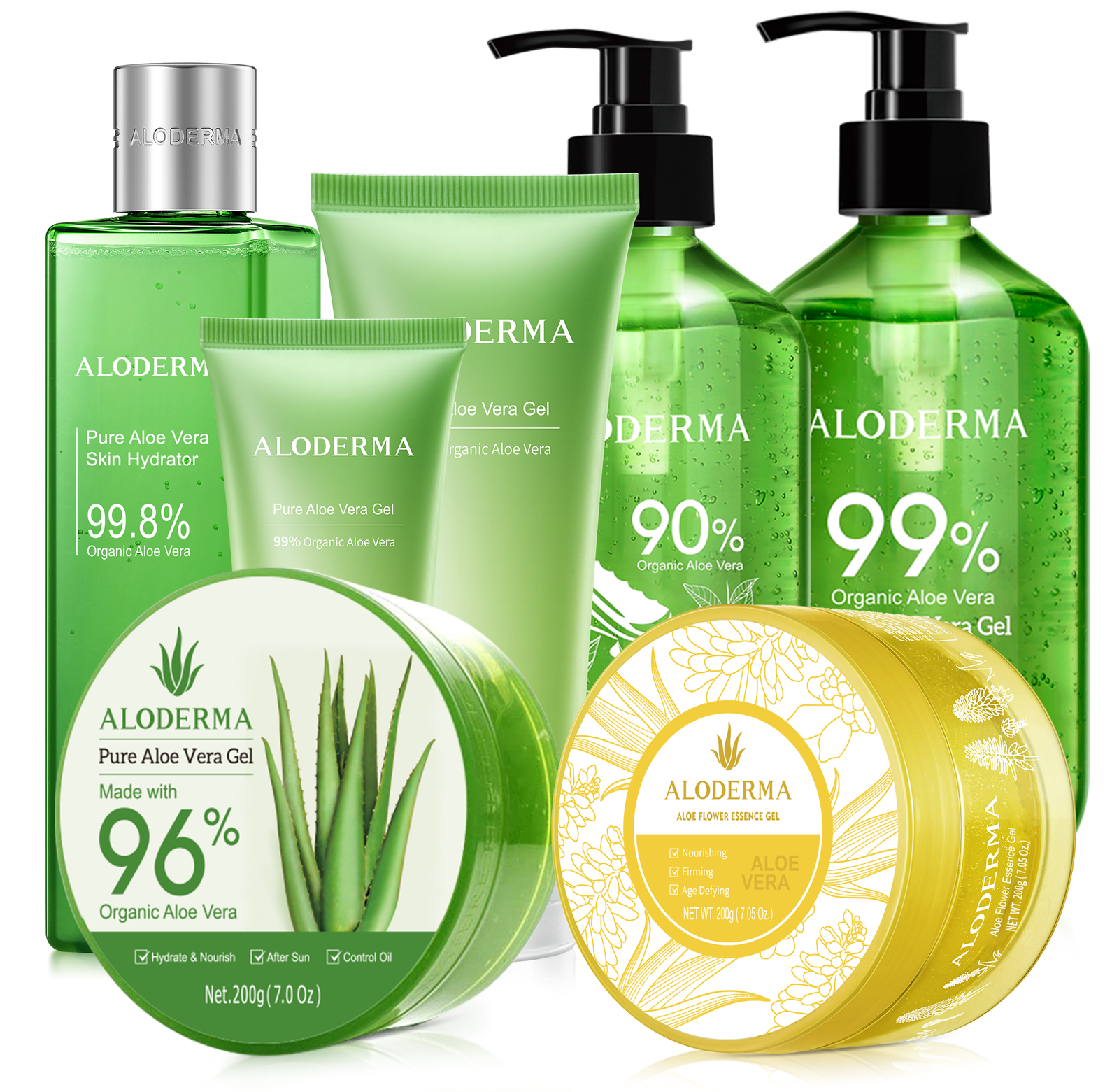
That's why ALODERMA's model stands out. The company is fully vertically integrated, grows its own organic aloe vera, and processes and manufactures onsite within 12 hours of harvest so the aloe used across the line remains as bioactive and effective as possible. For someone shopping for a sensitive skin shaving cream for women, that farm-to-skin approach matters because the soothing botanical at the center of the formula isn't an afterthought.
Fresh botanicals change the standard
A shave formula doesn't need to be flashy to work well. In fact, the gentlest options often feel understated. What you're really looking for is comfort, slip, and ingredients that leave your skin feeling supported after rinsing.
Fresh aloe helps set that standard because it speaks to both experience and formulation philosophy. It's not just there to sound calming on packaging. In a well-designed product, it helps create a shave that feels more forgiving.
If you want a deeper look at why aloe shows up so often in comfort-focused routines, ALODERMA's guide on how to use aloe vera for skin offers a helpful overview of the ingredient's day-to-day role in gentle care.
Fresh aloe makes the biggest difference when it's not buried in the formula. You want it to be part of the product's structure, not just part of its story.
That's the shift many women notice when they move from generic foams to skincare-minded shave products. The shave feels less harsh, and their skin doesn't seem like it needs to recover afterward.
Your Guide to Choosing and Using a Shaving Product
A good shave starts before the razor touches your skin. The product you choose affects glide, comfort, and how your skin feels an hour later. The technique you use determines whether that product can do its job.
How to read the label like a careful shopper
Technically, a high-quality sensitive skin formula prioritizes low-irritancy ingredients. As one major-market example, Gillette Venus Satin Care Ultra Sensitive is described as dye-free and built on humectants and emollients such as glycerin, palmitic acid, and stearic acid to improve glide and reduce mechanical abrasion on the skin.
That gives you a useful framework when you shop.
Look for signs that a formula is built for shaving comfort, not just foam volume:
- A supportive base. Ingredients like glycerin and fatty acids suggest the product is trying to create glide and cushion.
- A lower-stress profile. Dye-free and fragrance-controlled formulas are often worth prioritizing if your skin gets uncomfortable easily.
- A skin-first ingredient list. If aloe appears high on the list, that often tells you the formula is using it meaningfully rather than symbolically.
One practical option is ALODERMA Aloe Soothing & Moisturizing Cleanser. It isn't marketed as a traditional shaving cream, but it can function as a gentle shaving alternative because it offers a soft cleanse with aloe-rich slip. For post-shave care, many readers also like to follow with a pure aloe gel texture to help skin feel hydrated and calm.
A simple shave routine for sensitive skin
If your current routine feels rushed, small changes make a visible difference.
-
Start with warm water
Let the area get fully wet first. This softens hair and helps the shave product spread more evenly. -
Apply enough product to create slip
Don't use a tiny amount and hope for the best. You want a visible, even layer so the razor glides across product, not directly across bare skin. -
Use a clean, sharp razor
If the blade tugs, drags, or skips, replace it. A dull blade often leads to repeated passes, and repeated passes are where discomfort builds fast. -
Shave with the grain first
This is especially helpful on underarms and the bikini area, where skin can feel less forgiving. -
Rinse with cool water
Cool water helps remove residue and leaves skin feeling fresher after the shave.
For a visual walk-through, this short tutorial is a useful companion while you refine your technique:
Small adjustments that help a lot
Here are the habits that often make the biggest difference over time:
- Use light pressure. Let the blade do the cutting.
- Work in sections. Knees, ankles, and curves respond better when you slow down.
- Don't chase perfection. If one pass gets you smooth enough, stop there.
- Add aftercare immediately. Freshly shaved skin usually prefers hydration right away.
If your shave product leaves skin feeling clean but not comfortable, it's probably cleansing too hard for the job.
A sensitive skin shaving cream for women should help the shave feel easier while also reducing that post-shower tightness many people assume is normal.
Shop Smart Sustainable and Skin-Conscious Choices
A shave product touches your skin for only a short time, but the way it's made says a lot about the brand behind it. If you care about comfort, it makes sense to care about the bigger picture too.
What thoughtful shopping looks like
A skin-conscious choice often starts with simple questions:
- Is the packaging practical? Non-aerosol options can feel easier to control and align better with a simpler routine.
- Does the brand explain its ingredients clearly? Transparency matters when your skin is reactive to unnecessary extras.
- Is there a real sourcing story behind the botanicals? A brand that grows, processes, and formulates with intention usually gives you a clearer sense of what you're putting on your skin.
That's one reason many ingredient-focused shoppers gravitate toward farm-based brands. There's less mystery when a company can explain where its core botanical comes from and how quickly it moves from harvest to formula.
Clean habits and clean product choices often go together
People who rethink shaving products often start rethinking other daily staples too. If you're in that stage, this guide to healthier living offers a useful mindset for building a cleaner product routine without making everything feel complicated.
For beauty-specific inspiration, ALODERMA's article on clean beauty brands is a helpful read if you want to compare values like plant-based formulas, transparent sourcing, and everyday wearability.
When you choose products from brands with organic farming, cruelty-free standards, and a direct farm-to-skin process, you're doing more than buying a shave aid. You're choosing a routine that reflects how you want skincare to feel: simple, thoughtful, and easier on your skin.
If you prefer convenience, products from aloe-focused brands are typically available both through brand websites and major marketplaces such as Amazon, which makes it easier to stay consistent once you find a routine that works.
Common Questions About Shaving Sensitive Skin
A few questions come up again and again, especially when someone is trying to replace a frustrating routine with one that feels comfortable.
Can I use regular soap to shave
You can, but it usually isn't the most comfortable choice. Regular soap often cleans more aggressively than a shave product needs to, and it may not provide enough cushion for the razor. The result can be a shave that feels fine for a minute and then leaves skin dry or tight afterward.
A product designed with glide in mind is usually the better fit.
How do I minimize bumps around the bikini line
Start with warm water, plenty of shave product, and a clean razor. Shave with the grain first, use short strokes, and avoid going over the same area too many times. After shaving, apply a simple hydrating product right away so the area doesn't feel stripped.
Less pressure, fewer repeat passes, and immediate hydration usually do more than any complicated hack.
Is unscented the same as fragrance-free
Not always. This is one of the biggest label misunderstandings.
Fragrance-free generally means no fragrance has been added. Unscented can still mean masking ingredients were used so the product doesn't smell strongly. If your skin gets uncomfortable easily, fragrance-free is usually the safer phrase to look for.
What if shaving cream always feels heavy on my skin
Then a gentle cleanser or aloe-based shave alternative may suit you better than a dense foam. Some women prefer formulas that rinse clean but still leave enough slip for shaving, especially on legs and underarms.
Should I shave every day if my skin feels stressed
If your skin feels uncomfortable after shaving, it can help to give it a break and focus on hydration before your next session. Smooth skin isn't worth pushing through a routine your skin clearly dislikes.
The goal isn't the closest possible shave at all costs. It's a shave your skin can handle comfortably and consistently.
If you want a simpler routine built around fresh aloe, ALODERMA is worth exploring. The brand's farm-to-skin approach centers on organic aloe vera grown on its own farms and processed onsite within 12 hours of harvest, which makes it a strong fit for readers looking for gentle, aloe-first daily care.