



You pick up a bottle, turn it over, and hit the same wall again. A long ingredient list. Big promises. No clear answer to the question you care about: will this feel gentle, simple, and safe on your skin?
That moment is why so many people return to familiar plant ingredients. Sweet organic almond oil keeps coming up because it feels understandable. It comes from an edible almond variety, it has a long history in skin care, and it does one job well. It helps skin feel softer, more comfortable, and less tight without the heavy feel many people expect from oils.
It is also having a modern moment. Sweet almond oil holds about 78% of the global almond oil market, and the market was valued at USD 1.66 billion in 2025 with a projection of USD 4.95 billion by 2034 according to Fortune Business Insights. That growth reflects something many shoppers already feel. People want fewer mystery ingredients and more recognizable ones.
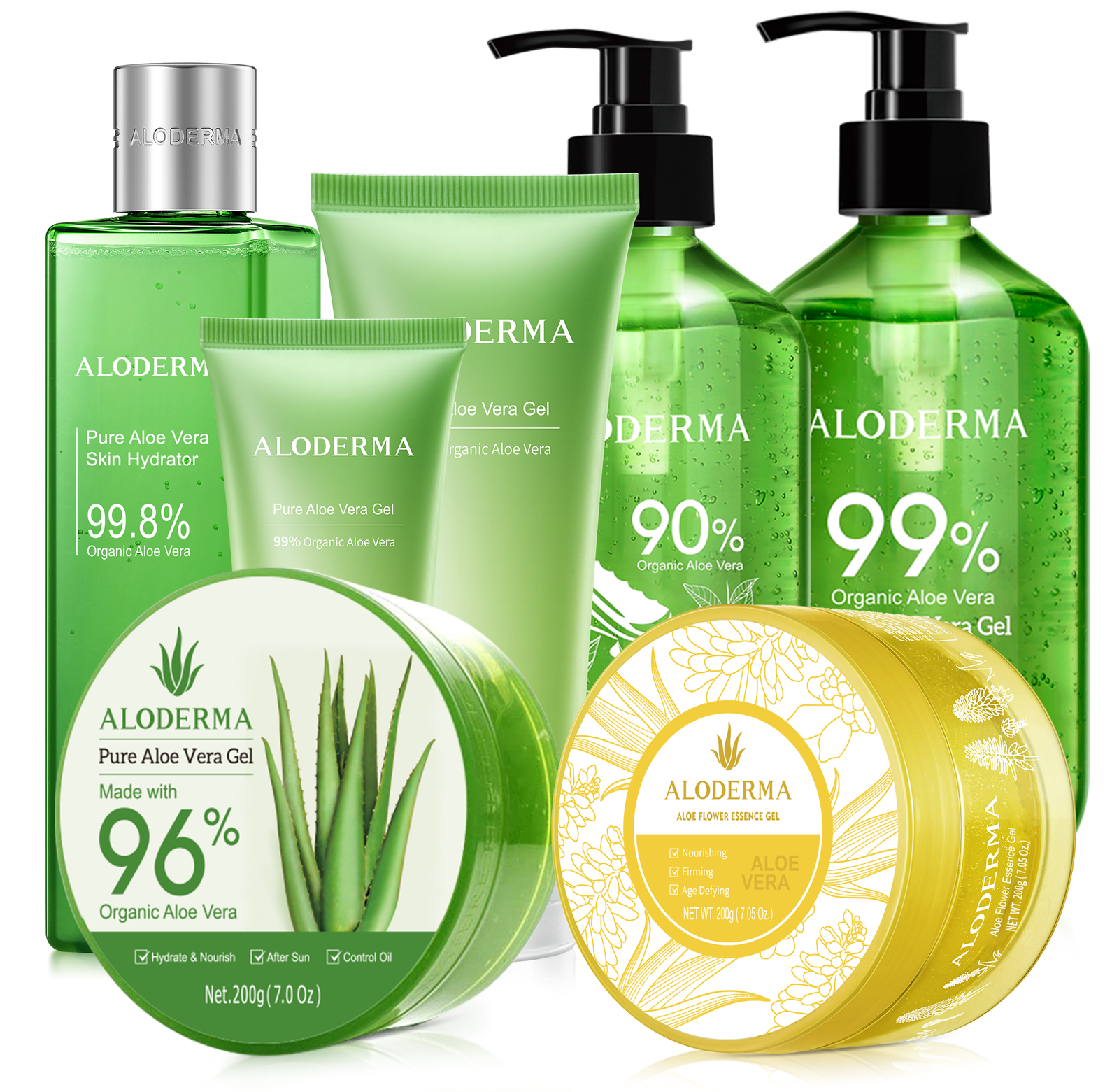
At ALODERMA, we understand that instinct. We are a fully vertically integrated aloe vera company. We grow all of our own organic aloe vera, then process it and manufacture onsite within 12 hours of harvest so the primary ingredient in every product stays as bioactive and effective as possible. That same respect for freshness and purity is why sweet organic almond oil deserves a closer look.
Your Journey to Natural Radiance Starts Here
By midday, your forehead looks shiny. After cleansing, your cheeks feel tight. Then one richer product leaves your skin looking congested, and you start to wonder whether oils belong anywhere near your face.
That question is more common than it sounds, especially for people with sensitive, oily, or blemish-prone skin. Many guides talk about plant oils as if they are only for dryness. Real skin is more mixed than that. It can produce excess oil and still feel dehydrated, reactive, or uncomfortable.
Sweet organic almond oil often enters the conversation because it feels familiar and easy to understand. In skin care, that matters. A simple ingredient can be easier to use well than a long formula you do not recognize. The key is not using a lot of oil. The key is using the right amount, in the right context, with ingredients that help it sit well on the skin.
A gentle oil can feel light or rich depending on the formula around it. The amount you apply matters. The ingredients you pair with it matter too.
That pairing is where this topic gets interesting. Sweet organic almond oil can help soften and cushion the skin surface, while fresh aloe vera adds water-based hydration and a cooling, weightless feel. They do different jobs, much like a moisturizer and a glass of water support comfort in different ways. For skin that gets shiny, easily irritated, or prone to breakouts, that balance is often more useful than oil alone.
Organic quality matters here too, because ingredient handling affects how confident people feel about what they are putting on reactive skin. If you want a plain-English explanation of what certified organic means, it helps clarify why many shoppers look for cleaner agricultural and processing standards. We share that same respect for purity in our own approach to USDA organic beauty products, where fresh aloe vera is grown, harvested, and used with care to preserve its natural activity.
Sweet organic almond oil is simple, but it is not one-note. Used thoughtfully, especially alongside fresh, bioactive aloe vera, it can support skin that wants comfort without heaviness.
Decoding Sweet Organic Almond Oil
The first confusion is basic but important. Sweet almond oil is not the same as bitter almond oil.
Think of them as relatives, not twins. Sweet almond oil comes from the edible almond variety used for food and skin care. Bitter almond oil is a different material associated more with fragrance applications than everyday facial use.
What organic means on a label
Organic is not just a marketing mood. It usually signals standards around farming and processing. For many shoppers, that means fewer worries about unnecessary agricultural inputs and more confidence in ingredient purity.
If you want a plain-English overview of what certified organic means, that guide is useful because it breaks down why certification matters beyond the front label.
For skin care, organic also helps narrow your search. It encourages you to look for a cleaner ingredient chain, especially when the product is something as simple as a single botanical oil. If this topic interests you, ALODERMA also shares a helpful perspective on USDA organic beauty products.
Why cold-pressed and organic often go together
The best sweet organic almond oil products are usually cold-pressed. That means the oil is extracted without the kind of harsh heat that can strip away some of the qualities people want in a plant oil.
A simple comparison helps. Fresh juice tastes different from juice that has been heavily processed. Plant oils work in a similar way. A gentler extraction method helps preserve the oil’s natural character, including its feel, scent, and useful skin-supporting components.
Here is the practical takeaway when you read a label:
- Look for the full name: Sweet almond oil should be clearly identified, not hidden behind vague fragrance wording.
- Check for organic certification: This adds confidence about sourcing and standards.
- Prefer cold-pressed or unrefined wording: These terms often signal a gentler extraction process.
- Keep the ingredient list short: In a single-ingredient oil, simplicity is a strength.
That clarity matters, especially if your skin gets overwhelmed easily. The fewer surprises in the bottle, the easier it is to understand what your skin is responding to.
The Gentle Science of How Almond Oil Nurtures Skin
Sweet organic almond oil sounds simple, but its chemistry explains why it feels so comfortable on skin. The key is its fat profile.
According to a review published in the National Library of Medicine, sweet almond oil is rich in oleic acid at 56.64 to 64.03% and linoleic acid at 24.57 to 29.80%, and a tablespoon provides 26% of the recommended daily intake for vitamin E (PMC). Those numbers matter because they help explain the oil’s texture and its skin feel.

Oleic acid and linoleic acid in simple terms
Your skin barrier is often described as a brick wall. The skin cells are the bricks. The lipids around them act like mortar.
Sweet organic almond oil contains fatty acids that help support that mortar-like layer. That does not mean the oil rebuilds your skin overnight. It means it can help skin feel less stripped and more cushioned, especially when dryness leaves your face feeling rough or uncomfortable.
- Oleic acid: This is the richer, softening part of the oil. It helps skin feel supple and less tight.
- Linoleic acid: This supports a balanced feel and helps the oil feel less suffocating than heavier options.
- Unsaturated fat profile: This contributes to the fluid, spreadable texture that many people enjoy in facial oils.
If your skin has ever felt papery after cleansing, that is where sweet almond oil can make sense. It sits on the skin in a comforting way and helps reduce that dry, over-washed feeling.
Why vitamin E matters
Vitamin E is one of the reasons almond oil has such a reassuring reputation. It is known as an antioxidant, which means it helps defend against everyday environmental stress.
In plain language, that means support. Not drama. Not a harsh active that pushes skin hard. Support for skin that is dealing with daily exposure to sun, city air, over-cleansing, or a routine that has become too aggressive.
If your skin is sending mixed signals, oily in one area and dehydrated in another, support ingredients often work better than forceful ones.
That is why sweet organic almond oil fits into calm, steady routines. It is not a “strong treatment” ingredient. It is a comfort ingredient with useful structure behind it.
Why the texture feels easy to wear
Some oils sit like a blanket. Sweet almond oil usually feels more like a light layer.
Its composition helps it spread easily, which is why a few drops can cover more skin than people expect. This is also why it works well as a blending oil. You can mix a small amount into a gel or cream and change the feel of the whole product without making it greasy.
That versatility is one reason it stays relevant. A single ingredient can serve several roles:
- As a facial oil: for dry or tight areas
- As a mixing oil: to enrich a gel moisturizer
- As a body oil: after bathing, when skin is still slightly damp
- As a cleansing helper: to loosen makeup or sunscreen before your regular cleanser
The science behind sweet organic almond oil is gentle, not flashy. That is part of its appeal. It does not try to shock your skin into looking better. It helps your skin hold on to comfort.
Is Almond Oil a Friend to Sensitive and Oily Skin
You cleanse carefully at night, but your skin still feels shiny on the surface and tight underneath. That combination is common, especially in sensitive, blemish-prone skin. Shine does not always mean your skin has enough water, and it does not always mean every oil is automatically a bad fit.
Sweet organic almond oil can work for some oily and reactive skin types because texture, amount, and pairing matter more than the word oil alone. It is usually better treated as a supporting ingredient than a heavy final layer.
What pore-clogging risk really means
You may have seen oils described as comedogenic or non-comedogenic. That language can sound more absolute than it is.
A comedogenicity rating is only a rough guide. It gives you a starting point, not a guarantee. Sweet almond oil is often considered a lower to moderate risk option compared with heavier oils, which is why some people tolerate it well in small amounts. Still, skin that clogs easily may prefer a lighter hand.
Application changes the outcome. One drop mixed into a gel moisturizer behaves very differently from a thick coat of oil pressed over the whole face.
Why oily skin may still benefit from a little oil
Oily skin can also be dehydrated. A simple way to picture it is this: oil and water are not the same job. Sebum helps lubricate. Water helps keep skin feeling comfortable and flexible.
When skin is repeatedly stripped with strong cleansers or acne products, it can become irritated and dehydrated. Then the surface may look greasy while the skin barrier feels unsettled. In that situation, a very small amount of almond oil can help soften that tight, overworked feeling.
The better approach is balance, not overload. Pairing a tiny amount of sweet organic almond oil with fresh aloe vera is especially useful here. Aloe delivers light, water-based hydration. Almond oil helps slow that moisture loss and cushions the skin barrier. For sensitive, oily, and blemish-prone skin, that pairing often makes more sense than using oil alone.
If you want to place oils in a bigger balancing routine, our guide to best ingredients for oily skin can help.
Sensitive skin usually does better with fewer moving parts
Reactive skin often responds well to simple formulas and careful testing. Sweet organic almond oil has an advantage here because it is easy to understand. A pure bottle gives you one main ingredient to evaluate, not a long chain of possible triggers.
Fresh aloe vera adds another layer of support without making the routine feel heavy. It hydrates in a light, breathable way, which is helpful for skin that gets red, shiny, and uncomfortable at the same time.
For reactive skin, the best starting point is mixing one drop into a bland, lightweight hydrator.
That method lowers the chance of overdoing it and helps you see how your skin responds.
Some acne-prone users do better with micro-amounts than with generous use. Dose matters. So does placement. You may find that almond oil works well only on drier zones, or only a few nights a week, especially when paired with an aloe-based gel instead of a rich cream.
A careful trial keeps things clear:
- Patch test first.
- Start at night.
- Use one drop, not a full layer.
- Mix it into a lightweight gel or simple moisturizer.
- Watch for comfort, congestion, or increased shine over several uses.
For many people, the main problem is not oil itself. It is using too much, using it too often, or using it without enough lightweight hydration underneath.
Choosing and Protecting Your Perfect Bottle of Oil
You bring home a new bottle of sweet organic almond oil, use it twice, and then forget it on a sunny bathroom shelf. A month later, the oil may still look fine, but plant oils change when they sit in heat, light, and air.
That is why choosing well and storing well belong together. A good bottle starts with clean sourcing, then stays useful because you protect it.
What to look for on the label
A clear label usually signals a clearer product. If the front sounds impressive but the ingredient list feels vague, keep looking.
Here are the details that matter most:
- Sweet almond oil clearly identified: You want sweet almond oil for skincare, not a loosely described almond blend.
- Organic certification: This gives you more confidence in how the almonds were grown and handled.
- Cold-pressed: Lower-heat extraction helps preserve the oil’s natural fatty acids and skin-softening character.
- A short ingredient list: One-ingredient oils are easier to evaluate, especially for sensitive or blemish-prone skin.
Cold-pressed oil works a bit like fresh aloe vera. Gentler handling helps keep more of the ingredient’s original character intact. That does not make it automatically better for every person, but it does make the product easier to understand.
For oily or reactive skin, simple matters. If you are pairing almond oil with a fresh aloe gel, a straightforward formula helps you tell what your skin is responding to.
Why storage affects quality
Sweet organic almond oil is rich in skin-friendly lipids, but those same lipids are sensitive to their environment. Light, warmth, oxygen, and repeated contamination can gradually make the oil less fresh.
A dark bottle helps block light. A tight cap limits air exposure. Clean hands or a dropper reduce the chance of introducing water or debris into the bottle.
Storage is easier if you use the same logic you would use for produce. Fresh ingredients last longer when you keep them cool, protected, and clean. The same care behind ALODERMA’s advice on how to store fresh aloe vera properly applies here too.
A few habits make a real difference:
- Store it away from direct sun: Light speeds up breakdown.
- Skip the hottest spot in the bathroom: Heat and steam are not ideal for oils.
- Close the cap right away: Less contact with air helps preserve freshness.
- Avoid touching the bottle opening: Cleaner use helps the oil stay fresher over time.
If your skin is sensitive, oily, or prone to breakouts, freshness matters even more. You want the oil to behave predictably when you mix a drop with aloe or press a small amount onto dry areas. Old, poorly stored oil is less likely to give you that consistent experience.
A quick buyer checklist
| Check | Why it matters |
|---|---|
| Organic certification | Adds confidence in sourcing and handling |
| Cold-pressed wording | Suggests gentler processing |
| Dark bottle | Helps protect the oil from light |
| Short ingredient list | Keeps the formula easier to evaluate |
The best bottle is usually the clearest one. Choose oil that is simple, fresh, and easy to protect, especially if you plan to pair it with bioactive aloe vera for skin that needs hydration without heaviness.
How to Weave Almond Oil into Your ALODERMA Routine
Your skin may feel shiny by noon, tight after cleansing, and irritated when a cream feels too rich. That mix can make facial oils seem like the wrong choice.
Sweet organic almond oil often works better when you use it with intention. It can loosen makeup, soften dry patches, and add comfort at the end of a routine. Paired with aloe vera, it can also become a lighter step that makes more sense for sensitive, oily, or blemish-prone skin than almond oil alone.
A short demo can help you see where it fits.
Start with the simplest uses
Begin small. Skin usually gives clearer feedback when you change one thing at a time.
- As a makeup loosener: Massage a small amount onto dry skin, then remove with a soft damp cloth before your regular cleanser.
- As a finishing oil: Press a drop onto areas that feel tight, especially around the cheeks.
- As a body softener: Apply to damp skin after showering, especially where skin feels rough.
These methods keep the amount low, which is helpful if you are still learning how your skin responds.
The overlooked pairing with fresh aloe vera
The more interesting use is the pairing with aloe vera. Almond oil brings softness and helps slow moisture loss. Aloe brings water, slip, and a cooling feel. Used together, they behave less like a heavy oil layer and more like a light cushion for the skin.
That balance matters for skin that is reactive or combination. Sensitive skin often dislikes friction. Oily skin often dislikes heavy occlusion. Blemish-prone skin often does best with lighter textures and careful dosing. A small amount of almond oil mixed into aloe can meet all three concerns more gracefully than using the oil straight.
Mountain Rose Herbs notes that pairing sweet almond oil with fresh aloe vera is an underexplored approach, especially for sensitive or oily skin, and shares practical blend guidance such as 5 to 10% oil in a 95% aloe gel for a lighter feel (Mountain Rose Herbs).
Why aloe changes the feel
Texture is the key. Oil on its own can linger. Gel on its own can disappear quickly. Combining a small amount of sweet organic almond oil with fresh aloe can create a balanced texture that is neither too rich nor too fleeting.
Aloe works like the water phase in a simple skin recipe. Almond oil works like the comfort phase. One gives immediate refreshment. The other helps the skin feel supple for longer. If your forehead gets shiny but the corners of your mouth feel dry, that split personality in your skin often responds well to this kind of layered balance.
Practical ways to use the pairing
Try these routine ideas:
A light evening hydrator
Use a dollop of ALODERMA Pure Aloe Vera Gel in your palm and add a very small amount of sweet organic almond oil. Mix between your fingertips, then press it into the skin.
This approach often feels easier for people who find straight facial oils too coating.
A comfort step after cleansing
If your face feels tight after washing, apply aloe vera gel first. Then press one or two drops of almond oil onto the driest zones only.
This spot-focused method suits combination skin well because it gives extra comfort where needed without covering the whole face.
A body care shortcut
Blend aloe gel and almond oil in your hand right after bathing. The aloe keeps the texture light and fresh. The oil helps rough areas stay comfortable longer.
Ready-made formulas can also do the work for you
Blending in your palm is useful, but not everyone wants to play formulator at the sink. A finished moisturizer can give you the same idea in a more even texture.
ALODERMA Aloe Firming & Rejuvenating Cream is one example of how fresh aloe and nourishing oils can sit in the same formula without feeling overly heavy. If you prefer fewer steps, a cream like this can offer the same softened, hydrated feel with less guesswork.
A simple approach for oily or blemish-prone skin
Keep the method restrained and observant.
- Cleanse gently.
- Apply aloe gel first.
- Add only a tiny amount of almond oil, or blend it directly into the gel.
- Try it at night before using it during the day.
This order helps for a simple reason. Aloe spreads easily and creates a light base. Almond oil then acts more like a finishing touch than a full coating.
If you are also curious about oral uses for oils, product type matters and topical skin oils are a separate topic from oil pulling routines. For that question, see what oil is best for oil pulling.
Your Questions on Almond Oil Answered
Can I use sweet organic almond oil around the eyes?
Often, yes. A very small amount can help the orbital area feel more comfortable because sweet organic almond oil has a soft, cushiony slip that spreads easily without much rubbing.
The key is placement and amount. Keep it on the orbital bone rather than close to the lash line, and patch test first. The skin around the eyes is thinner and tends to react faster, so one drop is usually plenty.
Is it suitable for hair and scalp?
It can be. Sweet organic almond oil is often used to smooth dry ends, soften the feel of the scalp, and reduce that rough, straw-like texture hair can get after washing or heat styling.
Start small. Hair shows excess oil quickly, especially fine hair, so a few drops on the ends or a light pre-wash scalp massage usually works better than a heavy leave-in layer.
How is it different from coconut oil or jojoba oil?
The difference is mostly about texture and how the skin experiences that texture.
Coconut oil often feels richer and more occlusive. Jojoba tends to feel lighter and a bit more dry-touch because it behaves more like a liquid wax. Sweet organic almond oil sits between them. It gives more cushion than jojoba, but usually feels less heavy than coconut oil. For skin that wants comfort without a coated feeling, that middle-ground texture can be very useful.
Can it be used during pregnancy?
Many people prefer simple plant oils during pregnancy because the ingredient list is easy to understand. Still, personal medical guidance comes first.
If you are pregnant, nursing, or treating a skin concern, check with your clinician before adding a new product. That is the safest way to match your skincare choices to your health needs.
What if I have blemish-prone skin?
Use it carefully and observe how your skin responds over several uses, not just one night. Blemish-prone skin is often misunderstood. It may produce excess oil on the surface while still feeling dehydrated underneath.
That is one reason almond oil and fresh aloe can work well together for some people. Aloe gives water-based hydration and a light, cooling feel. Almond oil helps reduce moisture loss so skin does not feel tight and overcorrect by producing more oil. Start with a tiny amount mixed into aloe rather than applying the oil alone.
Can I ingest it or use it for oil pulling?
This article covers topical use. For oral wellness, choosing the right oil is a different topic, as explained in what oil is best for oil pulling. A cosmetic oil should only be used on skin unless it is clearly sold and labeled for oral use.
What is the biggest mistake people make with almond oil?
Using too much is the most common problem.
Oil works a bit like seasoning in cooking. The right amount brings balance, but too much overwhelms everything else. A few drops can soften and seal in comfort. A thick layer can leave oily or combination skin feeling congested, shiny, or overdone.