



It’s a frustratingly common story: you’re excited to try a new moisturizer or foundation, hoping for that perfect, smooth glow, only to see new bumps and blemishes pop up a week later. It's easy to blame your diet or hormones, but more often than not, the real culprit is hiding in plain sight on the ingredient list.
The Hidden Culprits Behind Clogged Pores
The simple answer to what ingredients clog pores often comes down to certain heavy oils, butters, and waxes. Think Coconut Oil, Cocoa Butter, and even some synthetic ingredients like Ethylhexyl Palmitate. When they get into your pores, they can create blockages that lead to congestion and an uneven skin texture.
The technical term for this is comedogenicity, which is really just a fancy way of talking about how likely an ingredient is to block your pores.
Imagine your pores are tiny pathways that let your skin's natural oil (sebum) and dead skin cells out. When everything is flowing smoothly, your skin stays clear. But some ingredients act like a roadblock, causing a pile-up of oil and debris. This trapped gunk is what we see as a clogged pore, which can quickly turn into those little bumps, blackheads, and an uneven texture.
Why Even 'Natural' Can Be a Problem
One of the biggest myths in skincare is that "natural" or "organic" automatically means an ingredient won't clog your pores. It’s a moment of pure frustration when you switch to a "clean" routine only to find your skin isn't improving. The truth is, some of the most popular natural ingredients are surprisingly comedogenic for many people. Coconut oil, for instance, is a beloved natural moisturizer, but it’s notorious for causing congestion in blemish-prone skin types.
This is where the entire product formulation matters so much. A product is far more than just a single ingredient; it’s a complex recipe where concentrations and combinations make all the difference. Still, knowing the potential culprits empowers you to read labels and make smarter choices for your skin.
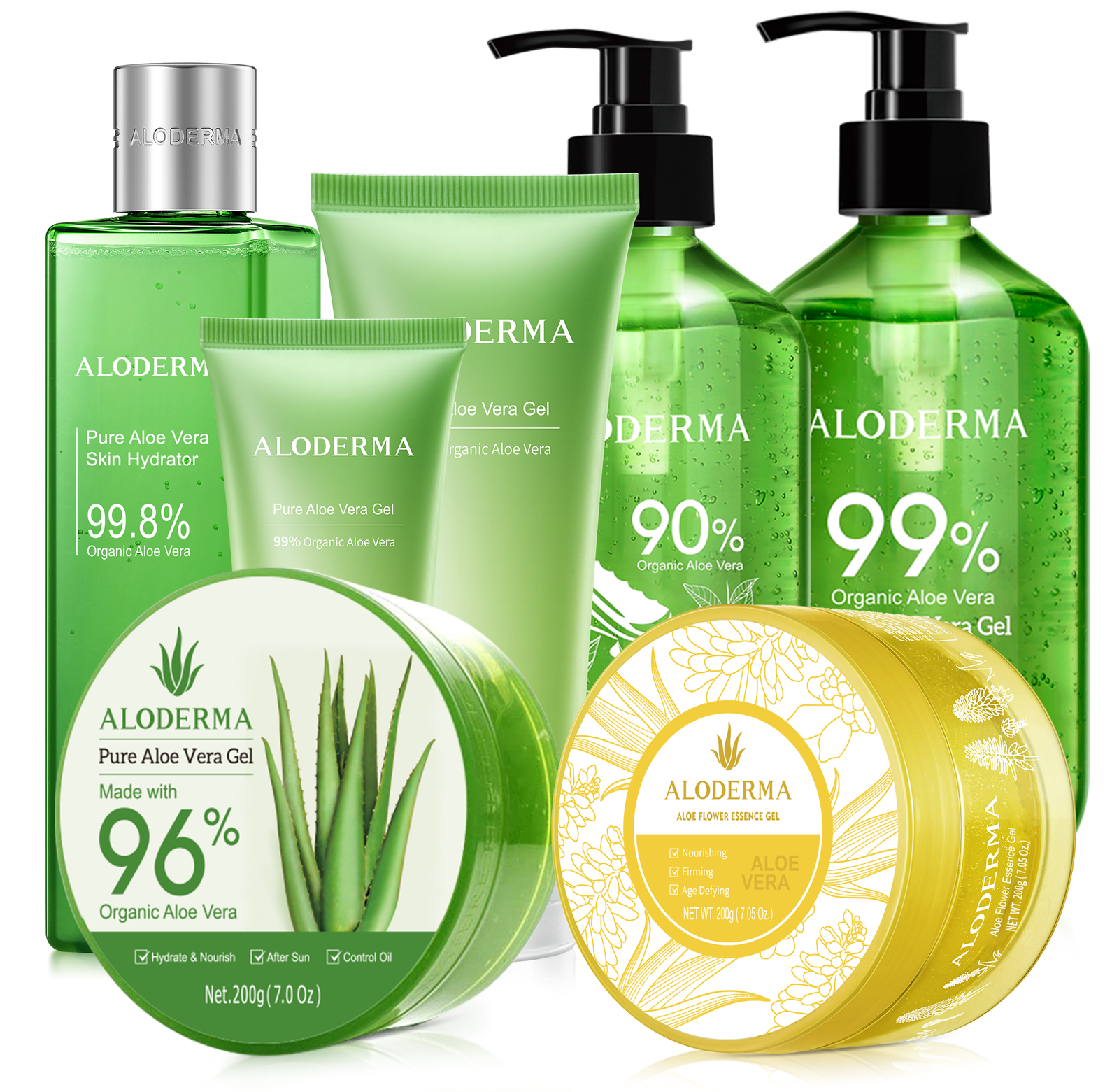
It’s exactly why at Aloderma, we are so particular about the ingredients we choose. As a fully vertically integrated aloe vera company, we grow all of our own organic aloe vera. We process our aloe vera and manufacture onsite within 12 hours of harvest to ensure the primary ingredient found in every one of our products, like our lightweight Aloe Clearing Moisturizer, is the most bioactive and effective aloe vera possible, delivering soothing hydration without the risk of clogged pores.
Decoding The Comedogenic Scale
To figure out what ingredients might clog your pores, the skincare world uses something called the comedogenic scale. It’s a simple system that rates ingredients from 0 to 5 based on how likely they are to cause those pesky blockages. A rating of 0 means an ingredient is considered non-comedogenic (it won't clog pores), while a 5 means it has a very high chance of causing trouble.
Think of it as a weather forecast for your skin. A 0 is a bright, sunny day with zero chance of rain. A 5 is a severe thunderstorm warning. While this scale is a great place to start, it's definitely not a simple "good vs. bad" list.
Context Is Everything
It's easy to see a number higher than zero and immediately want to banish an ingredient from your bathroom cabinet. But here’s a little secret most people don't realize: the final formula and the concentration of an ingredient matter just as much as its rating.
Imagine you're baking a cake. A pinch of salt brings out all the other flavors, but a whole cup would make it inedible. Skincare works the same way. An ingredient with a rating of 2 or 3 might be totally fine if it’s way down at the end of an ingredient list, meaning there’s just a tiny amount of it. But if that same ingredient is one of the first five, it makes up a much bigger piece of the pie and could be a problem, especially for oily or blemish-prone skin.
It’s a common mistake to avoid any ingredient with a non-zero rating. The key is to look at the whole picture: the ingredient's concentration, the overall formula, and how your own skin feels.
Your Skin Type Matters Most
Ultimately, how your unique skin reacts is the only test that truly counts. An ingredient rated a 2, like certain forms of Cetearyl Alcohol, might feel wonderfully hydrating for someone with very dry skin but could spell congestion for someone with an oily T-zone. Your skin has its own personality, and what’s a holy grail for one person can be a nightmare for another. This is the personal journey of skincare that we all experience.
This is where understanding your own skin and trusting brands with a philosophy of gentle, thoughtful formulation becomes so important. At Aloderma, we are a fully vertically integrated aloe vera company. We grow all of our own organic aloe vera and process it and manufacture onsite within 12 hours of harvest. This guarantees the primary ingredient found in every one of our products is the most bioactive and effective aloe vera possible—which proudly holds a comedogenic rating of 0.
For instance, our Aloe Firming & Rejuvenating Cream is built on this foundation of fresh aloe. It delivers rich moisture without that heavy, pore-clogging feeling you can get from formulas that rely on high-risk butters and oils. By starting with a clean, non-comedogenic base, we help you build a routine that feels both deeply nourishing and completely safe for your pores.
Common Pore-Clogging Ingredients To Watch For
Okay, now that we've covered the comedogenic scale, let's get practical. Reading an ingredient list can feel like a pop quiz you didn't study for, but once you recognize a few of the most common culprits, you'll start spotting them everywhere. It’s the difference between feeling confused in the skincare aisle and feeling empowered.
Many of these troublemakers are thickeners, heavy butters, and certain oils. While they can be fantastic moisturizers for some, for others, they create a suffocating film on the skin. This film traps sebum and dead skin cells, paving the way for congestion. Think of it like putting a tight lid on a simmering pot—the steam has nowhere to go. These ingredients can do the same thing to your pores, preventing them from breathing.
This chart gives you a quick visual of how different ingredients stack up, from low-risk to high-risk.

As you can see, ingredients like our own Aloe Vera and Squalane are considered perfectly safe, while others like Coconut Oil pose a much higher risk for breakouts.
High-Risk Offenders to Know
Some ingredients consistently top the charts for causing trouble, especially if you have oily or blemish-prone skin. Keeping an eye out for these can save you a whole lot of frustration.
- Coconut Oil (Cocos Nucifera Oil): Often praised as a natural cure-all, it scores a 4-5 on the comedogenic scale. That feeling of instant richness can unfortunately lead to blocked pores for many skin types.
- Cocoa Butter (Theobroma Cacao Seed Butter): This is another thick, luxurious butter that’s wonderful for dry elbows and knees, but its high rating of 4 makes it a risky choice for your face.
- Ethylhexyl Palmitate: A common cosmetic ingredient used to give products a smooth, velvety feel. Unfortunately, it also comes with a comedogenic rating of 4.
One of the most notorious offenders is acetylated lanolin, which consistently ranks at the top with a score of 4-5. Derived from sheep wool, its dense, waxy texture is highly effective at trapping oil and dead cells inside the follicle. In fact, some tests on blemish-prone individuals showed it caused clogged pores in up to 75% of participants after just two weeks.
It’s a disheartening feeling to realize your favorite "hydrating" cream or "smoothing" primer is filled with ingredients that are secretly sabotaging your skin. This knowledge transforms you from a passive consumer into your own skin's best advocate.
At Aloderma, we eliminate this guesswork entirely. As a fully vertically integrated aloe vera company, we grow all of our own organic aloe vera. We process our aloe vera and manufacture onsite within 12 hours of harvest to ensure the primary ingredient found in every one of our products is the most bioactive and effective aloe vera possible.
This promise means the primary ingredient in every product is pure, powerful, and has a comedogenic rating of 0. It’s the foundation of clean, worry-free skincare that lets your skin breathe, which becomes even more critical as you learn about other general ingredients to avoid in skincare.
Surprising 'Natural' Ingredients That Can Clog Pores
The word “natural” on a skincare label can feel incredibly reassuring. We’re taught to think that ingredients from plants are automatically gentle, safe, and good for our skin. This is probably one of the biggest misunderstandings in beauty, and it might be the very reason your "clean" routine is still causing congestion.
It’s a frustrating cycle. You make a real effort to switch to natural products, thinking it’s the key to clearing your skin, but new bumps keep appearing. The truth is, many popular, all-natural oils are surprisingly high on the comedogenic scale. While their rich textures feel amazing on dry elbows or knees, they can be a total disaster for the delicate skin on your face.
For many people, this is a real lightbulb moment. It’s not that "natural" is bad; it's that finding the right natural ingredients is what truly matters for clear, happy skin.
The Wheat Germ Oil Trap
A perfect example of a seemingly healthy ingredient that can backfire is Wheat Germ Oil. It’s loaded with Vitamin E and sounds so nourishing, which is why you’ll find it in moisturizing creams and even makeup. But behind that healthy-sounding name is a major red flag for anyone dealing with blemishes.
Wheat germ oil scores a shocking 5/5 on the comedogenic scale, putting it at the absolute top of the pore-clogging list. Its thick, heavy nature allows it to easily mix with your skin's natural oils and dead cells, forming stubborn plugs inside your follicles. It’s a clear disconnect between an ingredient’s "natural" reputation and how it actually behaves on the skin, and could be the secret reason why a "healthy" product is causing you issues.
Realizing that a celebrated 'natural' oil could be the source of your skin troubles is a game-changer. It shifts the focus from avoiding 'chemicals' to understanding which specific ingredients, natural or not, work for your skin.
This is exactly why a farm-to-skin philosophy is so critical for getting consistently clear skin. At Aloderma, we are a fully vertically integrated aloe vera company. We grow all our own organic aloe, and we process it and manufacture onsite within 12 hours of harvest. This guarantees that the primary ingredient in every product is the freshest, most bioactive aloe vera possible.
Because our fresh aloe vera has a comedogenic rating of 0, we can create formulas that hydrate and soothe without any risk of clogging pores. Our Aloe Brightening Skin Cream, for instance, delivers rich, lasting moisture using our fresh aloe juice instead of heavy, high-risk oils. It’s the peace of mind that comes from knowing your skincare is actually working with you, not against you.
How To Read Skincare Labels Like A Pro
Ever stood in the skincare aisle, completely overwhelmed by a wall of products? The long, complicated ingredient lists can feel like a foreign language, and it’s easy to feel lost. But what if there was one simple trick to help you decode any label in seconds?

This is where the "Rule of Five" comes in handy. Skincare ingredients are always listed in descending order of concentration. This means the first five ingredients on the label typically make up over 80% of the entire formula. By focusing on just these top few, you get a powerful snapshot of what you’re really putting on your skin.
Imagine picking up a new moisturizer. If pore-cloggers like Ethylhexyl Palmitate or Coconut Oil are in that top five, it’s a huge red flag for anyone prone to blemishes—no matter how many "miracle" ingredients are listed at the very bottom. This simple rule helps you cut through the marketing hype and get to the truth.
The Aloderma Philosophy of Transparency
That feeling of confusion and distrust is something we know all too well. It’s exactly why we built Aloderma on a foundation of total transparency, starting right on our own organic farms. As a fully vertically integrated aloe vera company, we grow, harvest, and process our own aloe vera, and manufacture our products onsite within 12 hours.
This promise is your guarantee that the main ingredient in every single product isn't water or a cheap filler, but the freshest, most bioactive aloe vera possible. When you turn over an Aloderma bottle, the very first thing you'll see is Aloe Barbadensis Leaf Juice.
Because aloe vera has a comedogenic rating of 0, you never have to worry about our base formula clogging your pores. It’s a peace of mind that empowers you to choose products with confidence, knowing they are built on a safe, soothing, and clear-skin-friendly foundation.
Making Smarter Swaps for Clearer Skin
Knowing which ingredients to avoid is a great start, but the real power comes from knowing what to look for instead. When you start actively seeking out non-comedogenic alternatives, you transform from a cautious shopper into a confident, savvy one.
To help you get started, we've put together a quick reference guide. It highlights common pore-clogging culprits and the safer swaps you can choose for happy, clear skin. And if you're looking to build an entirely clean routine, you might find our guide to the best clean beauty brands helpful.
Pore-Clogging Culprits And Their Safe Swaps
Use this quick-reference table to identify common pore-clogging ingredients and find great non-comedogenic alternatives for your skincare routine.
| Instead Of This Clogging Ingredient... | Look For This Non-Clogging Alternative... | Why It's A Better Choice |
|---|---|---|
| Coconut Oil (Comedogenic Rating: 4) | Squalane (Comedogenic Rating: 0) | Squalane is a lightweight oil that mimics your skin's natural sebum, providing moisture without feeling greasy or causing blockages. |
| Cocoa Butter (Comedogenic Rating: 4) | Aloe Vera (Comedogenic Rating: 0) | Aloe vera delivers deep hydration with a watery, light texture that absorbs instantly and soothes the skin without leaving a heavy film. |
| Ethylhexyl Palmitate (Comedogenic Rating: 4) | Glycerin (Comedogenic Rating: 0) | Glycerin is a powerful humectant that draws moisture into the skin, plumping and hydrating it from within without any risk of clogging pores. |
| Lanolin (Comedogenic Rating: 3-4) | Hyaluronic Acid (Comedogenic Rating: 0) | Hyaluronic Acid holds up to 1,000 times its weight in water, offering intense hydration with a completely non-comedogenic and weightless feel. |
Making these simple swaps is one of the best things you can do for your skin, especially if you’re trying to avoid breakouts and congestion.
The Aloderma Difference: Fresh Aloe For Clear Skin
After diving into the complex world of comedogenic ingredients, it’s easy to feel a little overwhelmed. But here’s the good news: for every ingredient that might give your skin trouble, there’s a beautiful, effective alternative just waiting to provide the balanced hydration it craves. Let's switch gears and focus on what your skin will absolutely love.
Picture fields of fresh, succulent aloe vera plants soaking up the sun on our sprawling organic farms. This isn’t just a peaceful daydream; it’s the very first step for every single Aloderma product. As a fully vertically integrated aloe vera company, we don’t just source our aloe from a supplier—we own and manage the entire journey, from the soil it grows in to the final bottle on the shelf.
This is our promise, and it all boils down to one critical number: 12 hours.
From Harvest To Bottle In 12 Hours
Within just 12 hours of being picked from our organic farms, our aloe vera is processed and sealed into our skincare formulas. Why the rush? Because the moment an aloe leaf is cut, its powerful, bioactive compounds start to degrade. By capturing it at its absolute peak of freshness, we ensure the main ingredient in every bottle is as potent and effective as nature made it.
This fresh aloe vera juice is the ultimate non-comedogenic hero, holding a perfect 0 on the comedogenic scale. It delivers waves of pure, water-based hydration that quenches thirsty skin without ever feeling heavy, greasy, or leaving behind a film that could block pores. It's the ideal foundation for building a clear, comfortable skincare routine.
When your primary ingredient is guaranteed to be non-comedogenic, you create skincare that people can trust. It's not about just avoiding one or two ingredients; it's about building formulas on a foundation of pure, safe, and effective hydration.
Balanced Moisture Without The Weight
We truly understand the struggle of finding a moisturizer that works for sensitive or blemish-prone skin. You absolutely need moisture to keep your skin barrier healthy, but so many creams depend on heavy butters or oils that can feel like a gamble. This is where the magic of fresh aloe really shines.
Our products are specifically designed to give you that perfect balance. They deeply hydrate and soothe your skin while feeling almost impossibly lightweight.
- For Refreshing Hydration: If you're looking for an instant boost, try the Aloderma Aloe Soothing & Moisturizing Toner. Formulated with 99.8% fresh organic aloe juice, it immediately calms and preps the skin for moisture without a single pore-clogging ingredient in sight. Think of it as a cool drink of water for your face.
- For Nourishing Comfort: Our Aloderma Aloe Nourishing Cream is another fantastic choice. It uses the power of our fresh aloe to deliver lasting moisture that feels soft and supple, never greasy. It’s the perfect way to nourish your skin with complete peace of mind.
When you choose Aloderma, you're not just buying a product; you’re embracing a philosophy of freshness and total transparency. You can learn even more about the incredible benefits of using fresh aloe vera for your face in our detailed guide. It’s time to stop worrying about what might be clogging your pores and start enjoying the clear-skin confidence that comes from using the best that nature has to offer.
Clearing Up The Confusion: Your Pore Questions Answered
When you're trying to figure out what clogs pores, a lot of questions come up. It can feel like a maze of ingredient lists and confusing claims. Let's tackle some of the most common ones we hear.
Can I Still Use A Product If A "Bad" Ingredient Is Low On The List?
Yes, this is a great question, and the answer is usually yes! It all comes down to concentration. Ingredient lists are written from the highest concentration to the lowest.
So, if you spot a potentially tricky ingredient (something with a comedogenic rating of 1-2) way down at the bottom of the list, it's there in such a tiny amount that it likely won't cause any trouble for your skin. Context is everything.
Does 'Oil-Free' Automatically Mean It Won't Clog My Pores?
Not at all. This is one of the biggest misconceptions out there. While it's true that many oils are comedogenic, a product can be completely "oil-free" and still be packed with other ingredients that can clog pores.
Things like certain synthetic thickeners, some types of silicones, and even specific algae extracts can be the real culprits. Instead of just trusting the claims on the front of the bottle, always make it a habit to flip it over and scan the full ingredient list.
Why Is Fresh Aloe Vera So Much Better Than Aloe Powders Or Concentrates?
This gets to the heart of what makes our products different. Fresh aloe vera is bursting with its complete, natural profile of vitamins, minerals, enzymes, and all the other compounds that make it so amazing for skin.
As a fully vertically integrated aloe vera company, Aloderma grows all of our own organic aloe vera, and we process our aloe vera and manufacture onsite within 12 hours of harvest to ensure the primary ingredient found in every one of our products is the most bioactive and effective aloe vera possible. This "farm-to-skin" approach is crucial because it ensures the aloe in your bottle is as potent as it can possibly be. That's a level of freshness and effectiveness that is simply lost when aloe is heat-processed and dried into powders or concentrates.
For a routine built on the foundation of fresh, non-comedogenic aloe vera, explore the full ALODERMA collection at aloderma.com.