







You're probably here because your bathroom shelf tells two different stories. One side says you care about what touches your skin. The other side says your routine still creates a steady stream of bottles, pumps, boxes, and half-used products.
That tension is real. A lot of people want a routine that feels gentle, simple, and lower waste, but they also don't want to gamble with products that feel heavy, confusing, or irritating. Zero waste skincare can sound inspiring in theory and overwhelming in practice.
The good news is that it doesn't have to start with perfection. It starts with understanding what creates waste, what helps skin stay comfortable, and how to choose products that make sense from farm to face to disposal.
What Is Zero Waste Skincare Really
Zero waste skincare is often initially understood as “skincare with less plastic.” That's part of it, but it's not the full picture.
The reason packaging gets so much attention is simple. The beauty industry produces about 120 billion units of packaging annually, and an estimated 95% of it goes unrecycled, according to Business Waste makeup waste statistics. That same source notes that packaging accounts for around 70% of all cosmetic waste. If you've ever finished a cleanser and tossed the bottle, cap, pump, and carton separately, you've already seen how quickly that waste adds up.

It's about the whole product life cycle
A more useful definition is this. Zero waste skincare is a product philosophy that tries to reduce waste at every stage of a product's life. Not just after you empty it.
That includes five connected stages:
-
Sourcing ingredients
Where ingredients come from matters. Farming methods, transport distance, and raw material quality all shape the product before it ever reaches your sink. -
Manufacturing
Waste can happen during production too. Efficient processing, lower material loss, and simpler formulas often support a lower-waste approach. -
Packaging
This is the most visible part. Refillable containers, reusable jars, infinitely recyclable materials like glass and aluminum, and solid formats all aim to reduce single-use waste. Sustainable Jungle's zero waste skin care guide describes the category through choices like refillable, reusable, compostable, and minimal packaging. -
Usage
A product that sits unused is waste. A product that does three jobs well can reduce clutter and repeat purchases. -
End of life
Can the jar be recycled? Can the cap be separated? Can the packaging be reused? Good zero waste skincare asks those questions from the beginning.
Practical rule: If a product has eco-friendly packaging but poor ingredient transparency, hard-to-recycle components, or a formula you won't actually use, it's not a very mindful swap.
Zero waste is not the same as clean beauty
Readers often get confused here.
Clean beauty usually focuses on what's inside the bottle. People look for recognizable ingredients, fewer harsh additives, and more transparent labels. Zero waste skincare focuses more on the container, refill model, and disposal path.
The smarter approach combines both. You want a product that is lower waste and sensible for your skin. If either side is weak, the routine falls apart. A beautiful glass jar doesn't help much if the product goes bad before you finish it. A gentle formula isn't the full answer if every purchase creates more single-use packaging than necessary.
What this looks like in real life
A zero waste mindset doesn't always mean buying the most “eco-looking” product on the shelf. It might mean:
| Product choice | Why it can support lower waste |
|---|---|
| Solid cleanser bar | Cuts out the typical bottle |
| Refill pouch for a favorite product | Keeps you from replacing the full container every time |
| Multi-use aloe gel | Reduces the need for several separate products |
| Simple routine with fewer steps | Lowers overbuying and product waste |
A zero waste routine works best when it's realistic. You use what you buy. You understand what you're disposing of. And you stop treating packaging as the only sustainability question.
The Farm to Skin Connection to Low Waste
A low-waste routine doesn't begin in your bathroom. It begins where the ingredients are grown.
When brands rely on long, fragmented supply chains, it gets harder to know how fresh the raw materials are, how many times they were transported, and how much processing happened before the formula was even made. That kind of distance can hide waste in plain sight.

Why sourcing changes everything
If you care about both skin comfort and sustainability, ingredient origin matters almost as much as packaging. Freshness, traceability, and processing speed all affect how a product performs and how much unnecessary handling happens along the way.
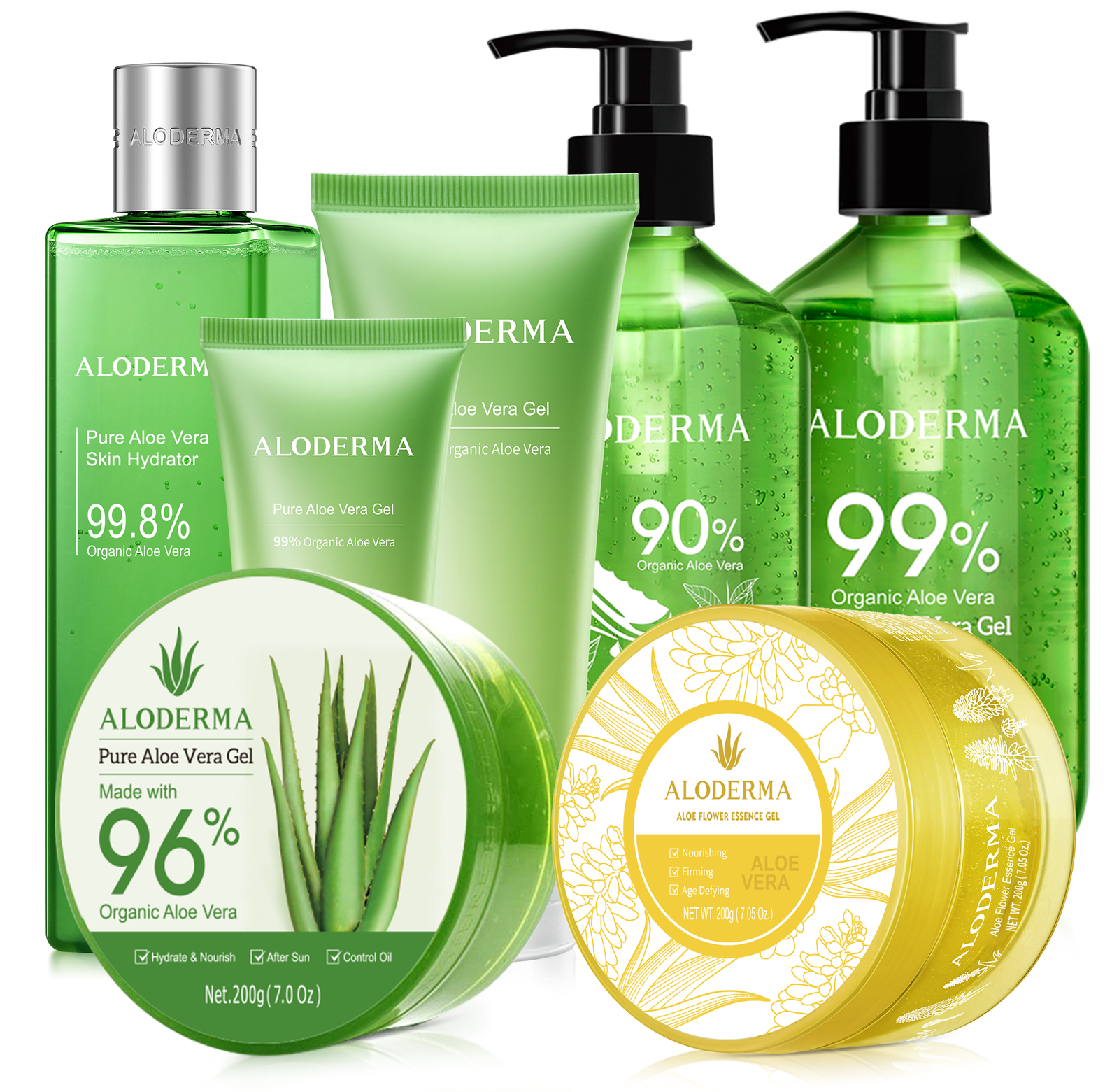
That's why a vertically integrated model stands out. Aloderma is a fully vertically integrated aloe vera company. It grows its own organic aloe vera, processes that aloe onsite, and manufactures onsite within 12 hours of harvest so the primary ingredient found across the line is as bioactive and effective as possible. That matters for transparency, and it also matters for anyone trying to connect sustainability with actual skin results.
What farm to skin means for the person using it
For a shopper, “farm to skin” isn't just a feel-good phrase. It answers practical questions.
- Where did the hero ingredient come from
- How many middle steps happened before it reached the bottle
- Can the brand explain its process clearly
- Does the formula begin with a fresh, recognizable base rather than a vague marketing story
That kind of clarity is especially helpful if you've been trying to simplify your routine. A straightforward ingredient story often pairs better with a straightforward routine.
The more distance there is between the field and the formula, the harder it becomes to judge freshness, quality, and accountability.
If you want a closer look at why fresh aloe is such a versatile skincare base, Aloderma's guide on how to use aloe vera for skin gives a helpful overview.
Low waste is stronger when the supply chain is simpler
A simple supply chain won't solve every environmental question on its own. But it does support the bigger goal behind zero waste skincare. Less disconnect. Less guesswork. More control over ingredient quality and production decisions.
That's the missing link in a lot of sustainability conversations. People talk about the bottle and forget the farm. But if a product is meant to respect the planet, it should show that respect before packaging enters the conversation.
Building Your Gentle Zero Waste Skincare Routine
A gentle zero waste skincare routine doesn't need ten steps, and it doesn't need a dramatic bathroom makeover. It works better when you make a few smart swaps and choose products you'll finish.
A common concern is whether lower-waste formulas can still work well for sensitive or blemish-prone skin. The answer depends less on the eco label and more on ingredient transparency and gentle formulation, since botanical-heavy products without careful formulation can sometimes cause reactivity, as discussed in Going Zero Waste's skin care article.
Start with fewer products, not trendier ones
The easiest way to reduce waste is to stop building a routine around impulse buys. If your skin feels overwhelmed, a shorter routine often helps you notice what's working.
Think in four basic steps:
- Cleanse
- Tone
- Hydrate
- Treat only if needed
That framework is practical for sensitive, oily, and easily unsettled skin because it removes the pressure to pile on product after product.
Cleanse in a way that leaves skin comfortable
A low-waste routine still has to remove sunscreen, sweat, and daily buildup. The goal isn't a squeaky-clean feeling. The goal is clean skin that doesn't feel tight afterward.
Look for a cleanser with a short, readable ingredient list and a texture you'll use consistently. If you're comparing formats, bars can cut packaging while liquid cleansers may feel easier for some skin types to tolerate. The point is not to force a format that doesn't suit your habits.
If you're curious about soap-based cleansing alternatives, this guide to radiant skin with olive oil soap offers a useful perspective on a traditional, low-packaging option.
Tone only if it serves a purpose
Toner doesn't need to be a mandatory step. It earns its place when it helps your skin feel balanced and lightly hydrated, or when it makes the rest of your routine feel smoother and simpler.
If your skin tends to feel oily in some areas and dry in others, a light toner can help reset that in-between feeling after cleansing. If your current toner is just another bottle you keep forgetting to use, skip it.
Hydration is where multi-use products shine
Hydration is one of the easiest places to make your routine more mindful. A single aloe-based hydrator can often cover several roles, depending on your skin and climate.
One option in this category is Aloderma 99% Pure Aloe Vera Gel, which can work as a lightweight hydrator, a calming layer after cleansing, or a simple leave-on step when your skin doesn't want something heavy. Because Aloderma grows its own organic aloe vera and processes and manufactures onsite within 12 hours of harvest, the formula aligns well with the farm-to-skin idea discussed earlier.
If your skin is sensitive, don't chase excitement. Chase consistency. A product you can use comfortably every day is often the one that makes your routine more sustainable.
Here's a quick way to match texture to preference:
| Skin feel you want | Product style to consider |
|---|---|
| Barely-there hydration | Aloe gel or lightweight gel cream |
| Softness without heaviness | Lotion texture |
| A little more cushion at night | Cream used only where needed |
A short visual walkthrough can help if you're trying to simplify your shelf without losing the essentials.
Treat with intention, not urgency
This is the step where waste often creeps in. People buy multiple serums, use each one twice, then move on.
A better approach is to treat one concern at a time and give the product a fair place in your routine. If your skin is already comfortable with your cleanser and hydrator, then a serum or mask can make sense. If your skin still feels unsettled after cleansing, adding more actives usually isn't the answer.
Reusable cotton pads, fewer backup products, and one dependable hydrator can take your routine much farther than a shelf full of “green” experiments.
Reading Labels and Spotting Real Sustainability
Skincare shelves are crowded with words like natural, clean, green, conscious, pure, and earth-friendly. Some products live up to that language. Some only borrow it.
That matters because a large share of shoppers already lean toward natural or organic products. A market summary reports that 54% of global consumers prefer natural or organic ingredients, and it also warns that real sustainability depends on certifications and transparent ingredient lists, not just marketing buzzwords, according to Market.us skincare statistics.

Read the front, then verify on the back
The front label is where brands make promises. The back label is where those promises get tested.
When you pick up a product, check these details:
-
Certification language
Terms like ECOCERT, USDA Organic, and EU Organic matter because they point to standards around ingredient sourcing and processing. -
Ingredient order
Ingredients are typically listed from highest to lower concentration. If you're shopping for an aloe-based product, seeing Aloe Barbadensis Leaf Juice high on the list tells you more than seeing aloe buried near the end. -
Packaging design
Refillable or reusable packaging is helpful, but look closely at mixed materials, pumps, and droppers. They can make disposal less straightforward.
A good parallel exists outside beauty. If you want a simple way to think about material choices and packaging tradeoffs, Afida on sustainable food packaging is a helpful read.
How to spot greenwashing faster
Some claims sound sustainable without saying much at all. Be cautious when a product leans heavily on mood words and barely explains ingredients, sourcing, or disposal.
A quick filter helps:
| Label claim | Better question to ask |
|---|---|
| Natural | Which ingredients, and how are they listed |
| Eco-friendly | What part is eco-friendly, the formula, the pack, or both |
| Clean beauty | Is the full ingredient list easy to find |
| Sustainable | Is there evidence through certification, refill design, or sourcing details |
Look for proof, not mood. A calm beige label and a leaf graphic aren't the same thing as transparency.
If you want examples of how ingredient-forward brands present that transparency, Aloderma's article on the best clean beauty brands is a useful comparison point.
A simple label habit that pays off
Pick one product category you buy often, such as cleanser or gel moisturizer. Compare three versions side by side. Read the ingredient list. Check the packaging pieces. Notice whether the brand explains sourcing clearly. That one habit will teach you more than any front-label slogan.
Smart Disposal DIY Tips and End of Life Care
The routine isn't over when the product is empty. Disposal is part of zero waste skincare too.
That's where many good intentions fall apart. People buy a recyclable-looking bottle, toss the whole thing in the bin with the pump attached, and assume the job is done. In reality, end-of-life care works better when you slow down for a minute and deal with each part correctly.
How to handle empties without guesswork
Start simple. Before recycling any skincare container:
-
Rinse the container
A quick wash helps remove leftover residue. -
Separate mixed parts
Lids, pumps, droppers, and caps may need to come off. -
Reuse sturdy containers first
Small jars can hold hair pins, travel cotton pads, or tiny household items. -
Check local rules
Recycling systems vary, especially for pumps and multi-material closures.
Applying the full lifecycle idea, the School of Natural Skincare's zero waste skincare discussion makes the important point that environmental impact includes the whole product journey, and that choosing multi-use products can reduce overall consumption more effectively than focusing on packaging alone.
A simple DIY use-up idea
One of the easiest ways to create less waste is to get more use from one product before buying another. A plain aloe gel works well for that because it can fit into different moments of your routine.
Try this easy mask:
Quick aloe comfort mask
- 1 layer of pure aloe gel applied to clean skin
- Leave on briefly
- Rinse or tissue off if you prefer a lighter finish
- Follow with your usual moisturizer if needed
This kind of use helps one product cover hydration, a simple mask step, and post-cleansing comfort. If you're storing aloe products and wondering how long they stay usable after opening, Aloderma's guide on how long aloe vera lasts is worth bookmarking.
Don't use raw aloe leaf from home as a casual DIY shortcut unless you know exactly how to prepare it safely. A finished skincare product is usually the more consistent option.
Use up what you already have
A zero-waste mindset doesn't mean throwing out your current routine and replacing everything with “better” packaging. The lower-waste move is often to finish what still works for you, then replace it thoughtfully.
You can even extend that mindset beyond skincare. If you drink coffee at home, sustainable gardening with used coffee is a good example of how everyday leftovers can become useful again instead of heading straight to the trash.
The more often you think in terms of reuse, refill, and multi-purpose products, the easier sustainable habits become.
Your Simple Checklist for a Mindful Routine
A mindful zero waste skincare routine should feel lighter, not more stressful. If your routine becomes complicated, expensive, or full of guilt, it stops being sustainable in a very practical sense.
The most helpful shift is to stop asking, “What's the perfect eco routine?” and start asking, “What will I use consistently, enjoy using, and dispose of responsibly?”
Your keep-it-simple checklist
Use this as a quick mental reset when you shop or reorganize your shelf:
-
Choose products you'll finish
Half-used products are waste, even when the packaging looks responsible. -
Prioritize ingredient transparency
Clear labeling helps you avoid blind buying and reduces the chance of collecting products that don't suit your skin. -
Think beyond the bottle
Farm practices, manufacturing choices, packaging, daily use, and disposal all matter. -
Prefer multi-use where it makes sense
One versatile hydrator can reduce the need for several niche items. -
Start with one swap
A refill, a simpler cleanser, reusable cotton pads, or one dependable gel can be enough to begin. -
Keep your routine gentle
Sensitive and easily unsettled skin usually does better with consistency than experimentation.
Common mistakes that make the process harder
A lot of frustration comes from trying to do everything at once.
Here are the missteps I see most often:
| Mistake | Better move |
|---|---|
| Throwing out current products immediately | Finish what still works, then replace slowly |
| Equating natural with automatically gentle | Read ingredients and patch test thoughtfully |
| Buying every low-waste trend | Build around daily essentials first |
| Focusing only on packaging | Consider sourcing, formula, and actual usage too |
Progress counts more than perfection
You don't need a plastic-free bathroom by next week. You don't need to panic over one pump bottle. You don't need to replace every familiar product with a solid bar just because it looks more sustainable online.
You do need a routine you can live with.
A mindful routine is one that respects your skin, reduces unnecessary buying, and makes disposal easier when the product is done.
That's why the strongest version of zero waste skincare connects clean ingredients with lower-waste choices across the entire lifecycle. Farm to face. Daily use to empty jar. Product performance to packaging decisions.
If you keep that full picture in mind, your routine gets easier to trust.
If you want to explore a farm-to-skin approach built around fresh organic aloe vera, Aloderma offers aloe-based gels, cleansers, toners, creams, masks, and everyday hydrators made from aloe grown on its own organic farms and processed onsite within 12 hours of harvest. That kind of transparency can make it easier to build a routine that feels gentle, simple, and more mindful from start to finish.