



You've had one of those days where your lips feel tight, your hands look dull, and the only product on the shelf that seems capable of doing anything is the shiny little balm you've heard about for years. That's usually where Elizabeth Arden Eight Hour Cream enters the conversation, not as a normal moisturizer, but as a heavy, glossy rescue product that people reach for when skin feels rough, wind-beaten, or just plain needy.
The tricky part is that a lot of shoppers call it a cream when it behaves more like an occlusive balm. That difference matters, because a balm that seals in moisture is not the same thing as a lightweight hydrator that adds water to skin. If you've ever wondered why it feels so rich, why some people swear by it, and why others say it's too sticky for daily face use, this guide breaks it down in plain language.
What 8 Hour Cream Actually Is
The first thing to get clear is simple, Eight Hour Cream is not a standard face lotion. It's a long-running skin protectant that debuted in 1930, and it became the first Elizabeth Arden product to carry the brand name, which is why it sits in beauty history as more than just a tube of balm. The product's name also comes from a memorable customer story about a child's grazed knee healing in eight hours, a detail that helped turn the formula into a legend. Vogue's history of Eight Hour Cream captures that origin well.
Think of it as a seal, not a drink
The easiest way to picture it is this, a moisturizer is like pouring water into a plant pot, while Eight Hour Cream is like laying a cover over the soil so the water doesn't evaporate too fast. That makes it useful for dry lips, rough patches, windburn, minor irritations, and cracked areas, because the main job is to keep the skin surface protected. The original OTC skin protectant formula lists petrolatum 56.8% as the active ingredient, which is why the product works by sealing rather than quenching. Drug listing for Eight Hour Cream Skin Protectant
This is also why people get confused. The tube gets marketed for lips, brows, hands, feet, and stray dry spots, but that doesn't mean it behaves like a daily all-over facial moisturizer. It's better understood as a targeted barrier balm.
Practical rule: if a product feels thick, glossy, and a little clingy, it's usually asking to sit on top of skin, not disappear into it.
Inside the Original Formula
The original formula matters because it explains the texture, the finish, and the feel on skin. The classic version is built around petrolatum, salicylic acid, and vitamin E. Those three ingredients don't do the same job, and that's exactly why the tube has lasted so long. Ingredient breakdown of the original formula
What each ingredient is actually doing
Petrolatum is the heavy lifter. It acts like a raincoat for skin, forming an occlusive layer that reduces water loss. That's why the balm can soften chapping and keep rough areas from feeling drier the moment you step outside.
Salicylic acid is the interesting historical piece. In this formula, it represents one of the earlier cosmetic uses of a beta-hydroxy acid, and it helps explain why the product has always felt a little more functional than decorative. It's not there to make the balm behave like a modern exfoliating treatment, it's part of the original support system.
Tocopherol, or vitamin E, adds antioxidant support and rounds out the feel of the formula. It contributes to the smoother cosmetic finish people notice on lips and dry patches.
| Original Eight Hour Cream Formula at a Glance | ||
|---|---|---|
| Ingredient | Role | Skin Feel |
| Petrolatum | Occlusive barrier that slows water loss | Thick, sealing, glossy |
| Salicylic acid | Historical beta-hydroxy acid component | Functional, not fluffy |
| Tocopherol | Vitamin E antioxidant support | Smoother, cushioned finish |
That ingredient logic is why the product feels more like a balm topper than a face cream. It sits on the skin, protects the surface, and keeps exposed areas from feeling stripped.
If you like comparing barrier balms across categories, the way a rich protectant behaves can be a useful reference point. For a broader view on how occlusive care shows up in other products, the discussion of Momotaro Apotheca vulvovaginal care offers a helpful example of how salves are often built to sit on the skin and support comfort rather than act like lightweight hydrators.
For a closer look at aloe as a different kind of skin-support ingredient, this internal guide on Aloe Vera Barbadensis is a useful reference.
Popular Uses and Application Tips

Few customers purchase Eight Hour Cream seeking a full-face moisturizer. They buy it because something small and annoying needs fixing right now, a dry lip, a rough cuticle, a patch of flaky skin, or a winter face that feels exposed the second they walk outside.
Where the formula makes the most sense
The strongest use cases line up with the product's petrolatum-led design. Lips are a natural fit because the balm creates a sealing layer. Cuticles, hands, heels, and elbows also make sense because those areas get dry, rubbed, and exposed. The same goes for windburn protection, where the product acts like a shield rather than a drink for the skin. DermApproved's product overview describes that barrier-style use well.
A few uses sit in the middle. Brows and flyaways are more cosmetic than corrective, but they work because a tiny amount adds control and sheen. That's more about finish than skin benefit. If you use too much, though, the glossy look turns greasy fast.
How to use it without overdoing it
Practical rule: start with a rice-sized amount, warm it between fingertips, then press it onto the exact spot that needs it.
Use it as the final step on targeted areas, not as your default all-over face cream. On lips, a thin layer often does the job. On hands or heels, you can use a more generous amount and cover the area so the balm stays put. On the face, keep it local unless your skin is very dry and you know it likes heavy occlusives.
A lot of the “miracle balm” reputation comes from how versatile it feels in a pinch. That versatility is real, but it's not the same thing as universal suitability.
Who Should Be Cautious With It
The biggest mismatch with Eight Hour Cream usually isn't the ingredients list itself. It's the assumption that a balm built on petrolatum and lanolin will feel good on every face, in every climate, for every skin type. That's where some readers get frustrated.
Oily, sensitive, and blemish-prone skin can feel the downside fast
If your skin is oily, the balm can leave you looking shinier than you wanted, especially around the nose, cheeks, or forehead. If your skin is sensitive, the original formula's fragrance can be the part that makes it feel less friendly. And if your skin is blemish-prone, a thick occlusive layer can feel like too much on areas that already trap heat and oil.
That doesn't mean the product is bad. It means the use case needs to be narrower. The most practical workaround is to keep it off the whole face and use it the way many people already do, on lips, knuckles, heels, elbows, or other dry spots.
For a broader perspective on skin-rejuvenation choices and why texture matters so much in real routines, the overview from Cape Cod Plastic Surgery's insights is a useful reminder that richer products often serve a different purpose than lighter daily hydrators.
A simple self-check before you swipe it on
If you're unsure, ask three questions before applying it to your face.
- Does my skin already run shiny by midday? If yes, keep it to spot use.
- Do scented formulas usually bother me? If yes, patch test first or skip facial use.
- Am I trying to moisturize, or just seal in comfort on one area? If it's the second, the balm makes more sense.
Heavy occlusives are best when they have a job. They're much less helpful when you expect them to behave like a light daily moisturizer.
Eight Hour Cream vs Aloe-Based Hydrators

Some shoppers want the cushioned seal of a balm. Others want something that feels cooler, lighter, and easier to wear every day. That's where a head-to-head comparison between Eight Hour Cream and aloe-based hydrators becomes useful.
Texture and finish tell the whole story
Eight Hour Cream gives you a rich, visible sheen. It feels thick, protective, and very much present on the skin. That finish can be comforting on dry lips or exposed patches, but it can feel like too much on the face if you prefer a clean, low-shine result.
Aloe-forward hydrators tend to move the other direction. They're usually lighter, easier to spread, and more breathable on skin. For people who want hydration without a glossy film, that can feel closer to an everyday face routine. The trade-off is simple, the balm seals harder, while aloe products often feel fresher and more weightless.
Which one fits your routine
Think of Eight Hour Cream as a topper. Think of an aloe hydrator as a base layer. One is better when skin needs protection against dryness and wind. The other is often better when you want day-to-day hydration that plays nicely with makeup, humid weather, or blemish-prone skin.
The easiest way to choose is by finish and by context. If your skin feels rough after a long flight or a cold walk, the balm's seal can be comforting. If you want something you can wear on your face every morning without looking coated, aloe is usually the more flexible option.
For a practical guide to aloe use in everyday skincare, the step-by-step article on how to use aloe vera for skin is worth keeping nearby.
A lighter aloe formula can also be the better companion if you don't want that glazed, sticky after-feel hanging around all day. That's especially true if your climate is warm, your skin is oily, or you like layering under sunscreen and makeup.
The Aloderma Approach to Fresh Aloe
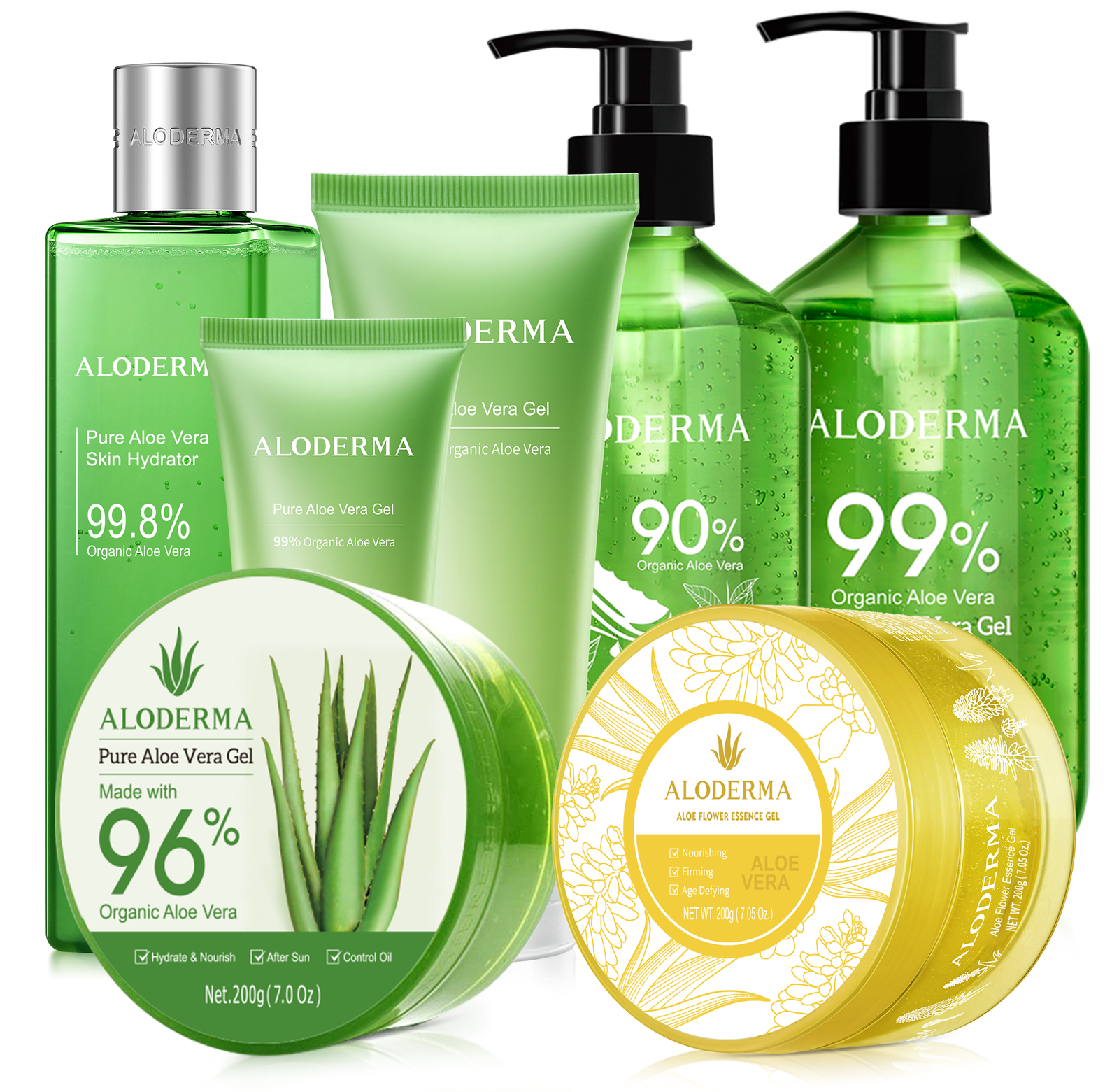
There's a real difference between a product that contains aloe as a supporting ingredient and one built around fresh, organic aloe vera from the start. Aloderma grows its own organic aloe, processes it on-site, and manufactures within 12 hours of harvest, which matters because freshness is tied to how vibrant the finished ingredient can feel in a formula. That kind of farm-to-tube setup is a very different model from buying bulk aloe that's sat around long enough to lose its just-cut character.
Why the timeline matters
Aloe is one of those ingredients people associate with a cool, clean feel on skin. When the plant is handled quickly, the final product can better preserve the sense of freshness shoppers are usually looking for. That's one reason vertically integrated brands stand out, they control the path from field to formula instead of relying on a long supply chain with more waiting in the middle.

That model also fits a different kind of skincare habit. People who want hydration without a greasy finish often look for pure gels, hydrators, creams, masks, cleansers, and bath products that feel light enough to use every day. For the reader comparing a legacy balm with something fresher, that matters. It gives you another path to comfort without defaulting to a heavy occlusive.
A more modern skin feel
The appeal is practical, not abstract. If you want moisture that feels breathable, looks cleaner on the face, and suits sensitive or oily skin more easily, a fresh aloe formula is often the more natural daily choice. That doesn't make the balm obsolete. It just means the job changes from “seal everything” to “hydrate in a lighter way.”
Smart Buying Tips for Aloe Creams

If you're shopping for aloe-based skincare, the label should do more than look green and calming. The details that matter are the ones that tell you what's in the tube and how it was made.
What to scan before you buy
Look for certifications like ECOCERT, USDA Organic, or EU Organic when you want a cleaner signal than marketing copy. Check the ingredient list, too, because aloe should appear near the top if it's meant to be a main feature. If a brand talks about fresh processing, that's a meaningful sign, especially when it happens close to harvest.
A short ingredient list is useful only if the ingredients make sense for your skin. The prettiest package won't help if the formula feels heavy or irritating.
Pay attention to the rest of the formula as well. Claims like naturally derived or plant-based essential oils are helpful, but they don't automatically tell you whether a product is suitable for sensitive skin. If you know fragrance bothers you, look for fragrance-free or hypoallergenic positioning instead of assuming “natural” means gentle.
Where people usually shop
Direct-to-consumer sites can make comparison easier because you can read the ingredients and formulas in one place. Marketplaces like Amazon are convenient for restocking. Seasonal bundles and curated sets can make sense if you want to try a few textures at once or buy a practical gift.
For a closer look at one of the brand's best-known aloe references, this guide to best aloe vera gel brand is a useful companion read.
A quick one-minute checklist helps a lot:
- Green flag: organic certification is visible.
- Green flag: aloe is high on the ingredient list.
- Green flag: the packaging protects the formula.
- Red flag: too much fragrance for a face product.
- Red flag: lots of filler language, not enough ingredient detail.
- Red flag: no clear explanation of what the product is meant to do.
Common Questions About 8 Hour Cream
Does Eight Hour Cream really last eight hours? The strongest official claim is that the lotion keeps skin moisturized for up to 8 hours and may help protect against extreme weather. In practice, that should be read as a performance claim about how long the occlusive feel can hold on skin, not a promise that every skin type will experience the exact same result. Elizabeth Arden's product page states that claim directly.
Can I use it with retinoids or exfoliating acids? Yes, but keep it strategic. A thick balm can be useful as a final layer on dry spots after active products have absorbed, yet it isn't usually the thing you want all over an active-treated face if you're already prone to shine or congestion.
Is it better than plain petrolatum slugging? Not really better, just different. Plain petrolatum is simpler, while Eight Hour Cream adds the historic formula structure, texture, and cosmetic finish people like for lips, brows, and quick touch-ups.
What's the closest lighter swap for daily facial hydration? A fresh aloe hydrator is the easier choice if you want moisture without the glossy, sticky finish. For readers who want a breathable daily feel, that's usually the more comfortable direction.
If you're deciding between a legacy balm and a fresher aloe routine, ALODERMA is built for the second path with organic aloe, lightweight textures, and everyday products that fit sensitive, oily, and blemish-prone skin. Visit ALODERMA to compare aloe gels, hydrators, creams, masks, and cleansers, then pick the formula that gives your skin moisture without the heavy finish.