



Right after cleansing, your face can feel strangely tight, almost as if the skin has shrunk around your features. You pat it dry, reach for a toner, and enjoy a soft, fresh feeling, only to notice that the tightness returns later. That cycle is frustrating, especially when a product is labeled “hydrating” yet your cheeks still feel papery by lunchtime.
The best hydrating toner for dry skin isn't just the one that feels wet or soothing on contact. It should add water to the outer layer of skin, use ingredients that help hold that water, and fit into a routine that slows evaporation afterward. Below, you'll learn what toner can realistically do, which ingredients deserve attention, how to read the full label, and how a fresh aloe-based option fits into the bigger picture.
Why Your Skin Feels Tight After Cleansing
Your morning may start with a quick wash before work. The cleanser removes sweat, oil, and overnight buildup, but if the formula is too stripping, the water runs away and your face feels pulled tight before you've even reached the mirror. That squeaky sensation can feel clean, but it isn't a reliable sign that your skin is comfortable.
Dryness often becomes more noticeable when the outermost layer can't hold water effectively. The stratum corneum, the outer layer of the epidermis, contains water and lipids that help keep the surface flexible. Cleansing too aggressively, using very hot water, or repeatedly washing when your face feels uncomfortable can leave you chasing the same tight feeling.
Tightness is useful information
Think of your skin as a soft fabric rather than a plate that needs scrubbing. When fabric loses moisture, it feels stiff and rough. Your skin can send a similar signal when water leaves the surface faster than your routine replaces and retains it.
A toner can help, but it shouldn't be asked to do every job. A water-based formula may make the surface feel more comfortable quickly, while a moisturizer helps reduce the water escaping afterward. That distinction explains why a toner can feel effective for a short time and still leave you wanting more.
Tightness usually calls for gentler cleansing and better moisture retention, not more washing or harsher exfoliation.
Start by treating the post-cleanse moment as a hydration window. Use lukewarm water, pat instead of rubbing, and apply your hydrating layer while the skin still feels slightly damp. Then follow with a cream or lotion if your face tends to feel tight again.
The label matters more than the word “hydrating” on the front. Look for water-binding ingredients, check whether the formula feels comfortable several minutes after application, and consider what you'll put on top. You can also review ALODERMA's guide to hydrating face toner for a practical look at where toner fits after cleansing.
What a Hydrating Toner Actually Does for Dry Skin
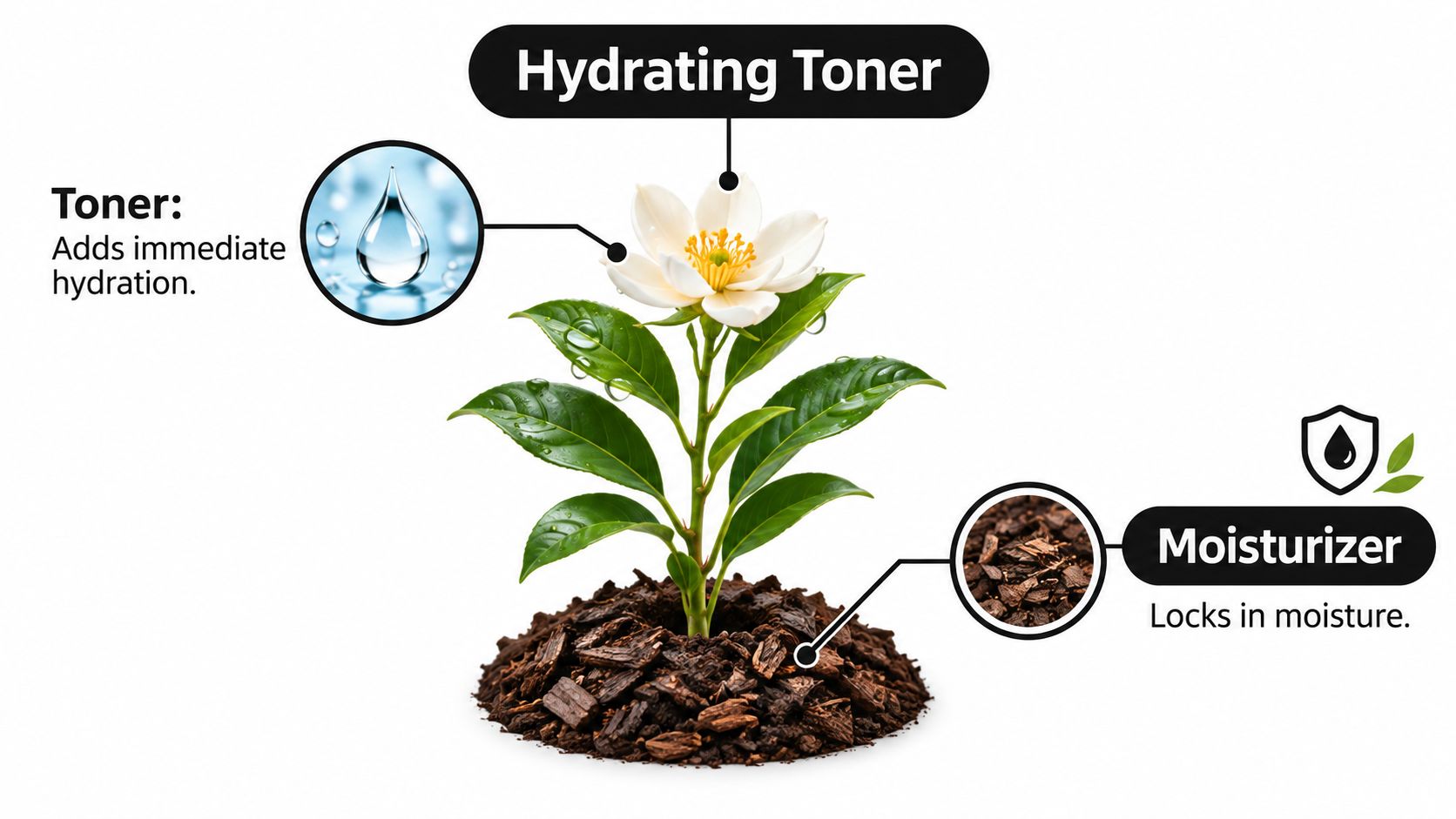
A hydrating toner is like watering a plant. It gives the soil a useful drink, but a layer of mulch helps keep that water from disappearing quickly. On your face, toner supplies water and water-binding ingredients to the stratum corneum, while moisturizer adds emollient and occlusive support that helps slow evaporation.
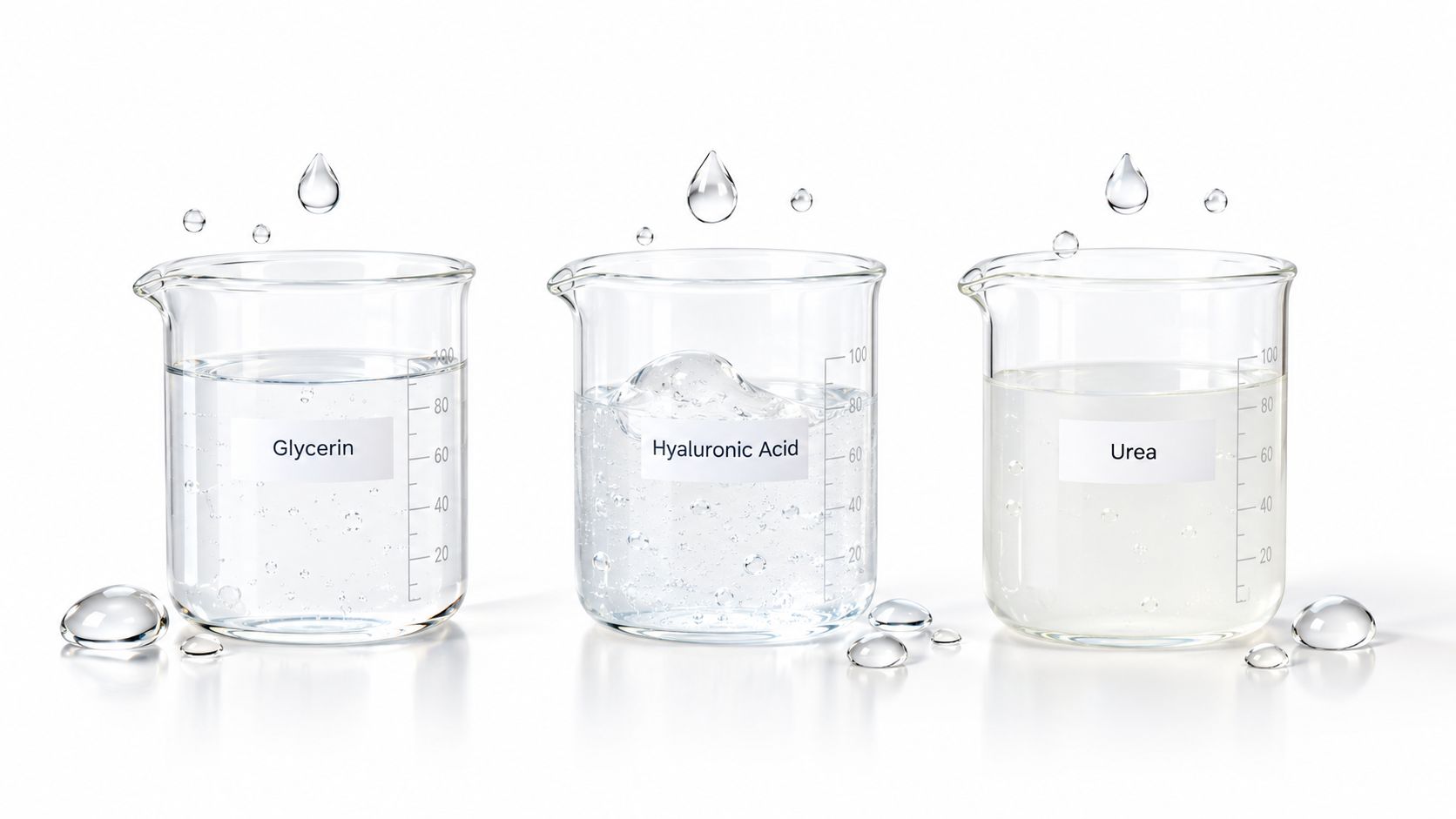
That makes toner a first hydration layer, not a complete replacement for cream. Humectants such as glycerin, hyaluronic acid, and urea attract and hold water near the skin's surface. They act like small water magnets. The moisturizer that follows works more like the lid on a pot, helping keep that hydration where you want it.
Short-term hydration versus lasting comfort
The quiet process behind returning dryness is transepidermal water loss, or TEWL. In plain language, it describes water moving passively out through the epidermis. A toner can increase water content in the outer layer, but if the surrounding air is dry or the barrier lacks enough supportive lipids, that water may leave again.
A systematic review of moisturizer studies found that glycerin increased skin capacitance, a proxy for stratum-corneum hydration, by 17% to 81% compared with no treatment across 10 clinical trials. The same review reported that glycerin-based moisturizers reduced TEWL by 1.7 and 1.9 g/m²/h in two controlled studies. You can read the systematic review of glycerin and moisturizer evidence for the underlying findings.
Results aren't identical for every formula or every person. One randomized trial found no significant TEWL difference between a 20% glycerin cream and a glycerin-free control, which shows why concentration, the rest of the vehicle, application timing, and baseline skin condition matter.
Practical rule: Use toner to add water, then use moisturizer to help keep it there.
A toner may be especially useful when cleansing leaves your face feeling uncomfortable but a rich cream feels too heavy. Apply it to slightly damp skin, then cover it with a suitable moisturizer. If you want to compare how hydration layers work alongside a dedicated cream, Dr. Connie Hiers' overview of ZO Hydrating Creme offers another product perspective.
Ingredients That Make a Toner Worth Using
Ingredient lists become easier to understand when you group ingredients by their job. Instead of scanning for one miracle component, look for a formula that combines humectants for water attraction with a routine that provides barrier support and moisture retention.
The water magnets
Glycerin is a familiar humectant that helps attract and hold water at the surface. On a label, it may appear as glycerin or glycerol. It doesn't need a glamorous name to be useful.
Hyaluronic acid, often listed as sodium hyaluronate or a related form, also binds water. Its feel and performance depend on the formula around it, so a product containing it isn't automatically the right choice if the rest of the routine leaves your skin exposed to evaporation.
Urea is another water-supporting ingredient. Controlled in-vivo evidence found that both urea and glycerol promoted skin hydration, even when the formulation had reduced water activity. The same evidence indicates that higher water activity can temporarily increase permeability, so a well-balanced formula and sensible layering still matter.
A randomized, assessor-blinded study of a fluid containing 1% hyaluronic acid and 5% glycerin reported hydration increases of 59% after 1 hour, 48% after 8 hours, and 29% after 24 hours versus baseline and an untreated control. Those figures come from the published study on hyaluronic acid and glycerin hydration. The pattern is useful for everyday decision-making: a strong initial result can soften over time, which is why the product you apply afterward matters.
The barrier-support side of the label
Ceramides act like mortar between the bricks of the outer skin layer. They help support the lipid structures that limit water loss, so they're particularly useful in the moisturizer applied after a lightweight toner. A toner doesn't need to contain every barrier ingredient itself if the next step supplies them.
Aloe vera has a different role. It can provide a lightweight aqueous base that feels comfortable when a heavier product is unappealing. It works naturally alongside humectants, but aloe alone shouldn't be treated as a complete answer to persistent tightness.
Acids deserve context rather than automatic praise or rejection. If you're curious about how citric acid functions in personal-care formulas, Fillaree's explanation of citric acid in skincare provides useful ingredient background. For dry skin, however, a toner that stings or leaves a tight finish may not be a sensible daily hydration layer.
If you want to understand a single hydrator more closely, ALODERMA's pure hyaluronic acid product shows how a water-binding ingredient can occupy a separate place in a routine. The main lesson is simple: read the complete formula, then judge how the whole routine feels.
How to Choose the Right Toner for Your Skin
You can shortlist a toner in a few minutes if you read the label in the right order. Start with the ingredient list, not the front label. Look for glycerin, hyaluronic acid, urea, betaine, or similar humectants, then ask whether your moisturizer supplies ceramides, dimethicone, petrolatum, mineral oil, shea butter, or another ingredient that helps limit water escape.
The best hydrating toner for dry skin should also be comfortable after the first few minutes. If your face feels increasingly tight, hot, or stingy, the formula may not suit your current level of dryness, even if it contains a popular hydrator.
Compare the formula category
| Toner Type | Best For | Key Ingredients to Look For | Watch-Outs |
|---|---|---|---|
| Humectant-only | People who want a light first layer | Glycerin, hyaluronic acid, urea, betaine | Usually needs moisturizer on top |
| Barrier-supportive | Skin that feels persistently tight or rough | Humectants plus ceramides or a paired barrier cream | A toner may still be too light by itself |
| Astringent | People seeking a very temporary tightening feel | Carefully reviewed, low-irritant formulas | Ethyl alcohol and witch hazel can worsen dryness |
| Exfoliating | People who need a separate, carefully managed smoothing step | Mild exfoliating ingredients in a suitable formula | Can sting or undermine comfort when overused |
Ceramides deserve a place in your evaluation because the skin barrier depends on intercellular lipids. A clinical review covering 12 reports concluded that topical ceramide preparations improved dry skin and barrier function in people with atopic dermatitis and performed as well as or better than comparator moisturizers in the included studies, as summarized in the American Academy of Dermatology moisturizer guidance.
Don't let “natural” do all the talking
Plant-derived doesn't automatically mean low-irritation. Essential oils can contain fragrance compounds, and a toner can be botanical while still being uncomfortable for skin that reacts easily. “Unscented” may mean that fragrance has been masked rather than fully excluded, while fragrance-free is the clearer choice when you want to minimize added scent materials.
Check the complete ingredient list for essential oils and fragrance components. Patch test a new product on a small area before applying it across your face, especially if your skin is currently stinging or unusually reactive. Choose a formula that leaves little tightness after several minutes, then keep the rest of your routine calm and uncomplicated.
A Fresh Aloe Option Worth Knowing
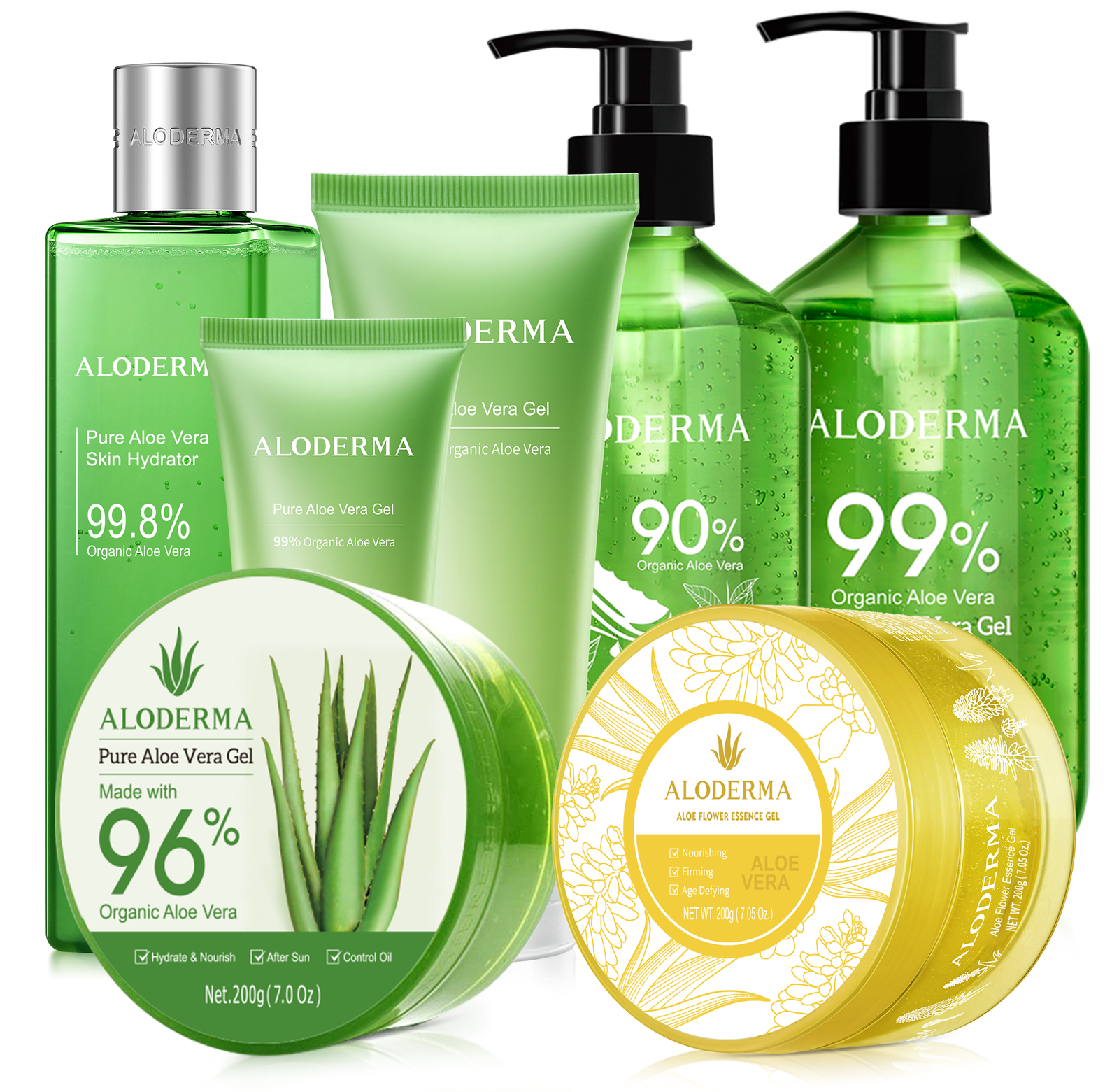
A useful worked example is ALODERMA Aloe Hydrating Toner. Its product page lists fresh organic aloe vera, with Organic Aloe Barbadensis Leaf Juice first in the ingredient list. The formula also includes betaine, glycerin, hydroxyethyl urea, saccharide isomerate, and sodium hyaluronate, giving it several named water-supporting ingredients rather than relying on aloe alone.
That combination makes sense for someone who wants a lightweight layer after cleansing. Aloe provides the aqueous base, while the humectant blend helps attract and hold water at the surface. If your cheeks feel tight after washing but you don't enjoy starting with a thick cream, a toner like this can make the first step feel more comfortable.
Why the sourcing detail matters
ALODERMA is a fully vertically integrated aloe vera company. The company grows all of its own organic aloe vera, processes the aloe, and manufactures products onsite. It states that the interval from harvesting a mature, three-year-old aloe leaf to completing processing and placing the aloe into its final product is limited to 12 hours, as described in its aloe sourcing and processing article.
For an ingredient-conscious shopper, that gives the aloe story a specific farm-to-product detail to evaluate. It isn't a vague claim about botanical freshness. The brand describes control over cultivation, processing, and manufacturing, with the aim of keeping its primary ingredient as bioactive and effective as possible.
The honest expectation remains important. This is a hydration layer, not a substitute for a moisturizer. Apply it after cleansing, then follow with a cream or lotion if your skin tends to lose comfort quickly.
How to Use a Hydrating Toner the Right Way
The order is simple, and the timing makes a difference. You want to place the humectant layer on skin that still has a little water on it, then cover that layer before it has a chance to evaporate.
- Cleanse gently. Use lukewarm water and a cleanser that doesn't leave a squeaky finish. Pat your face so it remains slightly damp rather than completely dry.
- Apply toner promptly. Press a suitable amount into your hands or apply it as directed, then smooth or pat it across your face. Avoid rubbing hard, especially around the cheeks and nose.
- Seal the layer. Follow immediately with a fragrance-minimized cream or lotion containing ceramides, dimethicone, or another occlusive. This is the lid-on-the-pot step that helps retain the water attracted by humectants.
Apply toner with your hands if cotton rounds seem to absorb too much product or create unnecessary friction. Wait only briefly before moisturizing. The point isn't to let the toner dry until your face feels tight again.
For a closer look at application order, ALODERMA's guide to using aloe vera toner places the product after cleansing and before subsequent moisturizing steps.
Habits that can undo a good formula
Remember: A toner can add water without providing enough protection against water loss.
Do:
- Keep the routine short: Cleanser, hydrating toner, moisturizer, and any other essential daytime step may be enough.
- Watch your skin's finish: A comfortable, flexible feel is more useful than a dramatic temporary tightening sensation.
- Adjust the final layer: Use a lighter lotion when your skin feels comfortable and a richer cream when the environment or your skin demands more coverage.
Don't:
- Skip moisturizer: A toner that feels rich or slippery can still be only the water step.
- Rewash your face: Tightness after application usually isn't a reason to cleanse again.
- Choose harsh astringents: Toners containing ethyl alcohol or witch hazel may be a poor match for dry, easily irritated skin.
- Assume more layers equal more hydration: Several overlapping products can create stickiness without solving evaporation.
If the toner pills, reduce the amount, give each layer a moment to settle, and check whether the moisturizer is compatible with it. If the product stings consistently, stop using it rather than trying to push through discomfort.
Your Toner Questions Answered
Can you use a hydrating toner every day?
Many people can use a simple, low-irritant hydrating toner daily if it feels comfortable and doesn't leave tightness. Start with one application after cleansing and observe how your skin feels later, not just immediately afterward. A product doesn't earn a permanent place in your routine because it can be used often. It earns that place because your skin remains comfortable with it.
Can you use one twice a day?
You can consider morning and evening use when the formula is gentle and your skin responds well. Apply it after each cleanse, but don't add a second application because your face feels dry. If the tightness is returning quickly, improve the moisturizer step or reconsider the cleanser before adding more toner.
Is toner necessary if you already use a serum and moisturizer?
No. Toner is optional, and a serum plus moisturizer may already provide the hydration layers you need. It becomes useful when you prefer a lighter first step, want to apply water-binding ingredients to slightly damp skin, or enjoy the feel of a fresh layer after cleansing.
Can a toner replace serum?
Sometimes the categories overlap, but the names don't tell you enough. Compare the ingredient lists and textures instead. A toner may be a watery humectant layer, while a serum may be more concentrated or targeted, but neither automatically replaces the moisturizer that helps retain water.
What does fragrance-free mean?
Fragrance-free generally indicates that the formula doesn't include added fragrance materials, while unscented can still mean that ingredients were used to mask the natural smell of the formula. If your skin is easily uncomfortable, inspect the full label and favor fragrance-free products over relying on the word “natural.”
Are essential oils suitable for dry skin?
They aren't automatically unsuitable for everyone, but plant-derived scent can still be irritating for some people. During periods of stinging or heightened sensitivity, a simple fragrance-free toner is the more cautious choice. Patch testing is sensible whenever you introduce a new botanical formula.
How long does it take to tell whether a toner is working?
You may notice a softer, less tight feeling soon after application, but that first impression isn't the whole test. Pay attention to how your skin feels later that day and after repeated use. If the surface repeatedly becomes tight, the toner may need a better moisturizer on top, or the product may not suit you.
Why does my skin feel tight again after toner?
The toner may have added water without enough support to slow its escape. Humectants are like water magnets, while moisturizer acts like the lid that helps keep the water in place. Apply toner to slightly damp skin and follow promptly with an emollient or occlusive layer.
Should you apply toner to dry or damp skin?
Slightly damp skin is usually the more practical choice for a water-focused toner. After cleansing, pat gently so the face isn't dripping, then apply the toner without a long pause. Finish with moisturizer while the surface still feels comfortable.
What should you do if toner stings?
Rinse it off if the discomfort is strong or persistent, and don't keep applying it in the hope that your skin will adapt. Review the label for fragrance, essential oils, alcohol-heavy ingredients, or exfoliating components. Simplify your routine until your skin feels settled, then patch test any replacement before full-face use.
Is aloe enough on its own?
Aloe can make a toner feel light and refreshing, but it doesn't automatically provide all the barrier support dry skin needs. Look for a broader humectant blend and use a moisturizer afterward when your skin loses comfort quickly. The most reliable routine is still the one that adds water and then helps retain it.
The simplest way to remember the whole approach is this: a toner adds the water, and a moisturizer helps keep it there. Try the damp-skin routine tonight without rebuilding your entire shelf. Change one step, watch how your skin feels several minutes later and later in the day, and let comfort guide the next decision.
ALODERMA offers fresh organic aloe-based toners, hydrators, cleansers, creams, gels, and other everyday skincare products for lightweight moisture and simple routines. Visit ALODERMA to explore the Aloe Hydrating Toner and choose the next layer that fits your dry-skin routine.