

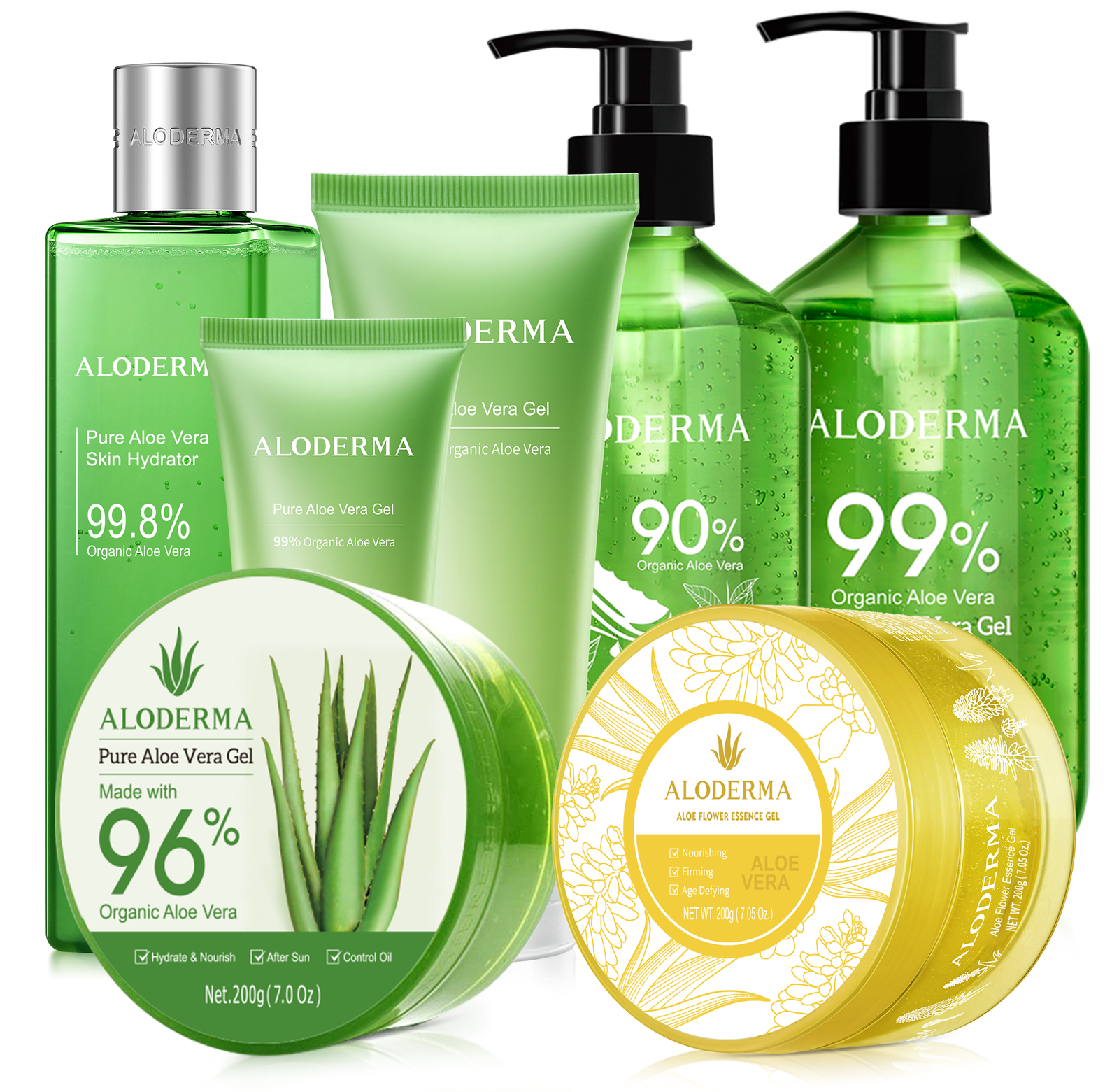


Yes, aloe vera absolutely goes bad, and its freshness really depends on the form you have. Think of raw gel scraped from a fresh leaf—it's incredibly perishable, a lot like a sliced avocado you’d leave on the counter. On the other hand, skincare products that have been professionally formulated are built for a much longer shelf life, making sure the aloe inside stays effective and safe for your skin.
The Two Worlds of Aloe Vera Freshness
Have you ever brought home a beautiful, plump aloe vera leaf, excited to use its pure gel, only to wonder how long it'll actually last in your fridge? It's a common question, and a really important one.
Understanding the difference between raw, straight-from-the-plant aloe and an expertly preserved skincare formula is the key to getting the most out of it. Imagine the feeling of applying cool, soothing gel to your skin after a long day in the sun—you want that experience to be pure and beneficial. Using gel that’s past its prime can lead to skin discomfort or just not deliver the results you're after. Knowing the signs of spoilage isn't just trivia; it's an essential part of taking care of your skin.
Fresh vs. Formulated: A Quick Comparison
The journey aloe vera takes from a farm to your bathroom shelf dramatically changes its lifespan. At ALODERMA, we’re a fully vertically integrated company—which means we grow all of our own organic aloe vera and we process our aloe vera and manufacture onsite within 12 hours of harvest to ensure the primary ingredient found in every one of our products is the most bioactive and effective aloe vera possible.
This process is designed to capture the aloe at its peak, locking in the compounds that make it so effective. It’s a level of freshness that raw gel simply can’t hold onto.
This chart gives you a good visual breakdown of what to expect from each form of aloe.

As you can see, the stability of aloe vera shoots up once it's part of a thoughtfully designed product. While fresh gel offers a wonderful, natural experience, its benefits are fleeting. High-quality skincare, like our Pure Aloe Vera Gel, uses science to preserve that farm-fresh potency, giving you reliable, consistent results from the first pump to the last. This gel, featuring fresh organic aloe juice, is a testament to how we capture nature’s best for your skin.
The Race Against Time with Fresh Aloe Vera
If you’ve ever worked with gel straight from a freshly cut aloe leaf, you know it's a beautiful but fleeting experience. Think about what happens when you slice an apple and leave it on the counter—it starts turning brown almost immediately. That's oxidation. The very same thing happens to raw aloe gel the moment it hits the air, light, and everyday bacteria. This natural breakdown kicks off instantly, diminishing its potency and vitality with every passing minute.
This rapid decline is the exact challenge that sparked the entire ALODERMA philosophy. We knew that to truly capture aloe's power at its peak, we had to control the whole journey, from the soil to the bottle. It's not just about making skincare; it's about preserving a perfect moment of natural effectiveness before it's lost forever.
The Perishability Problem
Fresh aloe vera gel is incredibly delicate. Once you prepare it from the leaf, you're in a race against its natural decomposition. Left on the counter, it’s like fresh-squeezed juice—it won't stay vibrant for long.
In fact, fresh aloe vera gel is so perishable it lasts just 1-2 days at room temperature. After that, enzymes and bacteria start to degrade it, often turning it cloudy and stripping it of its benefits. If you pop it into an airtight container in the fridge, you can slow things down and get about 5-7 days of use out of it. The whole leaves themselves are much tougher, protected by that thick, waxy rind. They can last 2-3 weeks in a cool, dry place or even a month in your refrigerator’s crisper drawer.
At ALODERMA, we solve the perishability problem by being a fully vertically integrated company. We grow all of our own organic aloe vera, then process and manufacture our products right on our farms—all within 12 hours of harvest.
This unique farm-to-face promise is our answer to the question, "does aloe vera go bad?" For our main ingredient, the answer is no, because we simply don't give it the chance. This guarantees the aloe vera in every one of our products is as bioactive and effective as possible—a world away from gels made from concentrate powders or raw materials that have been sitting around for days.
How Skincare Science Extends Aloe Vera Freshness
Ever wondered how a bottle of aloe vera skincare can sit on your shelf for months, even years, while the fresh gel from a leaf goes bad in less than a week? The secret is a beautiful marriage of nature and careful science. It's all about protecting the precious, short-lived goodness of the aloe plant so it can work its magic long after it’s left the farm.

The whole process boils down to two key players working in perfect harmony: gentle preservation systems and protective, airtight packaging. Think of preservatives not as harsh, scary chemicals, but as tiny bodyguards for the aloe, fighting off the bacteria and mold that are eager to spoil it. When you combine that with the right container, you get a formula that stays pure and potent.
The ALODERMA Commitment to Purity
This is where our farm-to-face philosophy at ALODERMA really shines. As a fully vertically integrated company, we grow all of our own organic aloe vera and we process our aloe vera and manufacture onsite within 12 hours of harvest. This isn’t just a nice-to-have; it's a game-changer that ensures the primary ingredient in every bottle is the most bioactive and effective aloe vera possible.
We then hand-pick gentle, effective preservation systems that protect this farm-fresh potency without getting in the way of its nurturing qualities. Our entire goal is to keep the aloe as close to its natural state as science will allow, delivering that just-picked feeling right to your skin.
Take our Aloe Firming Serum, for example. It is formulated with fresh, organic aloe juice and a blend of hyaluronic acid and peptides to help skin appear more youthful and feel smoother. The entire formula is built to make sure this aloe stays powerful from the very first pump to the last drop, giving you that feeling of confidence in what you’re putting on your skin.
Packaging: The Guardian of Freshness
The bottle or tube your skincare comes in is so much more than just pretty branding; it’s a crucial piece of the freshness puzzle. Packaging science plays a massive role in whether a commercial aloe product goes bad. The right barrier is everything.
In accelerated aging tests, researchers found that air-dried aloe gel powder lasted 51.05 days in aluminum foil pouches. But in certain types of polypropylene plastic? It only lasted 33.87 days under the same high heat and humidity. The foil pouches provided far superior protection, proving just how much packaging impacts stability and effectiveness.
This is exactly why we're so picky about our packaging. By pairing our incredibly fresh formulas with containers that shield them from light and air, we lock in all the potency we worked so hard to capture on our farms. You can learn more about how we keep things stable in our guide to keeping your aloe vera fresh.
When it comes to figuring out if your aloe vera has gone bad, your own senses are the best tools you have. You wouldn't hesitate to toss out milk that smells sour or bread that’s spotted with mold, and you should treat your skincare with the same common sense. Using fresh, vibrant ingredients is an act of self-care, a daily ritual that should bring you comfort, not concern.
Think of it this way: the second you notice something is off, it’s your skin’s way of asking you to pay attention. Trust those instincts—it's the best way to make sure you're only giving your skin the good stuff.
Here are the five telltale signs your aloe vera has gone bad.
1. An Unpleasant Odor
The first and most obvious sign of spoilage is the smell. Fresh aloe vera gel has a very mild, clean, and slightly earthy scent—almost no scent at all, really. If you pop the cap and are hit with a strong, sour, or rancid odor, that’s a massive red flag.
That pungent smell is usually caused by bacteria having a party in your product, breaking down the gel and creating some nasty byproducts. It’s no longer the fresh, soothing gel you started with, and you definitely don’t want that anywhere near your face.
2. A Change in Color
Pure, fresh aloe vera gel is clear or, at most, has a very faint greenish-yellow tint. As it oxidizes and degrades over time, you’ll see that color start to change.
If your gel is looking murky yellow, brownish, or has even taken on a pinkish hue, it has started to go bad. This discoloration is a visual cue that the beneficial compounds inside the aloe have broken down, which means it’s going to be far less effective for your skin.
On a related note, a healthy aloe plant should have vibrant green leaves. Besides getting mushy, another common sign of distress is when you notice why an aloe vera plant is turning brown, which can be a hint that the plant itself is past its prime.
3. A Difference in Texture
Fresh aloe should have a smooth, almost silky gel consistency that glides right onto the skin. When it starts to spoil, the texture can get weird. You might notice it becoming watery, clumpy, or unusually sticky.
Any significant shift from its original texture is a clear signal that the product’s integrity has been compromised.
4. The Appearance of Mold
This one is a non-negotiable dealbreaker. If you see any fuzzy spots—whether they are black, white, or green—the product is contaminated with mold and needs to be thrown out immediately.
Don't even think about trying to scoop out the moldy parts. Mold has invisible spores that can spread throughout the entire container, so the whole thing is a loss.
This is the peace of mind ALODERMA delivers. As a fully vertically integrated company, we grow all of our own organic aloe vera and we process our aloe vera and manufacture onsite within 12 hours of harvest. Our rigorous quality controls ensure you never have to guess about freshness, giving you the confidence to use our products, knowing they’re as pure and potent as the day the aloe left our farm.
5. A Change in How It Feels
Finally, listen to your skin. If you apply your aloe vera gel and it causes any unusual stinging, burning, or discomfort, wash it off right away. Spoiled products can harbor irritants that will only upset your skin’s delicate balance.
Your skincare should always feel soothing and supportive, never irritating.
Smart Storage to Preserve Your Aloe's Potency
Proper storage is just as important as the quality of the aloe itself. Think of it like this: you wouldn't leave fresh milk on the counter and expect it to stay good, right? The same idea applies here. How you store your aloe vera, whether it's raw gel from a leaf or a finished product, directly impacts how fresh and effective it stays.
Taking a few simple steps ensures you're protecting the potency you paid for.

This is especially true for fresh, raw gel you've just scooped from a leaf. Since it has zero preservatives, its lifespan is incredibly short unless you step in. A little planning goes a long way in making its delicate benefits last.
Handling Fresh Aloe Gel
Once you've harvested that beautiful gel, a feeling of natural connection, the clock starts ticking. The main enemies are air and heat, which kickstart the spoilage process. Here are two of the best ways to keep it fresh:
-
Refrigerate for Short-Term Use: Spoon the gel into a clean, airtight glass jar. Tucked away in the fridge, it'll stay fresh for about a week—perfect for your daily skincare routine.
-
Freeze for Long-Term Preservation: To keep a supply on hand for longer, pour the gel into an ice cube tray and freeze it. These little aloe cubes are fantastic for soothing skin on demand and can last for several months.
Caring for Your ALODERMA Products
When you choose ALODERMA, you’re getting aloe at its absolute freshest. As a fully vertically integrated company, we grow all of our own organic aloe vera and we process our aloe vera and manufacture onsite within 12 hours of harvest. This locks in its peak bio-activity. Your storage habits are the final step in preserving the pristine quality we worked so hard to capture.
The best spot for your products is a cool, dark cabinet, far away from direct sunlight and big temperature swings. That steamy bathroom shelf might seem convenient, but the constant heat and humidity can break down the formula over time.
By storing your skincare correctly, you become a partner in our farm-to-face promise. We deliver peak freshness in every bottle of our Aloe Soothing & Moisturizing Toner, made with 99.8% fresh organic aloe juice to deeply hydrate and calm the skin; you help keep it that way until the last drop.
It’s amazing how well aloe can preserve itself, and other things too. For instance, studies on papayas found that a 1.5% aloe coating extended their freshness to 15 days at room temperature, while untreated ones only lasted 9-12 days. This just shows how aloe naturally fights against degradation, a quality we are meticulous about safeguarding in our products. You can read more about these findings on aloe's preservative power.
Understanding the difference between raw gel and the stabilized aloe powders many brands use is also key. To learn more, check out our guide comparing dried aloe vs. natural aloe gel.
The Aloderma Difference: From Our Farm to Your Face
We get asked, "does aloe vera go bad?" all the time. For us, the honest answer is no—because we simply don't give it the chance. That kind of confidence comes from being a fully vertically integrated company, which means we grow all of our own organic aloe vera and we process our aloe vera and manufacture onsite within 12 hours of harvest to ensure the primary ingredient found in every one of our products is the most bioactive and effective aloe vera possible.
Think about the difference between a store-bought orange and one you pick right off the tree. That's the level of vitality we capture. We don't have to rely on third-party suppliers or deal with aloe vera powders that have been sitting in a warehouse for who knows how long.

Our 12-Hour Promise
Owning the entire process lets us make a commitment that is incredibly rare in the skincare world: our 12-Hour Promise. From the moment our aloe leaves are cut, we have them processed and ready for manufacturing in under 12 hours. This isn't just some marketing slogan; it's the core principle of our entire operation, designed to lock in the absolute maximum level of skin-loving nutrients and bioactive compounds before they even have a chance to degrade.
When you choose ALODERMA, you're choosing aloe vera at its absolute peak. You’re getting the confidence that what you’re putting on your skin is incredibly fresh, effective, and made with unwavering integrity.
This rapid, on-site processing is exactly what makes the main ingredient in every one of our products so special. Take our Pure Aloe Vera Gel + Firming & Rejuvenating, for instance. Made with 91% fresh organic aloe juice, it’s not just another gel; it’s a direct link to our farms, delivering that just-harvested vitality you can genuinely feel on your skin. This commitment to freshness and potency is the ALODERMA difference—from our farm, to our bottle, to your face.
Got Questions? We've Got Answers.
Still have a few lingering thoughts about whether your aloe vera might be past its prime? We’ve put together answers to some of the most common questions to give you complete confidence in how you use and care for your aloe products.
Can I Use Expired Aloe Vera Gel On My Skin?
We'd strongly advise against it. Think of it like this: you wouldn't use questionable leftovers for dinner, and your skin deserves that same level of care. Once aloe vera goes bad, it doesn’t just lose its beneficial properties—it can become a breeding ground for bacteria or mold.
Putting spoiled aloe on your skin could lead to discomfort or other issues, completely defeating the purpose of using soothing aloe in the first place. For your skin's health and happiness, always stick to products within their stated shelf life.
Does Freezing Aloe Vera Gel Damage Its Nutrients?
Freezing is actually an excellent way to preserve fresh, raw aloe vera gel. While there might be a very minor loss of some of the most delicate compounds, it effectively hits the "pause" button on the degradation process, keeping the vast majority of the gel's benefits perfectly intact.
A great tip is to freeze it in an ice cube tray. It's a wonderfully practical way to have soothing, single-use portions of aloe ready to go whenever your skin needs a little extra love.
Why Does My Aloderma Product Feel So Fresh?
That incredible freshness is the direct result of our unique farm-to-skin promise! At Aloderma, as a fully vertically integrated company, we grow all of our own organic aloe vera and we process our aloe vera and manufacture onsite within 12 hours of harvest. This ensures the primary ingredient found in every one of our products is the most bioactive and effective aloe vera possible.
This allows us to capture the plant’s goodness at its absolute peak. Many other products on the market are made with processed aloe powders or concentrates that have traveled long distances. With ALODERMA, the primary ingredient in your bottle is as close to the living plant as skincare science can get, delivering that distinctively fresh and hydrating feel you love.
At ALODERMA, we believe in harnessing the true power of fresh, farm-grown aloe vera. Experience the difference that our 12-hour harvest-to-process promise makes for your skin. Explore our full range of aloe-based skincare at https://aloderma.com.