







You cleanse your face in the morning, apply a mattifying product, and feel pleased with the result. By lunchtime, your forehead and nose are shiny again, so you reach for a stronger astringent and end up with skin that feels tight, hot, or uncomfortable. If that cycle sounds familiar, the answer may not be removing more oil. It may be learning how to use toner for oily skin in a way that supports balance instead of stripping the surface.
Why Toner Matters for Oily and Blemish Prone Skin
By midday, a freshly washed T-zone can look shiny again even when the rest of the face feels comfortable. Reaching for a stronger astringent may make the surface feel tight, but it does not necessarily address recurring sebum. A well-chosen toner gives oily and blemish-prone skin a gentler reset after cleansing, with light hydration, pH support, and a comfortable base for the next products.
Toner works more like a thin balancing layer than an instant matte filter. It can lift traces of cleanser, sunscreen, makeup residue, and surface oil while adding hydration through ingredients such as aloe. That balance matters because oily skin can still be dehydrated. If cleansing removes too much comfort from the surface, tightness may follow while shine continues to return.
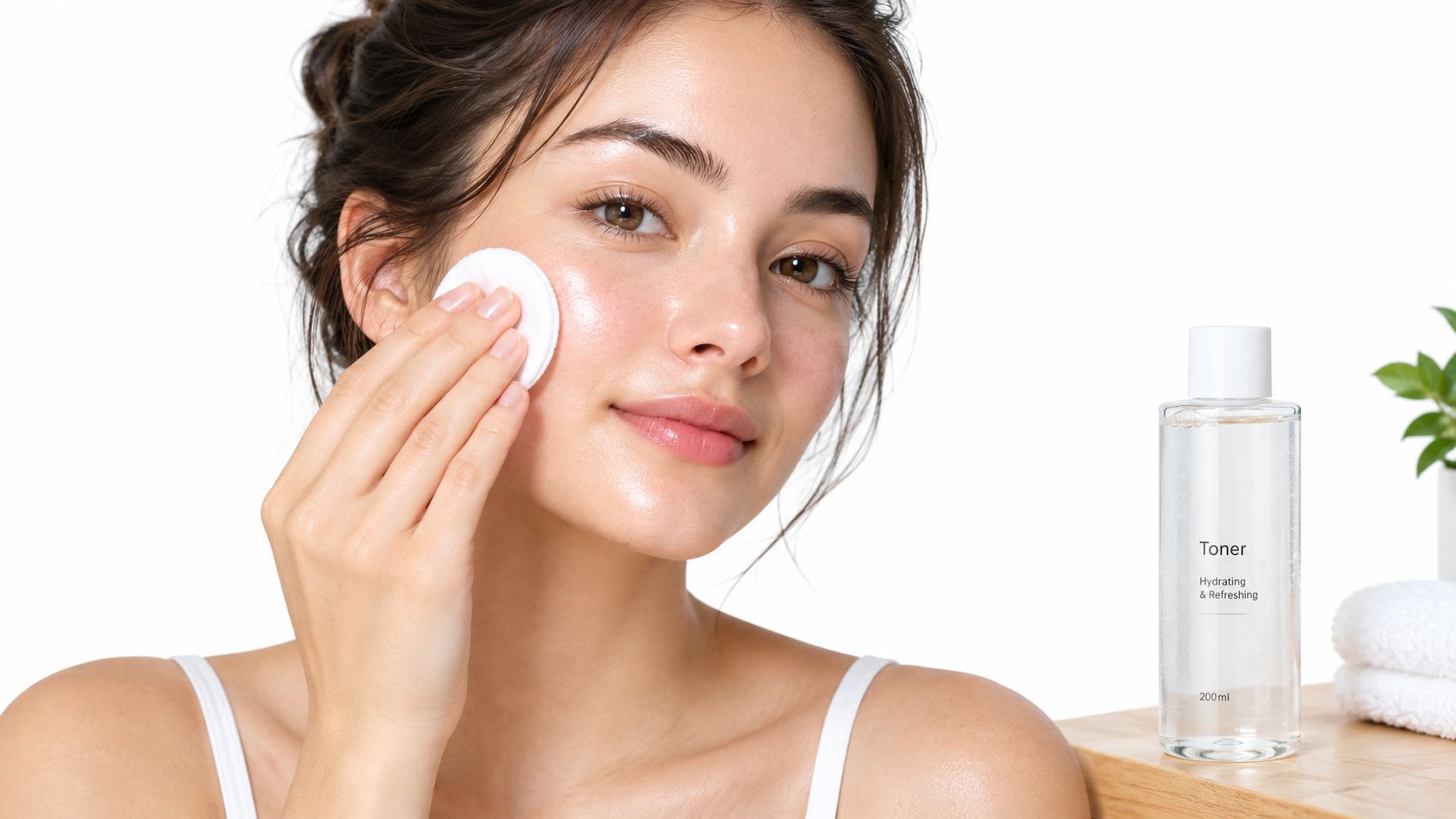
Think beyond the instant matte effect
A 2019 randomized, single-blind, split-face, placebo-controlled study involving 21 volunteers tracked daily guava toner use for 28 days. Forehead sebum fell by 13.10 ± 3.67%, while nose sebum fell by 21.43 ± 3.21%. The nose result became significant by the third week, and researchers monitored the T-zone with Sebutape (PubMed). The practical lesson is patience: judge a sebum-managing toner through consistent use over several weeks, not after one application.
The T-zone may show a change before the cheeks do. That pattern fits how many people notice oil, especially around the nose and forehead, and does not mean the product must leave every area matte.
Healthy skin commonly has a surface pH around 4.5 to 5.5. Toners are often formulated around 4.5 to 6.5, while exfoliating toners may sit around 3.5 to 4.5, according to a dermatology-oriented pH summary (Dr. Hamza Gemici). A pH-aware toner helps the routine move from cleansing to moisturizing without treating sebum as something to erase aggressively. For a clear comparison of the two steps, read this guide to cleanser versus toner.
How to Choose a Toner That Balances Oil Without Stripping
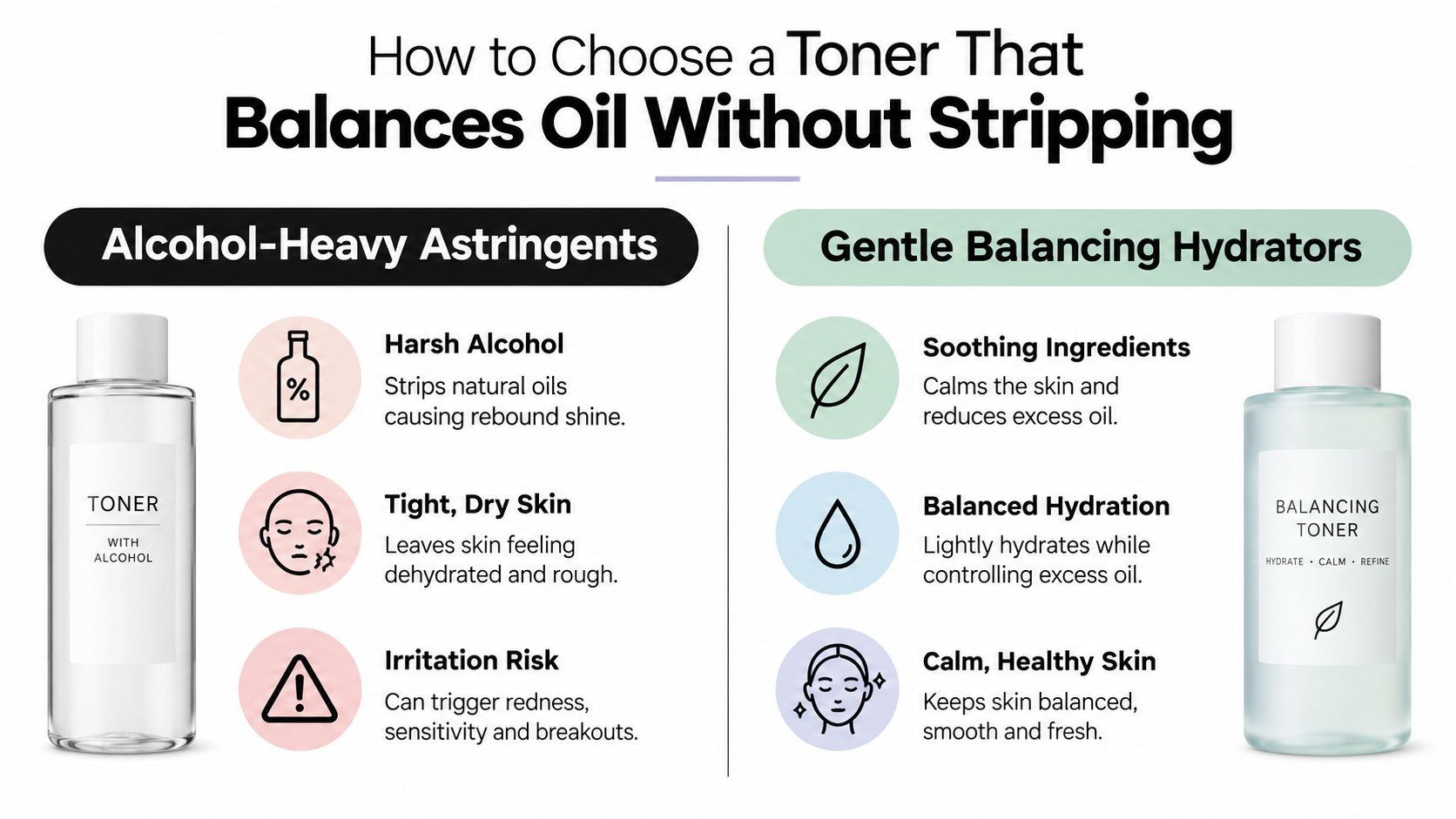
Two bottles can both promise a fresh, matte finish and behave very differently on your face. An alcohol-heavy astringent may create a quick dry sensation, while an alcohol-free hydrating toner can leave skin comfortable and still include ingredients that address excess oil. For oily or blemish-prone skin, the second experience is often easier to maintain.
Read the formula in two layers
Start with the base. Look for alcohol-free formulas that include lightweight hydrators or soothing ingredients such as aloe, glycerin, and panthenol. Aloe can make an active-focused routine feel less stark, while glycerin and panthenol support a more comfortable finish. The goal isn't a heavy, oily layer. It's a fluid product that reduces the urge to compensate with richer or harsher steps.
Then consider the oil-targeting active:
- Salicylic acid: This is a lipophilic BHA, meaning it can move into oil-rich pores and help remove sebum. Guidance for oily skin places its most effective exfoliating range around pH 3 to 4, so the formula's design matters, not just the ingredient name (Prevention).
- Niacinamide: This is commonly selected for routines focused on visible redness, uneven tone, and pore appearance. A dermatology consensus paper lists salicylic acid for acne and oily skin, and niacinamide for redness and dark spots (PubMed).
- Zinc and calming plant ingredients: These can complement oil-focused formulas when the finish feels too drying or uncomfortable. Aloe and green tea are examples of soothing support discussed in newer toner guidance (Curology).
A product example can make label reading easier. One toner lists 2% salicylic acid with 3% niacinamide, plus ingredients such as glycerin and panthenol (Croia product details). You don't need to copy that formula, but it shows how an oil-targeting active and a comfort-supporting base can appear together.
If you want professional help evaluating products or building a more personal regimen, a provider offering clinical skin care services can be a useful resource. For a gentler aloe-centered option, compare the ingredient approach in this guide to the best hydrating toner for oily skin.
How to Apply Toner in Your Morning and Evening Routine
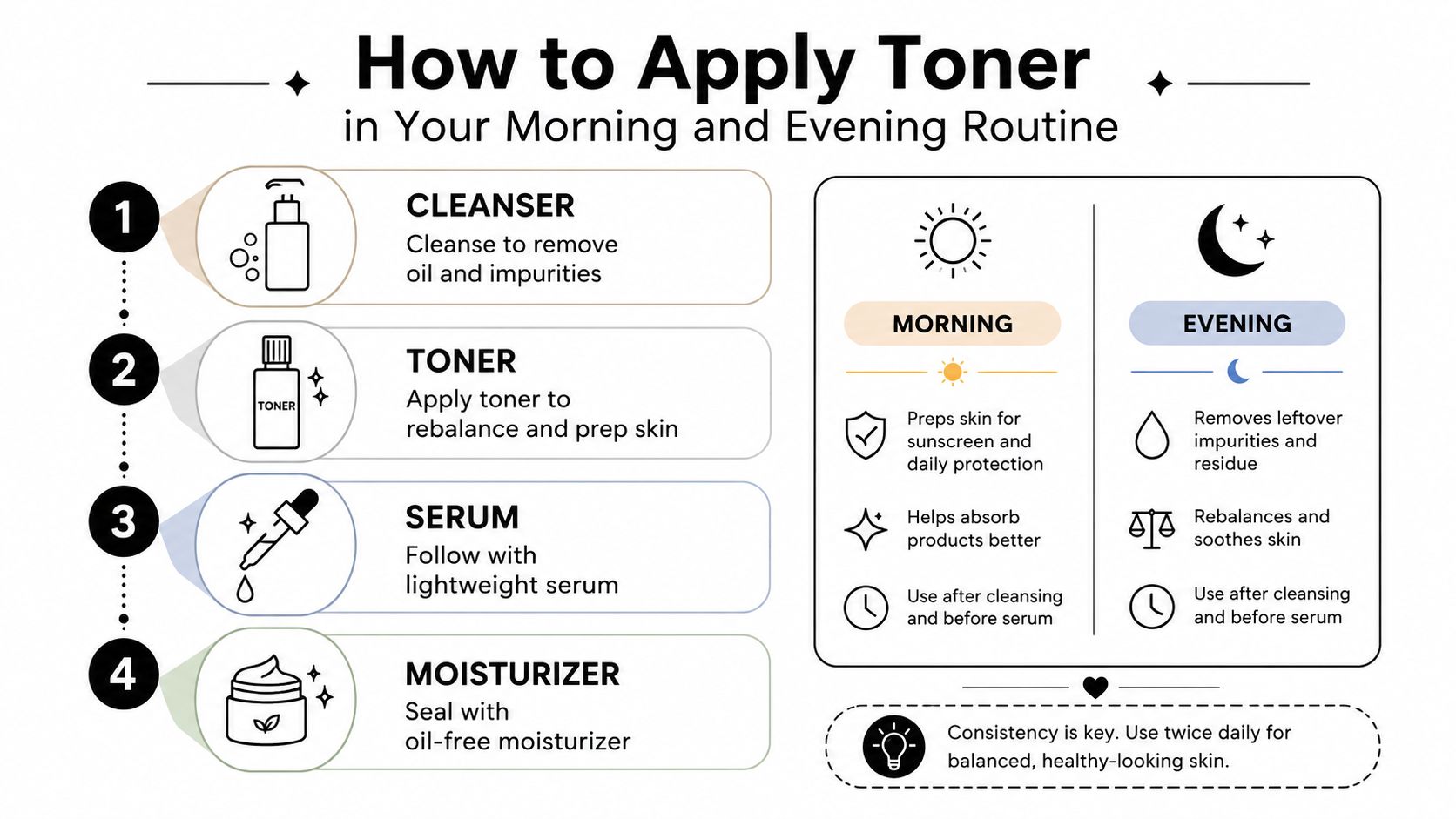
Toner belongs after cleansing and before serum or moisturizer. That order lets you remove surface residue first, apply the lightweight balancing step next, and finish with products that support comfort.
Your morning sequence
- Cleanse gently. Use a cleanser suited to your skin, then rinse thoroughly. Pat with a clean towel so your face is damp rather than dripping.
- Apply toner. Pour enough onto a cotton pad to moisten it, or place a small amount in clean palms. Press or sweep it over the face and neck, avoiding the eyes and lips.
- Choose your application method. A cotton pad makes sense after a workout or when you want to check for leftover sunscreen or cleanser. Clean hands are often gentler when your skin already feels sensitive, because they reduce rubbing.
- Pat, don't drag. Move lightly across the forehead, nose, cheeks, and chin. You don't need repeated passes over the same area.
- Layer a lightweight moisturizer. Oily skin still benefits from a comfortable, non-heavy moisturizer. Toner isn't a replacement for this finishing step.
If your toner contains salicylic acid, give it a brief moment to settle before applying serum or moisturizer. You don't need to wait for a perfectly dry, tight surface. A comfortable, slightly damp finish is usually more practical than trying to remove every trace of moisture.
Your evening sequence
At night, remove makeup and sunscreen before your regular cleanse. If a cotton pad picks up residue after cleansing, that's a signal to improve the cleansing step or use the pad gently, not to scrub harder. After toner, apply your chosen serum and then moisturizer.
The application question has no single answer for every oily face. Damp skin may help a watery formula spread easily, but active products can feel stronger on some people when applied immediately after rinsing. If your face stings, allow it to dry more fully before toner. If it feels comfortable, apply a modest layer while slightly damp.
Practical rule: Use the cotton pad for light residue removal, and use clean hands when minimizing friction matters more than mechanical wiping.
How Often to Use Toner and When to Adjust
Frequency should match the formula and your skin's response. A simple hydrating toner may suit daily use, while an exfoliating formula with salicylic acid or glycolic acid needs a slower introduction. Start cautiously so you can notice tightness, stinging, peeling, or lingering discomfort before making it part of a twice-daily routine.
As noted earlier, sebum changes can take weeks to become clear. That supports a gradual schedule rather than judging oil control after one night. Consistent, comfortable use gives a toner time to support a balanced surface, while overapplication can leave the barrier feeling strained.
A flexible starting rhythm
For an exfoliating toner, begin with evening use only. Keep the rest of your routine simple, like changing one variable in a recipe, so you can identify what your skin is reacting to.
- At the beginning: Apply once daily in the evening, using a thin layer with minimal rubbing.
- After your skin adapts: If there is no tightness, stinging, or peeling, consider adding morning use.
- For ongoing care: Keep the frequency that helps manage shine while leaving your face comfortable.
- If discomfort appears: Return to once-daily use or pause the exfoliating formula until your skin feels settled.
A hydrating aloe toner without a strong exfoliating focus may fit morning and evening more easily. Your response still sets the schedule. Oily skin is not automatically resilient skin. A shiny forehead can sit alongside cheeks that feel dry after cleansing.
Use comfort as your guide. If your face feels calm and flexible, the frequency may be working. If it feels tight, sore, or unusually sensitive, reduce exposure rather than trying to counter the sensation with more toner. This guide to using toner every day explains how daily use can depend on formula, tolerance, and routine context.
Watch the areas that concern you most without expecting them to change together. The nose and forehead may feel less slick before the cheeks appear different, so adjust based on the whole face, not one shiny spot.
Common Mistakes and Gentle Fixes for Shiny Skin
A forehead can look glossy by lunchtime while the cheeks feel tight after cleansing. That combination often leads people to reach for a toner that leaves an intensely dry finish. Skin that feels fresh, flexible, and comfortable several hours later gives a better sign that the routine is working.
Mistake one, choosing harshness as proof
Alcohol-heavy formulas and strong astringents may remove surface oil quickly, but they can also cause dryness and irritation. The tight feeling can then encourage more scrubbing, extra toner, or skipping moisturizer, making shine and sensitivity harder to manage.
Gentle fix: Choose an alcohol-free formula with aloe, glycerin, panthenol, or another soothing ingredient. Aloe-based hydration supports comfort, while a targeted active such as salicylic acid or niacinamide addresses excess oil or clogged pores. This pH-aware, balanced approach is favored over aggressive astringency in dermatology-oriented guidance, and sebum output remains influenced largely by genetics and hormones (Health Insiders). Toner can help manage shine, but it cannot permanently switch oil production off.
Mistake two, treating cotton like a cleaning tool
A cotton pad can lift leftover residue, yet repeated wiping adds friction. Dragging it across the nose and cheeks, especially when those areas already feel sensitive, may leave the skin raw without improving oil control.
Gentle fix: Use enough toner to lightly saturate the pad and make one calm pass. You can also apply it with clean hands, then pat gently until the surface feels evenly covered. The aim is consistent distribution, not polishing.
Mistake three, skipping moisturizer
Shiny skin still needs water and barrier support. Leaving out moisturizer may make the surface feel uncomfortable and can make the routine difficult to maintain.
Apply a lightweight moisturizer after toner, using a thinner layer on oilier areas and a little more on cheeks that feel dry.
Mistake four, expecting an aloe toner to feel severe
A gentle formula may seem less active because it does not leave a sharp, squeaky finish. That comfort is useful. Aloe hydration can support the barrier while an oil-targeting active works gradually, so the routine manages shine without stripping the surface.
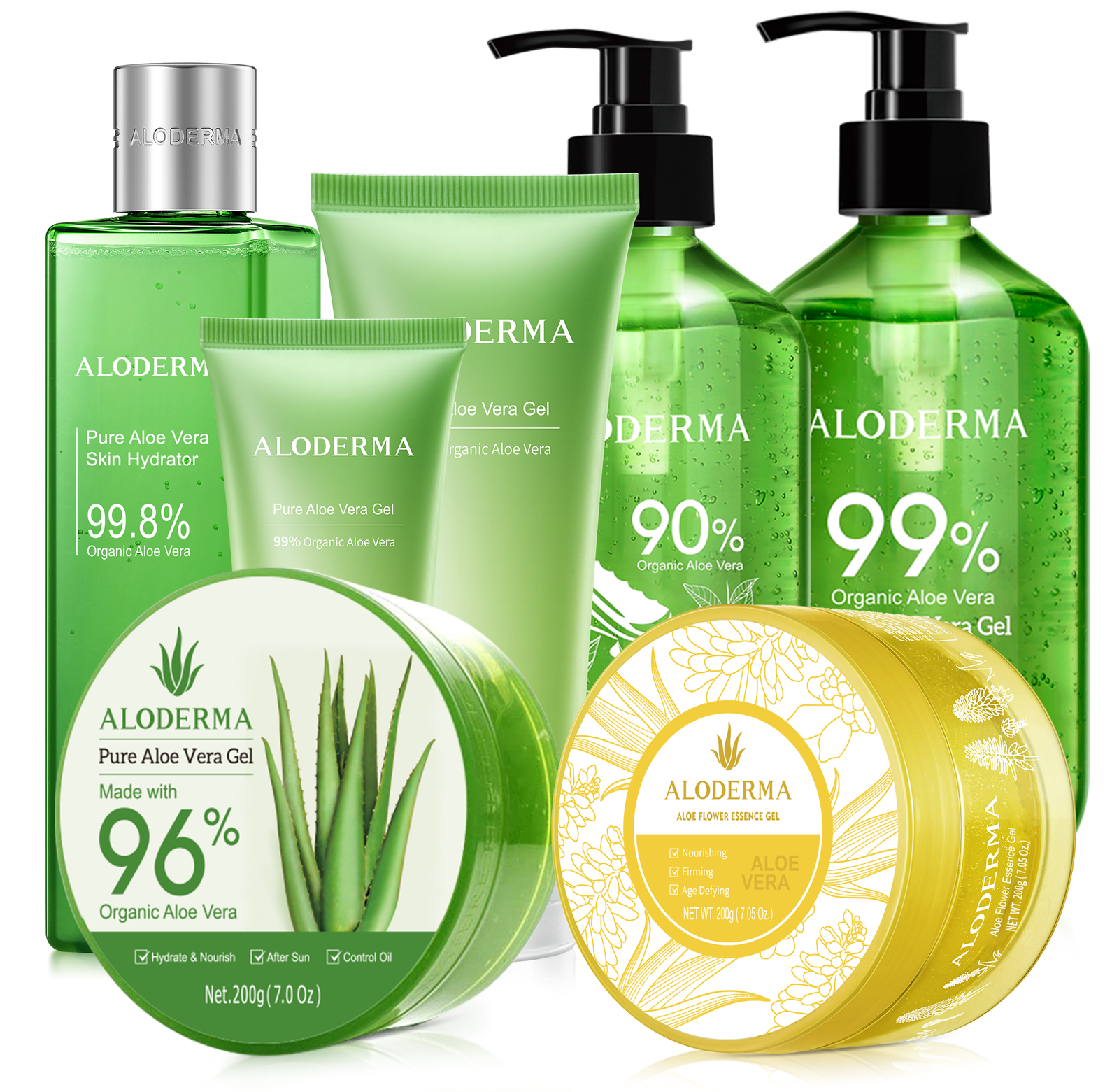
ALODERMA describes a vertically integrated model in which it grows organic aloe vera and processes it onsite within 12 hours of harvest, with the goal of preserving the ingredient's freshness and bioactivity (ALODERMA's aloe vera guide). A lightweight aloe base can complement targeted ingredients while keeping toner comfortable for oily, blemish-prone skin.
Building a Simple Routine You Will Actually Stick To
A routine for oily skin can stay short and comfortable:
Cleanse, apply toner, use a lightweight moisturizer. In the morning, add your preferred daytime protection. In the evening, remove makeup and sunscreen before cleansing, then repeat the same sequence.
Toner earns its place when it helps skin feel balanced and ready for moisturizer, rather than tight or stripped. Choose a pH-aware, alcohol-free formula, introduce exfoliating actives gradually, and pat instead of rubbing. Judge the routine over several weeks, not by the first matte finish.
For ingredient-conscious shoppers, ALODERMA's farm-to-skin model uses organically grown aloe processed onsite within 12 hours of harvest. A gentle aloe base can provide hydration while targeted ingredients help manage excess sebum, much like steady watering helps a plant stay resilient without flooding the soil.
Start tonight with one gentle cleanse, a modest toner application, and a light moisturizer. Keep the steps consistent, then adjust frequency according to comfort and the areas that become shiny first.
Explore ALODERMA for aloe-centered toners, cleansers, lightweight hydrators, serums, and moisturizers suited to a simple oily-skin routine. Choose products that fit your preferred ingredients and give your skin time to respond.