



You know the feeling. Your skin looks fine in the morning, then a long flight, a heated office, or a windy commute leaves it tight, rough, and somehow dull all at once. That's the moment hydrating face masks earn their place, not as a replacement for your regular routine, but as a targeted moisture reset that helps skin feel comfortable again.
Why Your Skin Feels Thirsty in the First Place
A thirsty feeling usually starts at the surface. The outer layer of skin, the stratum corneum, loses water more easily when the air is dry, cleansing is too aggressive, or your environment keeps pulling moisture away faster than your routine can replace it. If you want a quick reality check on your surroundings, the guide on signs your air is too dry is a useful complement to what your skin is telling you.
The everyday triggers that make skin feel tight
Mid-winter heat, low humidity, office air conditioning, and repeated washing can all leave skin feeling less cushioned. Even a regular face covering can change facial moisture balance for a while, which is why a hydrating mask can feel like such a relief after a long day. A daily routine still matters, but there are moments when skin needs a more focused burst of water-binding support.
Practical rule: if your face feels tight after travel, indoor heating, or a full day in a dry room, think moisture reset, not more scrubbing.
A hydrating face mask works best when skin needs a short, concentrated dose of comfort. That's also why it's smart to pair the mask with a routine that already supports dehydration-prone skin, like the guidance in dehydrated skin products. The point isn't to pile on more steps, it's to give the skin barrier a better environment so water doesn't vanish as quickly.
Why the feeling matters more than the label
A lot of people assume “dry” and “dehydrated” mean the same thing, but what you feel matters more than the word on the package. If your skin looks dull, feels rough, or tightens after cleansing, it's asking for more moisture retention, not just a richer texture. Hydrating face masks are useful because they give that moisture a concentrated moment to settle in before your moisturizer seals it down.
What Hydrating Face Masks Actually Do for Your Skin

Think of your skin like a sponge. A dry sponge gulps up water fast, but it can also lose that water quickly if nothing helps it stay plump. A conditioned sponge holds onto moisture better, and that's the difference between a mask that just feels wet for a minute and one that leaves skin looking fresh for longer.
Two jobs, one product
The best hydrating face masks do two things at once. First, they deliver water-binding ingredients to the top layers of skin, so the surface feels less parched. Second, they help reduce water loss, which is why the clinical language about transepidermal water loss matters in everyday terms, it describes how fast your skin is letting moisture escape.
One clinical study of a multi-component facial mask found that a single application increased skin hydration by 51.22% immediately after use, and hydration stayed 43.35% above baseline after 28 days of continued use, with key hydration outcomes reaching p < 0.001 (study). That kind of result explains why some masks feel instantly dewy, then keep the skin feeling better over time instead of fading by bedtime.
Why timing and contact matter
A separate clinical trial found that a moisturizing facial mask used with a cream improved barrier metrics in mask-dryness contexts, and short-term sheet mask wear increased treated-skin moisture by 30.1873% after 45 to 60 minutes (trial). That doesn't mean longer is automatically better, it means the wet-contact phase has to last long enough for ingredients to do their job, but not so long that the mask dries out and reverses the effect.
A mask should feel like a moisture assist, not a wet cloth you forget about while answering emails.
The feel you're after is simple, softer, more flexible skin with less of that papery tightness. If a mask delivers that quickly and the feeling lasts, it's doing both halves of the job well.
The Hydrating Ingredients That Actually Earn Their Place
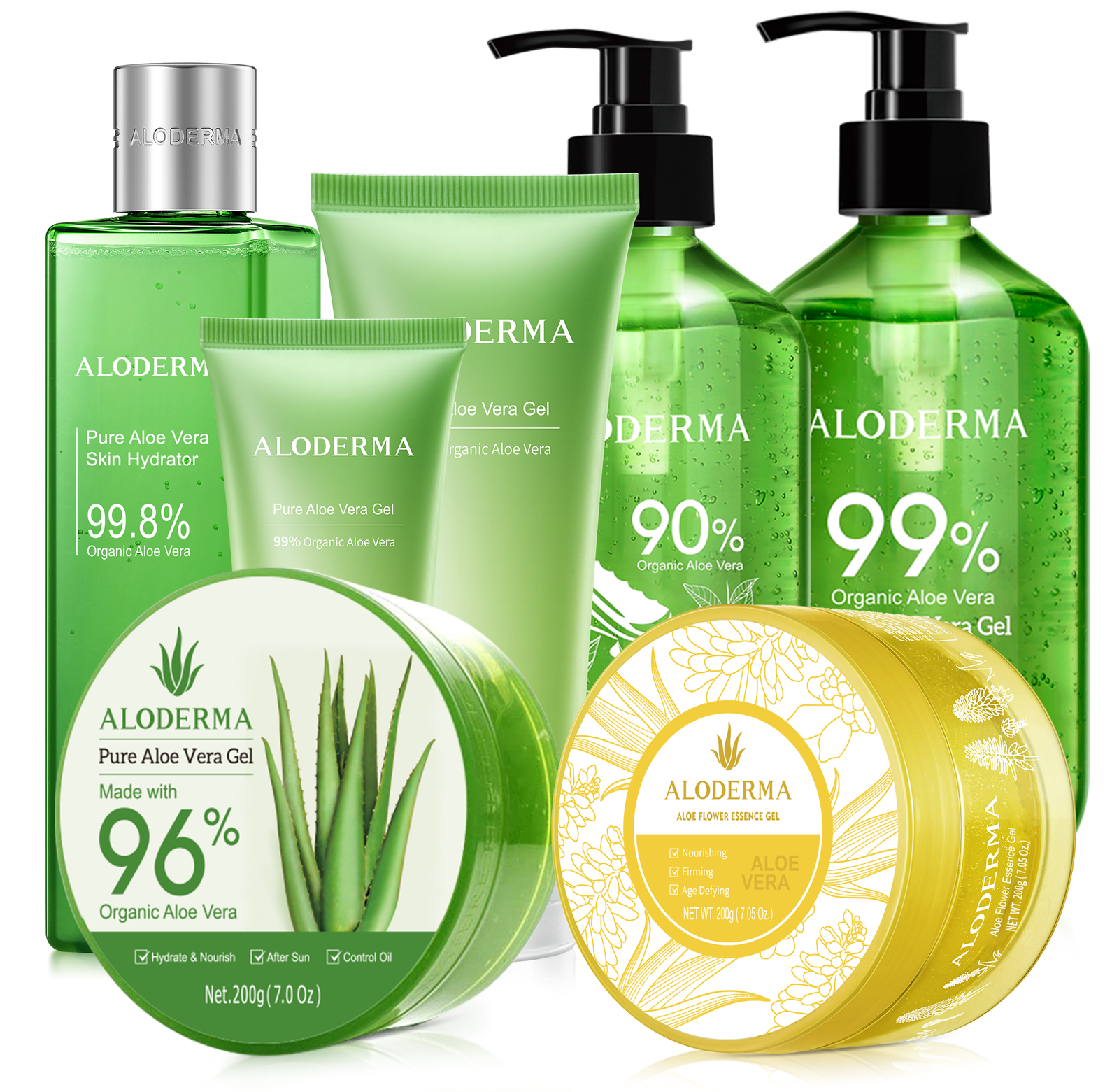
Ingredient lists can look like a chemistry class, but the useful names are usually easy to spot once you know what they feel like on skin. Fresh aloe vera sits at the center of a lot of good hydrating formulas because it brings a cushioned, refreshing feel, and Aloderma is a fully vertically integrated aloe vera company that grows its own organic aloe vera and processes and manufactures onsite within 12 hours of harvest so the primary ingredient in every product is as bioactive as possible. For a deeper ingredient walk-through, pure hyaluronic acid is a helpful companion read.
The core names worth knowing
Fresh aloe vera is the ingredient that often changes how a mask feels on first contact. It brings a light, soothing slip without the heavy finish that makes some masks feel greasy, which is why it works so well in formulas meant for comfort and moisture support.
Hyaluronic acid is the classic humectant, the ingredient that draws water into the top layer of skin. If you want a simple ingredient guide beyond skincare, the NexiHerb LLC explanation of glucosamine, hyaluronic acid, chondroitin, and MSM shows how often this molecule shows up in hydration-focused formulas.
Glycerin is the everyday workhorse. It's quiet, dependable, and especially useful when you want a mask to feel comfortable without a sticky finish.
The support ingredients that make hydration last
Panthenol helps a formula feel calmer and more cushiony on the skin. Niacinamide is useful when you want hydration support that doesn't feel heavy, especially in routines for oily or blemish-prone skin. These ingredients don't all do the same job, which is exactly why good masks combine them instead of relying on one trendy headline ingredient.
How to read a formula without getting lost
- Look for aloe high in the list: That usually means the formula is built around it instead of treating it like flavoring.
- Scan for humectants: Hyaluronic acid and glycerin tell you the mask is meant to pull water in.
- Check the supporting ingredients: Panthenol and niacinamide help the formula feel more balanced and wearable.
A formula led by fresh aloe feels different from one that uses aloe as a decorative afterthought. The first usually feels lighter, more immediate, and more skin-friendly in the moment you're trying to calm down tightness.
Sheet Masks Versus Hydrogel Masks and What Each Does Best
Format changes the result more than most shoppers realize. Two masks can share the same headline ingredient and still feel completely different on skin because one is a fibrous sheet and the other is a hydrogel. If you've ever wondered why one mask stays juicy and another starts to feel tired halfway through, the answer lives here.
The wet-contact question
Hydrogel-style masks are engineered as cross-linked polymer networks, which helps them hold water more efficiently than fibrous sheet formats. One industry analysis cites >95% water retention for up to 30 minutes under controlled humidity, while cotton or viscose sheets can absorb 30 to 40% of their own weight in serum but start drying within 5 to 7 minutes of air exposure (analysis). The practical takeaway is simple, hydrogel holds the wet phase longer, while a sheet mask asks you to move quickly.
| Feature | Sheet Mask | Hydrogel Mask |
|---|---|---|
| Wet-contact feel | Fast and immediate | Longer-lasting and more cushioned |
| Moisture retention | Starts drying sooner in air | Holds water more efficiently |
| Best use case | Quick reset before plans | Longer infusion and calmer wear |
| Texture | Lightweight fabric feel | Jelly-like, contoured feel |
| Routine fit | Easy, fast, familiar | Better for a more relaxed treatment window |
Who each format suits
A sheet mask fits the “I need this before dinner” moment. A hydrogel mask fits the “my skin feels wrung out after travel” moment. Neither one is wrong, they just solve slightly different problems.
Practical rule: if you'll be moving around, choose the format that stays damp longer. If you want a fast, familiar reset, a sheet can still do the job well.
For a basic usage refresher, the step-by-step guidance in how to use sheet masks is helpful because technique matters just as much as the package. The right format is the one that matches your schedule, your skin feel, and how long you can realistically leave it on.
How to Match a Mask to Your Skin Type
Skin type changes what a mask should feel like. The same formula that feels luxurious on dry skin can feel too heavy on oily skin, and a rich cream mask can overwhelm someone who just wants a light hydration boost. The easiest way to choose well is to match texture, ingredient style, and fragrance level to how your face behaves day to day.

Sensitive and easily overwhelmed skin
Sensitive skin usually does better with simple formulas that feel soft the second they touch the face. Aloe-led masks are a smart fit here because they tend to feel comforting without needing a heavy fragrance load or a thick, occlusive finish. If a label reads like a perfume counter, skip it.
Oily or blemish-prone skin
Oily skin still gets thirsty. The mistake is assuming hydration has to mean richness, when a lightweight gel or sheet with hyaluronic acid, niacinamide, glycerin, or aloe often makes more sense. Major beauty coverage also warns that richer masks can feel too heavy on oily skin and that acne-prone users should avoid pore-clogging or fragranced formulas (beauty guidance).
Dry, mature, and combination skin
Dry skin usually likes creamier textures, especially when the goal is to soften that tight, papery feeling after a cold day or a long flight. Combination skin often does best with a flexible approach, something lighter on the T-zone and a little richer on the cheeks. If you're choosing from ingredient-led options, a product page on ALODERMA can help you compare aloe-forward textures without guessing from the front of the box.
For readers who want a concrete example, Aloderma's Aloe Hydrating Mask fits the kind of lightweight hydration many people with sensitive or oily skin look for. The label matters, but the texture matters just as much.
A Simple Routine for Using Hydrating Face Masks
A good hydrating-mask routine feels simple because it respects how skin works. Start with clean skin, give the mask enough contact to do its job, then finish with moisturizer so the water-rich layer does not disappear right away. The biggest mistake is leaving a mask on until it dries and starts tugging at the face, like a paper towel that has already soaked up everything it can.

The order that works
- Cleanse so the mask can sit evenly on the skin.
- Tone, if you want to. This is optional, not required.
- Apply the mask and smooth out air bubbles so the material hugs your face.
- Remove it on time. Sheet-mask research shows that short wear can improve hydration and calm visible redness, while leaving a mask on too long can work against that comfort, especially once the material starts drying out (study).
- Seal with moisturizer so the water the mask delivered has a better chance of staying put.
The timing rule that saves your barrier
That last step matters more than it sounds. A 2022 study found that facial mask use could temporarily worsen hydration balance, while a daily moisturizer helped maintain two-fold more hydration (study). In plain language, the mask gives your skin a quick drink, and moisturizer helps keep that water from slipping away once the mask comes off.
Don't wait for the mask to feel dry. Take it off while it still feels comfortably wet, then press the remaining serum in with clean hands.
A practical rhythm is two to three times per week for most skin types. That gives you steady hydration without turning the step into something your skin has to recover from. If you like making the bathroom ritual feel a little more intentional while you wait, styling candles in your bathroom can set the mood without changing the skincare logic.
The Hydrating Mask Myths Worth Letting Go
A lot of mask advice sounds confident, but it falls apart once you look at how skin behaves. The myths that cause the most trouble are easy to spot, and once you see them clearly, they are also easy to replace with better habits.
Myth one, longer wear always means better hydration
Longer wear does not automatically mean better hydration. A sheet mask works within a useful window, then it starts to change character as the material loses moisture and can begin to feel less comfortable on the skin. If the mask is left on after that point, it can work against the fresh, hydrated feel people are usually trying to get.
The better rule is simple. Keep the mask on while it still feels comfortably wet, then remove it before it dries into a tight layer on your face.
Myth two, oily skin doesn't need hydration
Oily skin can still feel tight, look dull, and get irritated after harsh cleansing. That often shows up after a long day, after a flight, or during a dry winter week when the skin barrier is under more stress than the surface shine suggests. In those moments, lighter hydration is usually more helpful than stripping the skin further.
The trick is choosing a texture that suits the skin instead of skipping hydration altogether. A light, water-friendly mask can give oily skin the refreshed feel it needs without leaving behind a heavy finish.
Myth three, all hydrating masks behave the same
They do not. Ingredient order, freshness, and format change the experience in a very real way. A fresh aloe-led formula can feel cushioned and light, while a denser, richer mask may feel better on dry skin but too much on oily skin.
The label tells you the category. The ingredient list and format tell you the experience.
That is why shopping by front-of-box promises alone usually disappoints people. If you want consistent results, look for a formula that matches your skin type, your schedule, and the amount of moisture you want left on your face after the mask comes off.
Where Aloderma Fits Into Your Hydration Routine
Aloderma fits neatly into this topic because its aloe-forward formulas are built around fresh, organic aloe vera grown on the brand's own plantations, then processed and manufactured onsite within 12 hours of harvest. That matters for people who want hydration that feels light, clean, and easy to layer after a mask instead of heavy or greasy.

The broader lineup includes masks, gels, toners, serums, and creams that can sit naturally around a weekly hydrating mask. If you like to compare textures and ingredients directly, start with the product pages on ALODERMA and choose the format that matches how your skin feels after flights, sun exposure, or a cold, dry week indoors.
If you want to build a calmer hydration routine, explore ALODERMA and compare its aloe-led masks with the rest of the lineup. Choose the texture that fits your skin on its driest days, then keep the routine simple enough that you'll use it.