



You're standing in front of a bathroom cabinet, holding a half-used aloe bottle and wondering why some products feel soothing right away while others seem like watered-down filler. That question is exactly where organic aloe vera powder starts to make sense, because the ingredient is really about concentration, processing speed, and storage stability, not just “dried plant stuff.” When aloe is handled well, it becomes a practical form for skincare, haircare, and formulators who want aloe's familiar feel without the mess of fresh gel.
What Is Organic Aloe Vera Powder and Why It Matters
A sachet of organic aloe vera powder looks simple, but the ingredient behind it is more specific than a dried plant label suggests. Fresh aloe gel is mostly water, with the inner gel made up of about 99% water according to a recent review of the plant's composition, while the remaining solids carry the compounds people associate with hydration and skin comfort (Frontiers in Nutrition). Turning that gel into powder removes the bulk, reduces the mess, and gives formulators a form that is easier to measure and store.
Why concentration changes the whole conversation
Aloe powders are often labeled 100X, 200X, or 10:1, which tells you the powder represents a much larger amount of fresh aloe material (Knowde product listing). That is why it helps to stop treating powder as a basic dehydrated ingredient. It is a concentrated cosmetic raw material, made to carry aloe's familiar humectant feel into products where consistency, batch control, and shelf stability matter.
A plain comparison makes the point clearer. Fresh gel is like fruit juice straight from the source, while powder is the pantry version, concentrated and easier to keep, but still dependent on how it was handled at the start. If the aloe is processed well, the powder can fit neatly into skincare and haircare formulas. If the processing is slow or rough, the finished powder may feel flat and less lively in use.
Practical rule: the core question is not whether aloe appears on the label, it is how fresh the aloe was when processing began and how much concentration the finished powder actually carries.
That is also why harvest timing matters so much. A supplier such as Aloderma emphasizes a short farm-to-factory window, which matters because aloe starts changing once it is cut. Faster processing gives the ingredient a better chance of holding on to the qualities formulators want, and it is one reason certification details deserve a close look. If you want a plain example of how certification language can affect trust, read our Swiss pharmacy guide and compare how ingredient labels signal quality instead of just sounding clean.

The broader market shows that this ingredient sits inside an active supply chain, but the label still does not tell you everything about what is in the jar. Independent market research places the aloe vera extract market at USD 2.26 billion in 2026 with a projected rise to USD 3.15 billion by 2031 at a 6.82% CAGR. A separate report projects the global aloe vera products market at US$ 1,049.3 million in 2025 and US$ 1,676.8 million by 2033 at a 6.02% CAGR. Those figures do not make every powder equal, they only show why buyers should pay attention to concentration, freshness, and the way the ingredient was processed before it ever reached a shelf.
For shoppers comparing products, certification language can help separate marketing from manufacturing. A useful reference is Aloderma's guide to Ecocert organic certification, because it shows how organic claims are tied to process, not just a leaf icon on the front of the pack.
How Organic Aloe Vera Powder Is Made and Certified
Two powders can look almost identical on a label and still act very differently in a formula. The split usually starts before the powder exists at all. Aloe is typically harvested as spears, washed, filleted to isolate the inner gel, filtered, concentrated, and then dried by freeze-drying or spray-drying to remove water and leave a shelf-stable ingredient (Fortune Business Insights reference).
What the drying method changes
Freeze-drying works under gentler conditions, so suppliers often prefer it for cosmetic grades where soluble solids and handling feel matter. Spray-drying can still be useful, but it may leave a less delicate sensory profile. A simple comparison helps here. Freeze-drying preserves the character of fresh coffee before heat flattens it, while a harsher drying step can leave a more muted result.
That difference shows up in the product specs buyers read. One supplier describes aloe powder as 200 times concentrated, while another lists a 100X powder (praan naturals spec sheet, 12Taste product sheet). That ratio explains why finished products usually use very small amounts and why the powder is treated as a functional active rather than a bulk filler.
Practical rule: a higher concentration ratio can improve payload efficiency, but it also makes balance in the formula more important.
What the certifications actually tell you
Organic and natural labels do not mean the same thing. A supplier sheet notes certified organic status under recognized standards such as Ecocert Greenlife/COSMOS. Another industry source describes organic aloe as certified under ECOCERT, USDA, and EU Organic frameworks in branded formulations. Those marks tell you something useful about farming and processing, but they do not guarantee that every finished blend will be well made.
That is why sourcing transparency matters. A brand can use an organic aloe ingredient and still build a formula that is too thick, too dilute, or poorly preserved. For a closer look at how certification language connects to process, see the ECOCERT organic certification guide.
Time after harvest matters just as much as the paperwork. A vertically integrated aloe company that grows its own aloe and processes it within 12 hours of harvest has a very different raw-material story from a brand buying older powder from a distant supplier. Quick handling helps keep the inner-gel profile closer to what formulators want, which is one reason freshness at harvest can matter as much as the final drying method.

Skincare and Haircare Benefits With Honest Evidence
Aloe's value starts with the inner gel, not with a shiny label. That gel contains polysaccharides, amino acids, enzymes, and minerals such as zinc, and those compounds are part of why aloe is associated with hydration and skin barrier support. The polysaccharides help the ingredient hold water on the skin's surface, which is why aloe is often described as a humectant. The same basic idea shows up in ingredient-focused product discussions, including this look at what is aloe vera good for.
What the evidence supports best
The clearest practical use for aloe is hydration and soothing after minor skin stress, especially when it is used topically. A medical review says topical aloe gel or extract is generally considered safe for mild to moderate skin use, and the evidence is stronger for burn wound support than for many broader claims (NCBI Bookshelf review). Another review notes that aloe's key compounds are linked to antioxidant and skin-protective effects, while the overall evidence still varies across many uses (PMC review).
That is the middle ground most readers need. Aloe is not a miracle ingredient, and it is not empty either. It has a sensible place in cleansers, masks, toners, and moisturizers where a gentle, water-binding ingredient fits the formula.
A useful buying question is simple. Is aloe the main active, or is it only there in a supporting role? If you want examples of aloe-led product types, browse ingredient-first formulas in what is aloe vera good for and compare how the formulas are built, not just what the front label promises.

Haircare follows the same logic, with a different feel on the hair. Aloe powder can work well in rinse-off conditioners and masks when you want slip, light moisture, and a softer finish without heavy buildup. That can suit fine hair, or any formula that needs to stay lightweight.
Freshness matters here too. A powder made from aloe that was handled quickly after harvest is more likely to keep the profile formulators are trying to preserve. A process that moves from farm to factory within a short window is not just a branding detail, it affects the starting material before drying and milling ever begin.
The video below gives a useful visual on how aloe is often thought about in everyday routines.
DIY Formulation Ratios Solubility and Safe Handling
A good home formula starts with respect for concentration. If you're using a 100X powder, 1 gram of powder roughly represents 100 grams of fresh gel in raw-material terms, which is why small amounts go a long way. A 200X powder is even more concentrated, so your total usage should stay lower unless the supplier gives a very specific formula direction.
A simple starting table
| Formula Type | Powder to Water Ratio | Typical Use Level in Final Product | Notes |
|---|---|---|---|
| Light toner | A pinch to a small measured amount per cup of water | Low | Keep the blend thin and easy to mist |
| Rinse-off hair rinse | Small amount in a larger water base | Low to moderate | Aim for slip, not thickness |
| Face mask base | Small amount mixed into gel or clay | Low | Avoid making it sticky or heavy |
| Water-glycerin blend | Modest powder loading in a liquid base | Low | Good for beginner testing |
Aloe powder dissolves best in warm water, not boiling water. Heat helps it hydrate more evenly, but too much heat can be rough on sensitive compounds and can make the mix behave badly. Give it a few minutes to fully wet out, then stir again before judging the texture.
Practical rule: if the mix looks lumpy, don't assume the powder is bad. It often just needs more hydration time.
pH and preservation matter more than most DIY guides admit
Finished aloe formulas usually live in a pH range of 4.5 to 6.5, and a simple pH strip is enough for a home check when you're making small batches. Preservation matters even more. The powder itself is shelf-stable, but once you add water, the blend needs a broad-spectrum cosmetic preservative or a very short refrigerated life.
For small DIY batches, that often means only 1 to 2 weeks in the fridge, depending on the formula and how cleanly it was made. That's not a scare tactic, it's just the reality of water-based blends. A clean scoop, clean bowl, and clean bottle matter a lot.
Safety note: patch test on the inner forearm before you use any new aloe mix on your face or scalp, and don't leave a wet mask on longer than the formula was designed for.
Powder vs Fresh Gel Which Form Works for You
Fresh aloe gel feels immediate. It has a cooling, watery slip that many people love right away, especially after a shower or on a dry-feeling day. Powder brings a different advantage, it's stable, portable, and easier to dose precisely.
Side-by-side trade-offs
| Factor | Organic Aloe Vera Powder | Fresh Aloe Gel |
|---|---|---|
| Shelf life | Long when stored well | Short and fragile |
| Convenience | Travel-friendly, easy to weigh | Needs preparation and care |
| Processing | Depends on drying and concentration | Closest to the living plant |
| Formula control | Easier to standardize | More variable from leaf to leaf |
| Skin feel | Depends on reconstitution and blend | Often feels instantly watery |
The best analogy is simple. Fresh gel is like using fruit from your own garden the day you pick it. Powder is like a very well-made concentrate that can still deliver the essence if the raw material was handled properly.
That “if” matters. Fresh aloe can spoil quickly and usually needs refrigeration, while powder gives you more room for storage and shipping. But powder also adds processing variables, which means a bad powder can't be rescued by the label alone.
Fast handling becomes the bridge between the two forms. A vertically integrated aloe operation that processes within 12 hours of harvest reduces the gap between fresh plant and finished formula, which is why some gel, toner, serum, mask, and moisturizer lines can feel closer to fresh aloe while staying shelf-stable. For a deeper comparison, the internal guide on dried aloe vs natural aloe gel is worth a look.

Storage Shelf Life and What to Check Before You Buy
Aloe powder is hygroscopic, which means it pulls moisture from the air. That simple property explains most storage mistakes. Keep the container tightly sealed, in a cool, dry place, and watch for clumping or color changes. Those are often the first clues that humidity has slipped in.
A useful way to judge powder quality is to compare it with flour or instant drink mix. Both can stay stable on the shelf, but only if air and water are kept out. Aloe powder works the same way, except the risk is greater because the compounds people want are easier to lose if the ingredient was not handled well from the start.
What shelf life really means
A properly stored organic aloe powder can have a 2-year shelf life without refrigeration according to a supplier specification from praan naturals spec sheet. That statement applies to the dry powder, not to a DIY liquid you mix at home. Once water is added, the clock changes quickly.
A second supplier spec sheet for a freeze-dried aloe powder makes the same basic point about dry storage stability. The exact number on the label matters less than the conditions behind it, because heat, humidity, and poor sealing shorten usable life in real kitchens and labs alike.
A smart buyer's checklist is simple:
- Aloin-free status: processors often aim to limit aloin in cosmetic-grade aloe because it is one of the compounds quality control watches closely (PMC review).
- Third-party testing: look for evidence that the ingredient was checked beyond the supplier's own marketing sheet.
- Heavy metals and microbes: these matter because dry powders can still carry contamination if sourcing is sloppy.
- Polysaccharide standardization: this helps you know whether the powder is functionally consistent from lot to lot.
- Clear organic certification: ECOCERT, USDA Organic, or EU Organic labeling should be easy to find, not buried.
Freshness at harvest still matters even after dehydration. A powder made from aloe that moved quickly from farm to processing has a better chance of keeping the bioactives people expect than one made after a long delay. That is why a short farm-to-factory window is more than a marketing line, it is part of quality control.
Good sourcing also means good transparency. Ingredient dictionaries, product pages, and plain-language explanations help shoppers compare options without guessing. That standard matters whether you are buying raw ingredient powder or a finished cosmetic.
Buyer's shortcut: if the label is vague about concentration, certification, or purity testing, treat the price and the promise with the same caution.
Frequently Asked Questions About Organic Aloe Vera Powder
How can I tell if a powder is really organic? Look for the actual certification body, not just the word organic on the front. ECOCERT, USDA Organic, and EU Organic are the kinds of marks that tell you the farming and processing were checked.
Is aloe powder safe around the eyes or on sensitive skin? Aloe is often well tolerated topically, but the eye area is delicate, and even gentle ingredients can sting. Patch test first, keep formulas simple, and use products made for that zone instead of improvising a strong DIY mix.
How do I know if a reconstituted mix has gone bad? If the smell changes, the texture gets ropey or cloudy, or the color shifts noticeably, discard it. Water-based DIY aloe doesn't behave like the dry powder on the shelf.
Can I use aloe powder and aloe gel in the same routine? Yes. Many people use powder in a rinse-off blend or homemade toner and then follow with a ready-made gel or lotion for a more structured routine.
If you want the convenience of finished formulas, look for aloe-led products such as pure gels, toners, sheet masks, and moisturizers from brands that disclose sourcing and certification clearly. The central idea stays the same, organic aloe vera powder is only as good as the freshness, concentration, and handling behind it.
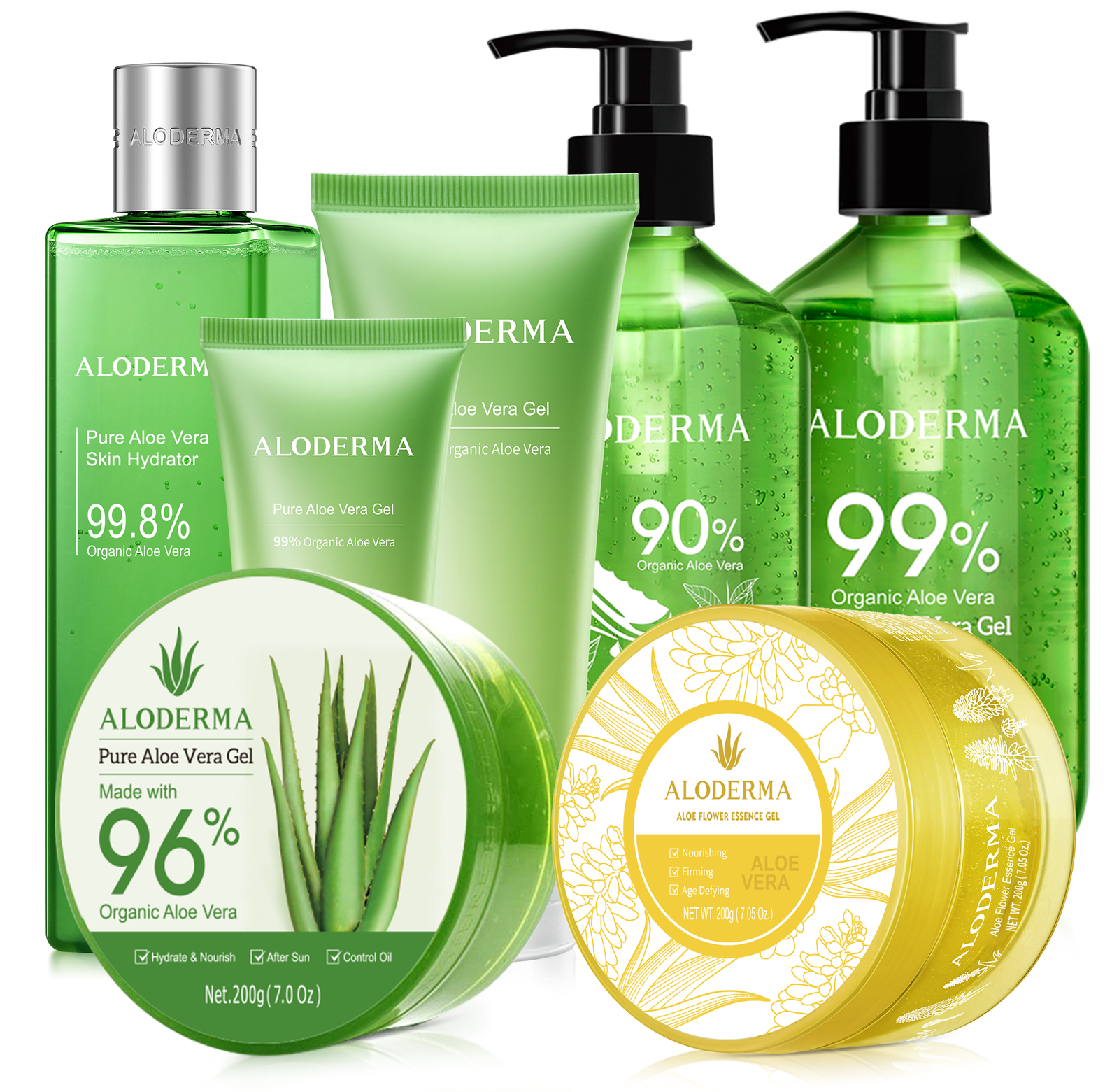
ALODERMA makes it easier to choose aloe products that start with fresh, organically grown aloe and stay focused on gentle hydration from field to formula. If you want ready-made aloe gels, toners, masks, and creams built around that freshness-first approach, visit ALODERMA and explore the lineup for yourself.