





You know the morning move, serum, moisturizer, then a separate sunscreen that sits on top, pills under makeup, and makes you wonder why a simple routine takes three products and so much patience. An organic face cream SPF changes that rhythm. It can hydrate, help support a smoother finish, and give you daily UV protection in one step, which is exactly why more shoppers are paying attention to this category now.
The broader organic personal care market gives that shift some context. Grand View Research estimated the global market at USD 21.82 billion in 2022 and projected it to reach USD 44.77 billion by 2030, with a 9.4% CAGR from 2023 to 2030, driven in part by consumer concerns about irritation, dryness, and dullness from chemical ingredients. For a shopper standing at the sink, that doesn't just sound like market growth, it explains why a daily cream with SPF has become a practical choice, not a novelty. A good formula can fit into a real routine, not fight it, and that's where organic SPF starts to matter.
Why Organic SPF Now Belongs in Your Morning Routine
The old routine was simple on paper and annoying in practice. You'd apply your moisturizer, wait a minute, then add sunscreen and hope the layers didn't lift each other off your skin. If you wear makeup, the problem gets worse fast. A single organic face cream SPF can reduce that friction by combining hydration and protection in one texture that's easier to spread evenly.
Why shoppers are moving toward one-step creams
The appeal isn't just convenience. It's also about how skin feels after application. Grand View Research ties the growth of organic personal care to worries about ingredients that leave skin feeling dry or irritated, which helps explain why people keep searching for formulas that feel gentler in daily use. When a product is designed as both a face cream and a sunscreen, it has to do two jobs well, and that's what makes the category so interesting.
Practical rule: If your sunscreen routine keeps getting skipped because it feels heavy, chalky, or messy, a cream base is often the difference between “I own it” and “I actually use it.”
That's also why eye care belongs in the same conversation. If you're building a morning sun strategy, it makes sense to think beyond the face and choose eyewear with solid UV coverage, like this guide to choose eyewear with solid UV coverage. Sunscreen and sunglasses solve different parts of the same problem, and both matter when you're outside often.
Organic face cream SPF is no longer a niche shelf filler. It sits inside a fast-expanding category where the shopper expectation is changing, from “Can I tolerate this?” to “Can I wear this every day?”
What Organic Actually Means on a Face Cream with SPF

“Organic” on a face cream isn't a mood. It's a sourcing and certification framework, and that matters because sunscreen shoppers often assume the front label tells the whole story. Typology explains that for a cosmetic item such as a sunscreen to be considered organic, it must contain at least 95% naturally derived ingredients, 95% of botanicals from organic farming, and at least 20% organic ingredients overall. That's a useful baseline, but it's not the same thing as saying every ingredient in the jar is organic.
The water question people keep missing
Most cosmetic formulas are often 70% to 80% water, so a fully certified organic formula can still contain non-organic water or mineral components. This isn't a loophole; it's how creams are built. A face cream has to spread, emulsify, feel pleasant, and stay stable, which means the label often reflects the formula's sourcing rules rather than an illusion of 100% organic content.
The other point Typology makes is just as important, UV protection depends on SPF and UVA-PF, not on the organic label itself. That's why certification and performance live in different lanes. One tells you how the formula is sourced and processed. The other tells you what the sunscreen does on skin, after regulated testing.
If you're comparing seals, think of them as standards, not slogans. ECOCERT, USDA Organic, and EU Organic exist to verify the organic claim in different regulatory contexts, while the SPF label is the evidence that the product has been tested for sun protection. That split helps clear up a common confusion at the shelf, organic doesn't automatically mean weak, and mineral doesn't automatically mean untested.
For a broader brand-level explanation of how organic skincare is framed, this overview on organic skincare products is a useful companion read.
Mineral vs Chemical UV Filters in Organic Formulas

A good SPF face cream starts with a simple question, how does the filter protect skin? Mineral actives such as zinc oxide and titanium dioxide sit on the skin and help block UVA and UVB rays, while chemical filters absorb UV and convert it to heat. For an organic face cream SPF, mineral filters usually fit the brief better because they match cleaner ingredient stories and give shoppers a formula that is easier to read at a glance.
Why mineral formulas dominate organic face creams
Mineral SPF has a practical drawback, texture. Older formulas could feel chalky, heavy, or difficult to spread, and that often led people to apply too little or stop using the product altogether. Modern organic face creams try to solve that with better emulsions and supporting ingredients such as hyaluronic acid or botanical hydrators, so the cream spreads more evenly and feels more comfortable on daily wear.
A thin, even film matters more than a perfect claim on the front label.
That matters because sunscreen only works well when it is applied consistently and in a uniform layer. If a formula drags on skin, people tend to skip areas around the nose, jaw, or hairline, and those missed spots can leave the face unevenly protected. A smoother texture helps the routine stick, which is part of why mineral SPF remains a strong choice in organic formulations.
A broad-spectrum label matters here too. It tells you the sunscreen is formulated and tested to protect against both UVA and UVB rays, which is the kind of detail a face product should always earn. For a closer look at how mineral and chemical filters compare in practice, browse SPF face creams at Healtsy offers a straightforward overview of the tradeoffs.
Some mineral formulas also appeal to shoppers who care about reef-friendly positioning and simpler sourcing. Non-nano zinc oxide often comes up in that conversation, especially in products that aim to feel gentle, wearable, and easy to keep in a morning routine. If you want to see how a face moisturizer with SPF is framed in a broader formula context, this guide to face lotion with SPF is a useful companion read. The filter choice shapes both texture and daily compliance, because a face cream you enjoy using is the one that stays in rotation.
How to Read the Label on an Organic SPF Face Cream
The front of the jar is marketing. The back of the jar is where you find out what you're really buying. A cream can be described as natural, mineral, or reef-friendly and still hide details that matter, so the first move is to check both the active and inactive ingredient lists. That's where you find out whether the formula is mineral, how much fragrance it uses, and whether the product is built for your skin type.
What to verify before you trust the claim
A natural-looking face moisturizer with SPF may still contain inactive chemical filters or other ingredients that change how it wears. That's why claims like “mineral-inspired” or “nature-derived filters” should make you pause. They're not the same as a clear mineral formula. A shopper who wants certainty needs to confirm the actives, not just the branding.
| Common Label Claims and What They Actually Mean | ||
|---|---|---|
| Claim on the Jar | What It Suggests | What to Verify |
| Broad-spectrum | Protects against both UVA and UVB | Look for the exact broad-spectrum label |
| Mineral | Usually points to zinc oxide or titanium dioxide | Check the active ingredients list |
| Reef-friendly | Suggests a more ocean-conscious formula | Confirm the full active ingredient list |
| Natural | Implies plant-forward or less synthetic positioning | Verify whether it's actually certified organic |
| Mineral-inspired | Sounds mineral, but doesn't guarantee it | Read the actives and inactives carefully |
SPF itself is a UVB measure, not a full picture of protection. A broad-spectrum label fills in the rest of that story. That's why the ingredient panel and the protection panel both matter, one tells you what's in the cream, the other tells you what it's designed to do.
If you want a quick mental shortcut, this is it. Front label for positioning. Back label for proof. That habit saves a lot of confusion, especially online where product pages can blur the line between clean beauty language and formula facts. The more polished the marketing, the more important it becomes to inspect the ingredient list line by line.
Why the Freshness of the Primary Ingredient Changes Everything
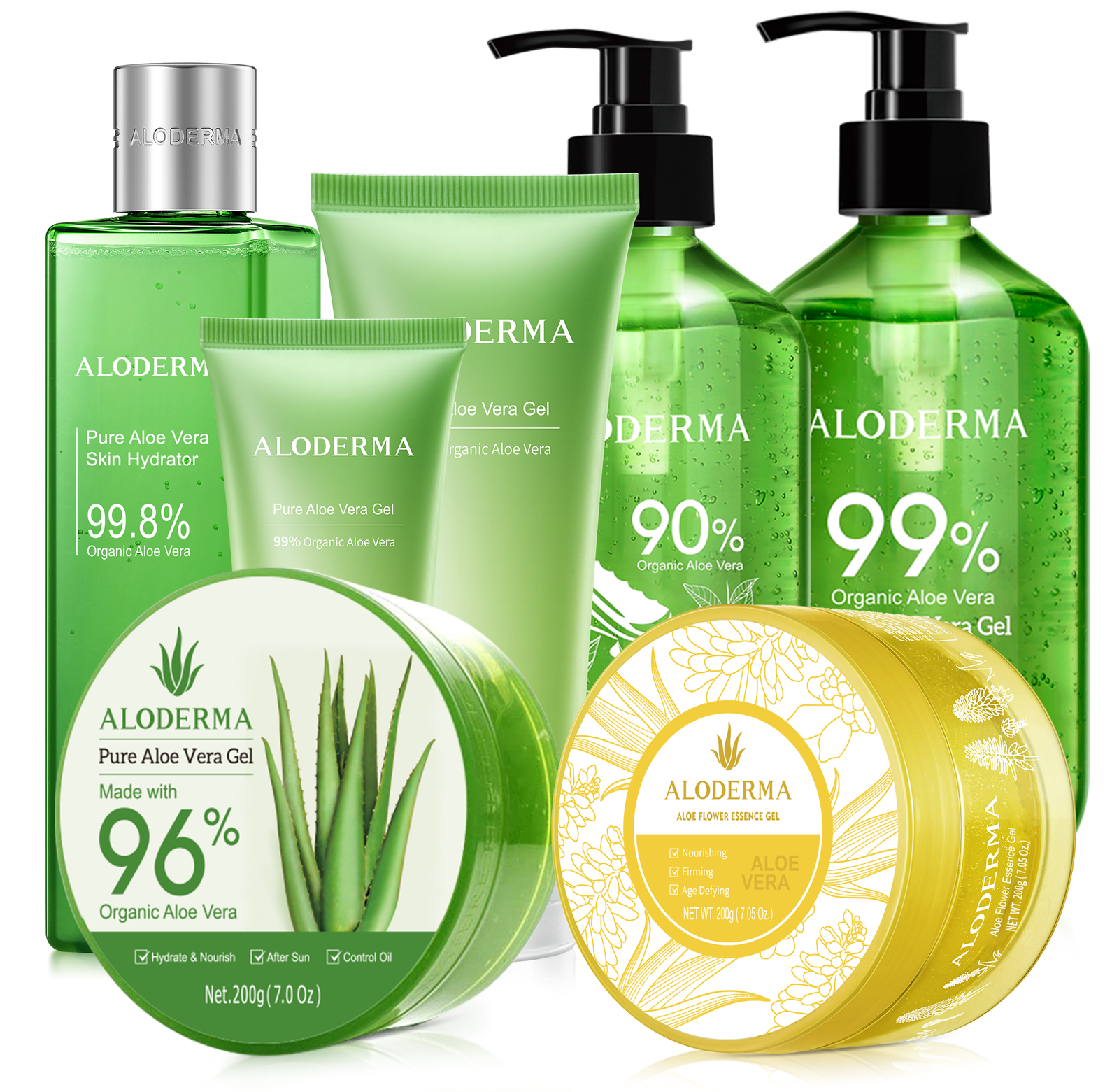
Freshness is the part of organic SPF most guides skip. They may tell you whether a formula is certified, but not whether the main botanical was handled in a way that preserves the feel and character shoppers are paying for. ALODERMA is a clear example because it is a fully vertically integrated aloe vera company that grows its own organic aloe vera and processes and manufactures onsite within 12 hours of harvest. The idea is simple, the brand's primary ingredient reaches the jar while it is still as bioactive as possible.
What vertical integration changes on skin
On a face cream, that difference usually shows up in texture and comfort. Fresh aloe tends to support a lighter, more fluid feel, which matters in an SPF cream because the user already has enough to think about, blending, wear, and reapplication. When the primary botanical is handled quickly and traceably, the formula can feel more unified, instead of like a stack of ingredients gathered from unrelated suppliers.
Sourcing also helps explain why some organic creams feel easier to use every morning. They are not trying to do too much. They start with a clear botanical base, then balance that base with the sunscreen system and the rest of the formula. A good face cream SPF should disappear enough to be wearable, while still feeling like it did something useful for the skin.
Freshness is not only a texture story. It is also a sourcing story, because the closer a botanical is kept to harvest and processing, the easier it is to understand what ended up in the jar and how it was handled along the way. That is where ALODERMA's sensitive skin moisturizer with SPF can be a helpful reference point for shoppers who want to compare a formula built around aloe with one built around a more generic blend.
If you want to look at the ingredients more closely, the brand's product pages and ingredient dictionary are practical places to start. The point is not brand praise. It is traceability, because traceability lets a shopper judge freshness instead of guessing.
Applying and Reapplying Organic SPF Across Skin Types

The most elegant formula in the world won't help much if it's under-applied. Independent formulation guidance notes that SPF products need to be applied at the test dose used in standard sunscreen evaluation, and under-application is a major reason protection ends up lower than the label in actual use. That's why a spreadable moisturizer base matters, it helps create a more even film across the face and neck.
A simple daily method
The easiest way to think about amount is the finger-tip rule. Use two finger-lengths of product for the face and neck, then smooth it on evenly before makeup. Mineral formulas usually need a little time to settle into place, so let the layer sit for about 15 minutes before you head out. If you're layering makeup, that wait helps keep the finish more stable.
Practical rule: Reapply every 2 hours outdoors, and sooner after swimming, sweating, toweling, or any friction from a mask or sunglasses.
Skin type changes the feel of the routine, not the need for protection. Oily or combination skin may prefer a thinner, lighter layer with oil-balancing hydrators. Dry skin usually does better with richer cream textures. Sensitive skin tends to benefit from patch-testing along the jawline before using a new face SPF all over.
If you want to see how a gentle moisturizer with SPF can be folded into a simpler routine, this ALODERMA guide to sensitive skin moisturizer with SPF is a helpful product-level reference. A face cream with SPF should sit after serums and before makeup, then get refreshed during the day if you're outside. That's the routine that makes the label useful in real life, not just in theory.
Three Myths That Trip Up Organic SPF Shoppers

The first myth is that higher SPF is always better. In practice, the gap is smaller than many people expect. SPF 15 gives about 93% UVB blocking, SPF 30 about 97%, and SPF 50 about 98%, according to Food Revolution's explanation of sunscreen labeling. That means the jump from SPF 30 to SPF 50 is only a 1% increase in UVB blocking, which is useful context when you're choosing a face cream you'll wear every day.
The three assumptions worth dropping
The second myth is that mineral SPF has to feel chalky. That used to be true more often than it is now, but modern non-nano zinc formulas can be paired with humectants and aloe-based hydrators that make the cream much easier to live with. If a mineral product still feels heavy, it usually says more about that formula than about mineral sunscreen as a category.
The third myth is that organic automatically means weaker protection. It doesn't. Organic certification governs sourcing and processing, while SPF and broad-spectrum claims govern tested sun protection. Those are different questions, and the smartest shoppers keep them separate.
Bottom line: A product can be certified organic, feel elegant, and still deliver meaningful daily protection, but only if you read both the organic claim and the SPF claim with equal care.
There's also a quieter mistake people make, they assume all “natural” or “mineral” face moisturizers are fully mineral once they see the front of the tube. They're not. That's why ingredient-list literacy matters so much. Once you stop treating the label as a shortcut, the product aisle gets less confusing and a lot more usable.
Your Quick Decision Checklist Before You Buy
You can sort a good organic face cream SPF by checking three things in order. Start with the certification language and look for seals such as USDA Organic, ECOCERT, or EU Organic, then read the ingredient list to see whether the formula matches the natural-ingredient thresholds the brand claims. After that, look for sourcing transparency around the hero botanical, because freshness is not just a marketing word here, it changes how the cream is made and how it feels on skin. Last, choose a texture that suits your skin, since the formula you will wear every morning matters more than the one that sounds impressive on the box.
A short shelf test
- Check the certification: Read the label language first, then confirm what the seal covers in the ingredient list.
- Check the source story: Look for farm-to-jar details, ingredient pages, and clear processing timelines that show how the botanical moves from harvest to jar.
- Check the wear: Oily skin often does better with a lighter finish, dry skin may prefer a richer cream, and sensitive skin usually responds well to fragrance-light formulas.
Fresh botanical sourcing matters because a plant ingredient can lose the bright, clean feel shoppers expect if the supply chain is vague or slow. Aloe is a good example, since a fresh, traceable aloe base can support a more pleasant daily wear experience than a formula built around generic filler language. That is why source transparency deserves the same attention as the SPF number.
If you want to compare aloe-forward routines and product formats, browsing directly at ALODERMA is a sensible next step. You can also use the brand's ingredient pages and skin care quiz to narrow down what fits your routine without guessing. The best buy is usually the one that reads clearly, feels good on your skin, and matches the way you already get ready in the morning.
If you are ready to simplify your morning routine, compare the face cream options, read the ingredient pages before you buy, and keep the checklist in mind while you shop. The right organic face cream SPF should feel straightforward on the shelf and comfortable on your skin, and that is the standard worth holding every product to.