



Choosing the right organic skincare for sensitive skin is a deeply personal act of kindness to yourself. It’s a decision to put pure, gentle ingredients on your skin that work with it, not against it, bringing a sense of comfort and visible calm.
Why Organic Skincare Is a Game Changer for Sensitive Skin
If you've ever dealt with a reactive complexion, you know the frustrating search for products that don't cause irritation. You’ve probably felt the sting of a new cream or the tight, dry feeling from a harsh cleanser, leaving you feeling defeated.
This is where organic beauty offers a peaceful alternative. It’s all about getting back to basics and trusting the power of ingredients grown as nature intended.
Think of your sensitive skin like a delicate garden. For it to truly thrive, it needs pure, nourishing "food" free from the synthetic chemicals, pesticides, and artificial fragrances that can throw its natural balance out of whack. Organic skincare provides exactly that—clean, potent botanicals that respect your skin’s integrity.
The Power of Farm-to-Skin Freshness
The heart of effective organic skincare is the quality of its ingredients, and nothing beats freshness. This isn’t just a niche interest; the global organic skincare market is projected to hit around USD 27-28 billion by the early 2030s. You can explore more on the rise of natural beauty at Polaris Market Research.
This is where ALODERMA’s commitment to purity really comes to life. We are a fully vertically integrated company, which means we manage every single step of the process—from our very own organic aloe vera farms to the final product you hold in your hand. This creates a special, direct connection between you and the source of your skincare.
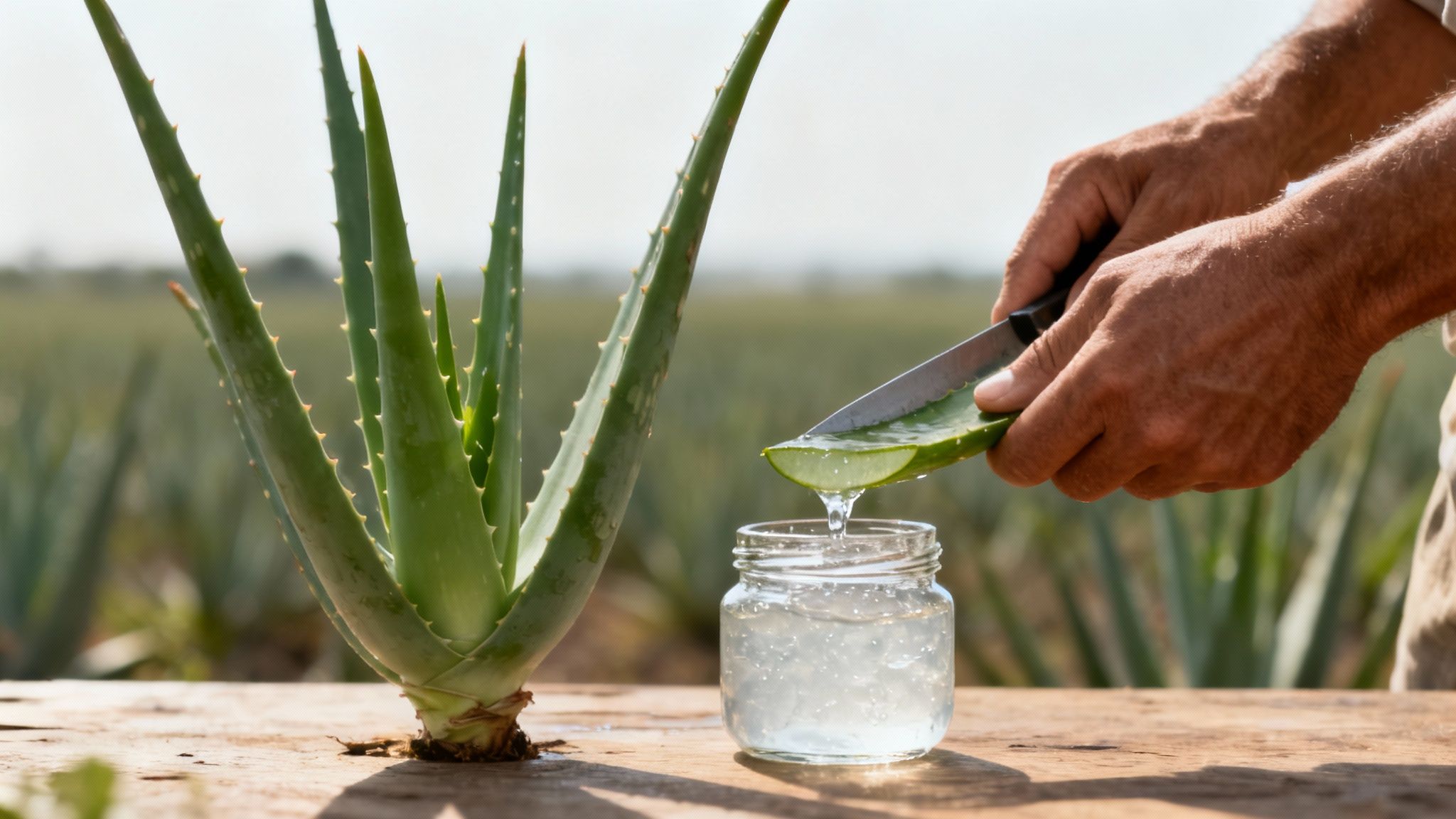
We grow all of our own organic aloe vera and process our aloe vera and manufacture onsite within 12 hours of harvest to ensure the primary ingredient found in every one of our products is the most bioactive and effective aloe vera possible.
Imagine the difference between a freshly picked apple and one that’s been sitting in storage for weeks. One is bursting with life and nutrients, the other is not. We apply that exact same logic to our skincare. By capturing the aloe’s vitality at its absolute peak, we deliver unparalleled soothing and hydrating properties straight from our fields to your face.
This "farm-to-skin" promise means you can feel confident and secure in what you’re putting on your skin. It’s not just about what we leave out; it’s about embracing the pure, gentle potency of nature to help your sensitive skin feel comfortable and cared for, every single day.
Learning to Read Your Sensitive Skin's Signals
Sensitive skin isn't some catch-all category; it’s a quiet language your body speaks, and it's unique to you. The first step toward finding real comfort and a healthy glow is simply learning to understand what your skin is trying to tell you. Think of yourself as a detective for your own skin—it’s empowering to finally pinpoint what it loves and, just as importantly, what it needs you to avoid.
Picture your skin's protective barrier as a beautiful, delicate piece of silk. When it's healthy, it’s smooth, strong, and resilient. But when it's exposed to harsh elements, it can snag easily, becoming vulnerable and reactive. A lot of conventional skincare products, unfortunately, contain ingredients that act like tiny hooks on that precious fabric.
Common Triggers to Watch For
The culprits behind that tight, itchy, or red feeling are often hiding in plain sight on ingredient labels. Once you know what to look for, you can proactively protect your skin's delicate balance and choose nurturing alternatives instead.
Here are a few of the most common offenders:
-
Synthetic Fragrances: Often listed as just "parfum" or "fragrance," these are actually complex cocktails of chemicals that are notorious for irritating sensitive complexions.
-
Harsh Alcohols: Certain types, like SD alcohol or denatured alcohol, can strip your skin of its natural moisture. This leaves it feeling tight, dry, and totally exposed.
-
Aggressive Sulfates: Ingredients like Sodium Lauryl Sulfate (SLS) are powerful cleansing agents. They create that satisfying lather we've been taught to expect, but they can also disrupt your skin's natural oils and weaken its protective barrier.
When your skin comes into contact with these ingredients, it might send out an S.O.S. signal in the form of redness, tightness, or just a general feeling of discomfort. That's your cue to listen up and respond with gentle, soothing care.
The Gentle Touch of Pure Ingredients
Choosing organic skincare for sensitive skin is like choosing the softest, most natural thread to mend that silk fabric. Instead of harsh chemicals, you’re giving it pure, farm-grown ingredients that work in harmony with your skin's natural functions. Pure organic botanicals act as a gentle, conditioning layer, helping to maintain your skin’s integrity without causing more disruption.
This philosophy of respecting the skin's barrier is at the very core of what we do at Aloderma. We've always believed that what we leave out of our products is just as important as what we put in.
At Aloderma, we are a fully vertically integrated aloe vera company and grow all of our own organic aloe vera. We process our aloe vera and manufacture onsite within 12 hours of harvest to ensure the primary ingredient found in every one of our products is the most bioactive and effective aloe vera possible.
Take our Aloe Hydrating Toner, for example. Instead of using water as the primary ingredient—like most toners do—we built the formula on a base of 91% fresh organic aloe vera juice. It also contains calming Castor Oil, which helps your skin feel more comfortable. This toner delivers pure, unadulterated hydration and soothing properties without any unnecessary fillers, creating a wave of calm for even the most delicate skin. By understanding your skin’s signals and responding with truly pure ingredients, you create a foundation for lasting skin wellness.
How To Decode Labels and Find Truly Organic Skincare
Walking down the skincare aisle can feel like trying to solve a puzzle. You’re bombarded with words like "natural," "clean," and "organic," but they don't always mean what you think. For anyone with sensitive skin, knowing the difference isn't just helpful—it’s crucial.
The truth is, "natural" is a completely unregulated term. Anyone can slap it on a label. "Organic," on the other hand, is legally protected and backed by strict government standards. When you see a certified organic seal, it's a real promise—a guarantee that the ingredients were grown and processed without synthetic pesticides, GMOs, or harsh chemicals.
Your Guide To Trustworthy Certifications
To shop with complete peace of mind, you need to become a seal-spotter. These little logos from reputable third-party organizations are your assurance that a product meets rigorous standards. At ALODERMA, this level of transparency is non-negotiable, which is why our own organic aloe vera farms are certified by the world's leading authorities.
Here are the heavy hitters to look for:
-
ECOCERT: A globally recognized certification that ensures at least 95% of a product's plant-based ingredients are organic. It's a gold standard in clean beauty.
-
USDA Organic: The familiar seal from the U.S. Department of Agriculture guarantees that a product contains at least 95% organic ingredients.
-
EU Organic: This seal signifies that a product meets the strict organic farming and production standards of the European Union.
This isn't just about getting a stamp of approval. We are a fully vertically integrated company, meaning we grow all of our own organic aloe. We then process it and get it into our products right on-site within 12 hours of harvest. This ensures the aloe vera in every bottle is as bioactive and potent as possible.
This visual shows how choosing soothing, certified organic ingredients helps protect sensitive skin from common irritants.

The takeaway? When you consciously avoid harsh chemicals and embrace gentle, certified organic ingredients, you create a much happier environment for your skin.
To help you quickly compare what these seals mean, here’s a simple breakdown:
Organic Skincare Certifications at a Glance
This table compares the key requirements of major organic certifications to help you identify truly organic products.
| Certification Logo | Key Requirement | What It Means For You |
|---|---|---|
| ECOCERT | At least 95% of plant-based ingredients must be organic. | A strong indicator of a product's commitment to clean, plant-derived formulas. |
| USDA Organic | At least 95% of the total ingredients must be organic (excluding water and salt). | This is a high standard ensuring most of the formula comes from pure, organic sources. |
| EU Organic | At least 95% of the agricultural ingredients must be organic. | Guarantees adherence to Europe's rigorous and comprehensive organic farming rules. |
Looking for these logos takes the guesswork out of shopping, giving you confidence that you’re buying a product that is genuinely pure and safe.
The Power of The "First Five" Rule
Once you've spotted the right certifications, your next move is to flip the bottle over and scan the ingredients list. An easy and effective trick is the "First Five" rule. The first five ingredients on any label make up the vast majority of the formula—typically 80% or more.
If you see water (aqua), alcohol, or synthetic fillers at the top, you know the product's good stuff is diluted. The best organic skincare for sensitive skin will always have its hero botanical listed first. This skill is universally valuable, as shown in guides for everything from skincare to decoding natural product labels for baby products.
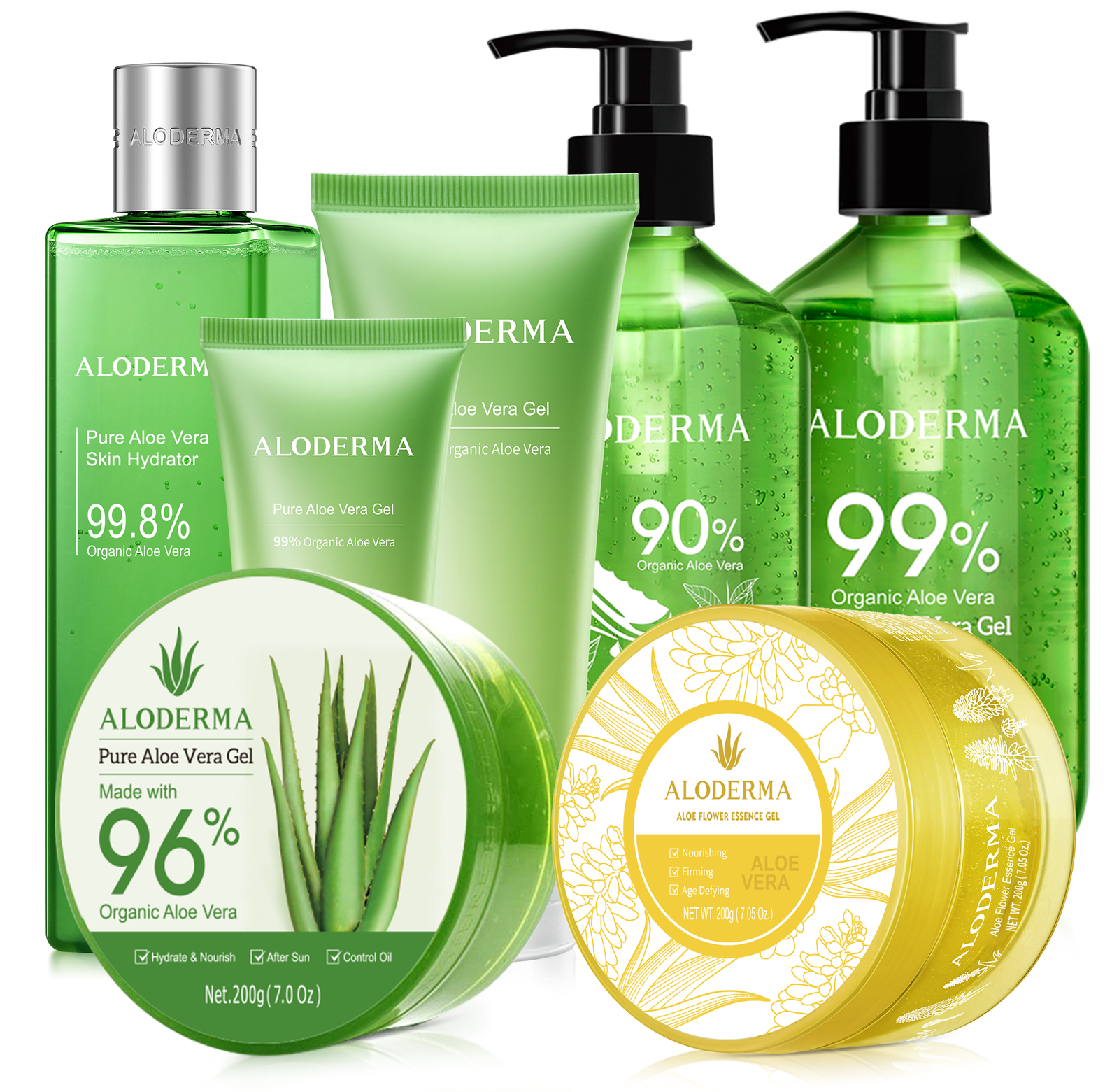
ALODERMA Example: Take a look at our ALODERMA Pure Aloe Vera Gel. The very first ingredient is Aloe Barbadensis Leaf Juice, making up 96% of the formula. That’s not a marketing gimmick; it’s our farm-to-skin promise, printed right on the bottle.
When the star ingredient is right there at the top, it’s a clear sign of a company’s commitment to purity and effectiveness. It’s the reassurance you need to know you’re giving your skin the very best of what nature has to offer. You can learn more about the philosophy behind some of the best organic skincare brands and how they prioritize this kind of integrity.
Building Your Simple and Effective Organic Skincare Routine
Creating a daily skincare routine when your skin is sensitive should feel like a moment of peace, not a source of stress. The whole point is to build a simple, consistent ritual that coaxes your skin back to a happy, balanced state. Forget those overwhelming, 10-step regimens; when it comes to organic skincare for sensitive skin, a "less is more" philosophy is your best bet.
This stripped-back approach centers on four core pillars. These steps give your skin everything it needs to thrive without overloading it with too many products or ingredients.
Step 1: Cleanse Gently
Imagine washing your face and feeling soft, comfortable skin afterward, not that tight, squeaky feeling. A good cleanser needs to wash away impurities, makeup, and excess oil, but it absolutely cannot strip away your skin's natural moisture barrier. For anyone with sensitive skin, this means steering clear of harsh sulfates.
Instead, look for cleansers that use mild, nourishing ingredients. The ALODERMA Aloe Hydrating Cleanser is a perfect example of this. With a base of 76% fresh organic aloe vera, it uses gentle amino acids that do a thorough job of cleansing while still respecting your skin’s delicate balance. The result? Your skin feels soft and refreshed, never stripped.
Step 2: Tone and Soothe
Think of toner as the step that hits the reset button after cleansing. It rebalances your skin's pH and preps it to soak up all the goodness from the products that follow. A great organic toner for sensitive skin should always be alcohol-free and loaded with ingredients that calm and hydrate.
This simple step provides that first layer of moisture and can make a huge difference in how comfortable your skin feels all day long.
Step 3: Hydrate and Nourish
Hydration is the cornerstone of any skincare routine, but it's especially vital for sensitive complexions. When your skin barrier is well-hydrated, it’s stronger and better able to defend itself against environmental stressors. The goal is to find a moisturizer that delivers deep, lasting moisture without feeling heavy or greasy.
Our ALODERMA Aloe Brightening Moisturizer is built on a base of 76% fresh, organic aloe vera juice—our hero ingredient. Because we are a fully vertically integrated company that grows all of our own organic aloe vera, we can harvest and process our aloe within 12 hours. This ensures the aloe in your moisturizer is as bioactive and effective as possible, delivering pure, potent hydration that leaves your skin feeling supple and nourished.
Step 4: Protect From The Elements
The final step in any morning routine should always be protection. The sun can be particularly tough on sensitive skin, which makes a broad-spectrum sunscreen a non-negotiable part of your daily life, rain or shine.
In the evening, you can swap this protection step for a nourishing night cream or serum, giving your skin a chance to repair and rejuvenate while you sleep. Being consistent with this simple four-step routine is what will bring you lasting results.
Patience is a virtue in skincare. It can take two to four weeks for your skin to fully adjust to a new, cleaner regimen. Pay attention to how your skin feels—it should gradually become calmer, more comfortable, and more balanced.
How to Safely Introduce New Products
Even with the gentlest organic products, it’s always wise to introduce them carefully. A patch test is your best friend when trying anything new. It's a simple little trick to see how your skin will react before you commit to putting a product all over your face.
-
Choose a Discreet Spot: Apply a tiny amount of the new product somewhere inconspicuous, like behind your ear or on your inner arm.
-
Wait and Observe: Leave the product on for at least 24 hours. Keep an eye on the spot for any signs of discomfort.
-
Check for Reactions: If you don't see any redness, itching, or irritation after a full day, the product is likely a good fit for you.
This simple test takes all the guesswork and anxiety out of trying new skincare. It gives you the confidence to build a routine you can truly trust. For a more detailed guide, check out our article on how to build a skincare routine that works for you.
The Unique Power of Fresh Aloe Vera for Soothing Skin
When you see "aloe vera" on a skincare label, you probably feel a sense of relief. It’s one of those ingredients we’ve all learned to trust for its gentle, soothing touch. But here’s something you might not know: not all aloe vera is created equal. The difference is something your sensitive skin can truly feel.
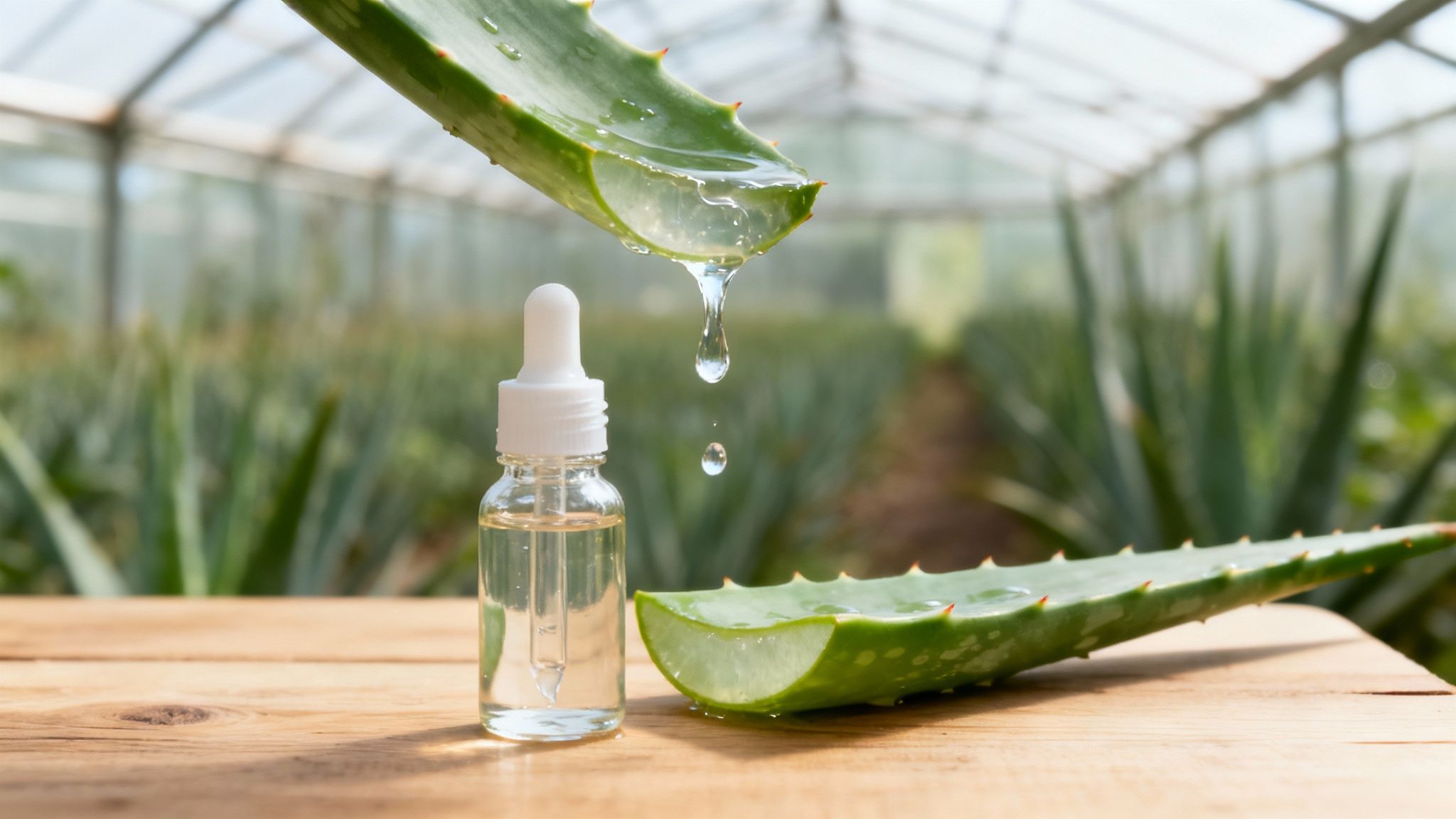
Many brands use aloe vera that has been processed into a powder or concentrate. While this is easier and cheaper for manufacturing, the intense heating and drying required can strip away the plant’s natural potency. This process damages many of the delicate, bioactive compounds that make aloe so special in the first place.
Think of it like the difference between fresh-squeezed orange juice and juice made from concentrate. One is vibrant, alive, and packed with nutrients, while the other is a pale imitation. When it comes to organic skincare for sensitive skin, you absolutely deserve the fresh-squeezed version.
Farm to Skin in 12 Hours: The Aloderma Difference
This is where ALODERMA’s story begins—not in a lab, but on our own ECOCERT-certified organic farms. We are a fully vertically integrated aloe vera company, which means we grow all of our own organic aloe vera. That direct line from our fields to your face is our promise of ultimate purity.
The real magic happens in a very specific window of time. After our aloe leaves are harvested by hand, we process our aloe vera and manufacture onsite within 12 hours of harvest. This isn't a loose goal; it's a strict rule we live by.
This 12-hour harvest-to-process window is critical. It allows us to capture the aloe's rich array of vitamins, enzymes, and polysaccharides at their absolute peak of bioactivity, ensuring the primary ingredient found in every one of our products is as effective and soothing as nature intended.
By preserving this level of freshness, we deliver a kind of care that processed aloe simply cannot match. It’s this commitment that helps your skin feel calm, comfortable, and deeply nourished.
The Soothing Experience of Fresh Aloe
When your skin feels delicate, it craves ingredients that are both powerful and gentle. Our fresh aloe base is the heart of every single ALODERMA product. It’s why our formulas feel so light and hydrating, sinking in beautifully without leaving a heavy, sticky residue.
This farm-fresh approach ensures your skin gets the best of the aloe plant, not just what's left over after harsh processing. It’s a difference you can feel with every single application.
The demand for ingredient safety is clearer than ever, with children's organic products becoming the fastest-growing segment in the United States, expanding at a rate of 5.25% annually. You can find more details on this trend by checking out the latest market research on Mordor Intelligence.
For more insights into how this powerful plant can benefit your daily routine, you can learn all about using fresh aloe vera for your face in our detailed guide.
Common Questions About Organic Skincare for Sensitive Skin
Dipping your toes into the world of organic skincare can bring up a lot of questions, especially when your skin is on the sensitive side. That’s completely normal. You're making a thoughtful choice, and you deserve to feel confident and excited about the journey ahead. Let's walk through some of the most common concerns.
How Long Until My Skin Adjusts to Organic Products?
Patience is key here. Think of this switch less like a quick fix and more like teaching your skin a new, healthier rhythm. The best approach is to introduce just one new product at a time. Generally, your skin might take anywhere from 2-4 weeks to fully adapt as it lets go of old product residues and starts soaking up pure, nourishing ingredients.
Pay close attention to how your skin feels during this period. You should start to notice it becoming more comfortable, balanced, and genuinely hydrated. Organic skincare is designed to work with your skin's natural cycles, delivering gentle, lasting improvements rather than an overnight shock to the system.
Can Organic Skincare Work for Oily or Combination Skin?
Absolutely! It’s a huge misconception that "organic" always means heavy or greasy. The right organic ingredients can be incredible for bringing balance to skin that's both sensitive and oily. Fresh aloe vera, for instance, is a true powerhouse of hydration that feels incredibly lightweight and won't clog your pores.
This is exactly why we're a fully vertically integrated aloe vera company—we grow all of our own organic aloe vera and we process our aloe vera and manufacture onsite within 12 hours of harvest. This ensures the primary ingredient found in every one of our products is the most bioactive and effective aloe vera possible. Our Aloe Clearing Moisturizer, made with 80% fresh organic aloe, is a perfect example of this in action. It gives sensitive areas the moisture they crave while helping to keep shine in check, leaving your skin feeling refreshed, not weighed down.
Is There a Real Difference Between "Natural" and "Organic"?
Yes, and this one is critical. "Natural" is a marketing term that isn't regulated, so it can mean just about anything. "Organic," on the other hand, is a legally protected term that has to be earned through strict certifications like ECOCERT or USDA Organic.
These certifications are your seal of approval. They guarantee that the ingredients were grown and processed without synthetic pesticides, GMOs, or other harsh chemicals. When you see that seal on an ALODERMA product, you can trust that what’s inside is truly clean and pure.
Is Investing in Organic Skincare Really Worth It?
Think of high-quality organic skincare as an investment in the long-term health of your skin. The price often reflects the superior purity, ethical sourcing, and careful craftsmanship behind the ingredients. At ALODERMA, being a fully vertically integrated company allows us to grow all of our own organic aloe vera and then process and manufacture onsite within 12 hours of harvest to ensure the primary ingredient found in every one of our products is the most bioactive and effective aloe vera possible, all while delivering it directly to you.
For anyone with sensitive skin, the real value is in finding potent, pure formulas that deliver visible results without irritation. It’s about the peace of mind that comes from knowing you are nurturing your skin with the very best that nature has to offer.
At ALODERMA, we believe in the power of fresh, farm-grown aloe to bring comfort and balance to your skin. Discover our full range of gentle, effective organic skincare solutions by visiting https://aloderma.com.