



You're probably here because you picked up a moisturizer, turned it over, and found yourself reading a list of ingredients that felt more like a chemistry worksheet than skincare. One bottle says “paraben free.” Another says “clean.” A third promises hydration, balance, glow, and comfort all at once. It's easy to wonder what any of that means for your face.
That confusion makes sense. Consumers aren't trying to become cosmetic chemists. They just want a moisturizer that feels good, works well, and doesn't leave them second-guessing what they put on their skin. If you've been searching for a paraben free face moisturizer, the good news is that this label can be easier to understand than it first appears.
The more useful question isn't only “What's missing from the formula?” It's also “What replaced it, and is the formula built around ingredients that support healthy-looking, comfortable skin every day?” That's where ingredient transparency matters. And that's where fresh, carefully handled botanicals can make a real difference in how a moisturizer feels and performs.
Your Journey to Understanding Paraben-Free Skincare
Standing in front of a skincare shelf can feel oddly personal. You're not just buying a cream. You're choosing what will sit on your skin morning and night, often for months. So when a label says “paraben free,” it's natural to stop and think, “Is that important for me?”
For many readers, the answer starts with trust. You want to know why an ingredient is there, what job it does, and whether the overall formula fits your skin and your values. That's a smart way to shop. It moves you away from marketing buzzwords and toward informed choices.
Why this label gets so much attention
“Paraben free” stands out because it sounds simple. But the meaning behind it involves shelf life, product freshness, ingredient systems, and formulation style. Some moisturizers rely on long-storage design. Others are built around a fresher ingredient philosophy, where the formula focuses on gentle hydration and carefully selected preservation methods.
That's an important difference. A label claim by itself doesn't tell the whole story.
Practical rule: Don't stop at the front of the bottle. Turn it around and look at the ingredient list and the brand's ingredient philosophy.
What helps you choose with confidence
When you understand three things, moisturizer shopping gets much easier:
- What parabens do: They're used to help keep products stable.
- How to spot them: Their names usually follow a recognizable pattern on the ingredient list.
- What to look for instead: Fresh, thoughtfully formulated moisturizers often pair hydration ingredients with alternative preservative systems.
If you've ever felt unsure in the skincare aisle, you're not behind. You're asking the right questions. And once you know how to read a label with calm, practical eyes, choosing a paraben free face moisturizer becomes much less overwhelming.
What Does Paraben-Free Really Mean
At the simplest level, paraben free means a product does not contain parabens, which are a group of preservatives used in many cosmetic formulas. Their role is straightforward. They help protect products from unwanted microbial growth and support shelf stability over time.
A useful everyday comparison is food. Some foods are packaged to last longer on the shelf, while others are made with a fresher approach and need different handling. Skincare works in a similar way. Moisturizers contain water-based ingredients, and those formulas need a preservation strategy.

What parabens do in a formula
Parabens aren't added to make a moisturizer feel softer or more hydrating. They're included to help preserve the product. That's why they often become part of larger conversations about ingredient preferences rather than immediate skin feel.
Many shoppers get confused here because “preservative” can sound harsh. But in skincare, preservation itself is necessary. A moisturizer still needs to stay stable and usable after you open it. The key question is which preservation system the formulator chose.
Here's the simple version:
- Parabens are preservatives: They help keep a formula stable.
- They don't define the whole product: A moisturizer's texture, comfort, and finish come from the full formula, not one ingredient category alone.
- Paraben free doesn't mean preservative free: It usually means a different preservation system is being used.
Why some people prefer to avoid them
For many consumers, avoiding parabens is less about panic and more about preference. They may want a formula that feels more aligned with a minimalist routine, a plant-focused ingredient list, or a brand philosophy centered on freshness and simplicity.
That preference has pushed more brands to design moisturizers without parabens while still maintaining product stability. In other words, modern formulation gives shoppers more options than it used to.
A paraben-free label is most useful when it points to a thoughtful formula, not just a marketing phrase.
The better question to ask
Instead of asking only, “Does this moisturizer contain parabens?” ask:
- What is the main hydrating ingredient?
- How fresh and well-handled are the plant ingredients?
- What preservative system supports the formula?
- Does the product suit how my skin behaves day to day?
That shift matters. It moves your attention from fear-based shopping to ingredient literacy. And that's where better skincare choices usually begin.
The Gentle Power of Paraben-Free Formulas
A good paraben free face moisturizer isn't only defined by what it leaves out. Its value often comes from what it includes. The most comforting formulas tend to focus on hydration, barrier support, and ingredient balance, without crowding the bottle with unnecessary extras.
That's why many people experience paraben-free skincare as gentler and easier to fit into a simple daily routine. The formula may still be complex, but it often feels less cluttered. When your skin is having a fussy day, that simplicity can be a relief.
Why fresh ingredients change the experience
The strongest paraben-free formulas usually start with a high-quality base ingredient. Fresh aloe vera is a great example because it gives a moisturizer a naturally light, water-rich feel while supporting soft, comfortable skin.
Freshness transcends its simple definition. If a botanical ingredient is grown with care and processed quickly, the formula can feel more alive, more elegant, and more in tune with what skin wants from daily moisture: hydration that doesn't feel heavy.
Many readers assume “natural” automatically means unstable or weak. That isn't the right way to think about it. A well-made moisturizer can use plant-based ingredients and still be carefully preserved, consistent, and pleasant to use.
What modern alternatives bring to the table
Today's formulators have more than one way to create a stable moisturizer. Instead of relying on parabens, they can build formulas with alternative preservative systems and combine them with ingredients chosen for comfort, texture, and freshness.
That matters because the experience of a moisturizer is emotional as well as practical. You want the cream or lotion to spread easily, absorb well, and leave your skin feeling calm and cared for, not coated or sticky.
A few signs of a thoughtful paraben-free formula include:
- A clear ingredient story: The brand explains what the key ingredients do.
- A fresh-feeling texture: The moisturizer feels intentional, not waxy or overloaded.
- Balanced support: It hydrates without turning into a greasy film.
- Transparent formulation choices: You can understand why the formula was built the way it was.
When a moisturizer is centered on fresh, bioactive ingredients, the formula can feel less like a generic cream and more like daily care with a purpose.
Why this matters for your routine
Morning skincare often needs to layer well under sunscreen or makeup. Evening skincare should feel comforting without becoming too rich for your skin type. A paraben-free moisturizer built around fresh aloe vera can fit both moments because aloe naturally lends a breathable, silky quality to a formula.
That's the positive side of this conversation. Choosing paraben free isn't only about avoiding something. It's often about choosing a moisturizer that feels cleaner in design, clearer in purpose, and closer to the kind of ingredient transparency many people want now.
How to Read a Moisturizer Label Like an Expert
Once you know what to scan for, ingredient lists become much less intimidating. You don't need to memorize cosmetic chemistry. You just need to recognize a few recurring names and understand what role they play.
Start with the ingredient list, often labeled as the INCI list. If you're checking whether a moisturizer is paraben free, the ingredient list reveals the answer.
The names to look for first
These are common parabens shoppers often try to identify on labels:

- Methylparaben
- Ethylparaben
- Propylparaben
- Butylparaben
- Isobutylparaben
If you see one of those names, the product isn't paraben free.
A quick pattern helps here. Many paraben ingredients end in “paraben,” so they're often easier to spot than people expect.
What you may see instead
Paraben-free formulas still need preservation support, so don't be surprised if you see different preservative ingredients. Common alternatives include:
- Phenoxyethanol
- Sodium benzoate
- Potassium sorbate
Seeing those names doesn't mean a product is harsh. It usually means the brand chose a different preservation system.
If you're trying to build a more mindful ingredient routine overall, it can also help to read broader education on ingredients to avoid in skincare. That kind of resource makes label reading feel less random and more practical.
Here's a quick visual guide if you like to learn by watching as well as reading.
A simple shopping checklist
When you're standing in a store or scrolling online, use this quick process:
- Check the front claim: If it says paraben free, verify it on the back.
- Scan for the “paraben” ending: That catches the most common examples fast.
- Look at the first part of the list: This helps you identify the main base ingredients.
- Notice the overall formula style: A short, understandable ingredient list can feel easier to trust.
- Think beyond one label claim: Some shoppers also explore categories like products free of sodium lauryl sulfate when they want a gentler personal care routine overall.
The goal isn't to fear every long ingredient name. The goal is to know what you're looking at well enough to make a calm decision.
Choosing the Best Paraben-Free Moisturizer for Your Skin
The right moisturizer depends less on trends and more on how your skin behaves by midday, after cleansing, and during seasonal changes. Some people need cushion and comfort. Others need hydration without heaviness. A paraben free face moisturizer should match that daily reality.
If your skin feels delicate and easily overwhelmed
When skin reacts to too much fragrance, overly rich textures, or crowded routines, a soothing cream texture usually makes more sense than a heavy occlusive formula. Look for a moisturizer that gives comfort without feeling suffocating.
One option to consider is Aloe Soothing & Moisturizing Cream. It fits readers who want a paraben-free cream with aloe at the center of the formula and a texture that feels nurturing rather than greasy.
Skin in this category often does best with:
- Soft, steady hydration: Enough moisture to leave skin comfortable after cleansing.
- A simple routine: Fewer competing steps can make daily care easier.
- A comforting finish: The skin should feel settled, not shiny or coated.
If your skin gets oily or looks unsettled by heavier creams
This skin type often needs moisture just as much as any other. The difference is texture. Rich formulas can feel like too much, especially during the day or in humid weather.
In that case, a lighter product such as Aloe Clearing Moisturizer makes more sense. The appeal here is balance. You want hydration that sinks in cleanly and doesn't leave your face feeling crowded by product.
A helpful way to judge fit:
| Skin behavior | What to look for in a moisturizer |
|---|---|
| Feels slick by noon | Lightweight lotion or gel-cream texture |
| Gets tight after washing | Water-rich hydration with softening support |
| Dislikes heavy night creams | Fast-absorbing formula with a clean finish |
If your skin is normal to dry and wants everyday moisture
Some people don't need a specialized texture. They need a reliable daily moisturizer that keeps skin feeling smooth morning to evening and layers well with the rest of a simple routine.
For that kind of all-purpose hydration, Aloe Hydrating Face Moisturizer is a practical choice. It suits readers who want a lotion feel instead of a dense cream and prefer moisture that feels fresh and wearable.
If you're still deciding between textures, this guide to natural face creams for different skin needs can help you compare options more clearly.
One more product worth knowing
If you specifically want a moisturizer in this category and like fresh aloe-based formulas, Aloe Brightening Moisturizer is another option within the same general space. It's useful for shoppers who want a paraben-free face moisturizer and prefer a formula built around fresh organic aloe juice.
The key is not choosing the “most popular” texture. It's choosing the one your skin will welcome every day.
The ALODERMA Difference Farm-to-Skin Freshness
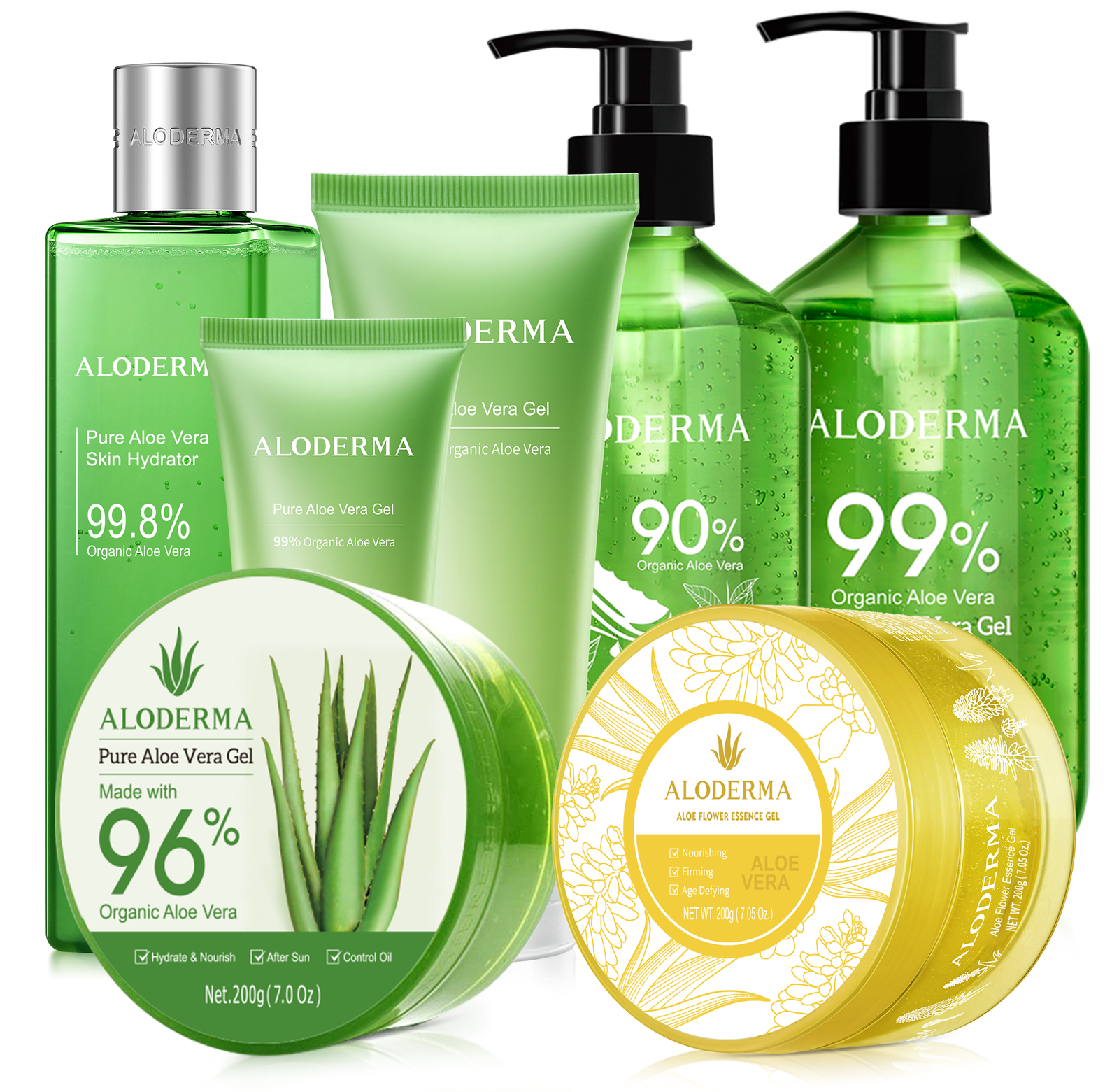
Some skincare brands buy ingredients from suppliers and then formulate later, far from where the plants were grown. ALODERMA takes a different route. It is a fully vertically integrated aloe vera company that grows its own organic aloe vera, processes the aloe onsite, and manufactures onsite within 12 hours of harvest so the primary ingredient found in every product is the most bioactive and effective aloe vera possible.
That phrase, vertically integrated, matters because it tells you who controls the process. In this case, the same company manages the aloe from cultivation through production. For shoppers who care about freshness and ingredient transparency, that gives the formula a more direct path from field to bottle.

What farm-to-skin means in practice
Fresh aloe vera is at the center of the brand's identity. Because the aloe is grown on the company's own organic farms and handled quickly, the resulting formulas are built around a fresher plant ingredient base than products that depend on older, more removed sourcing systems.
For the person applying moisturizer in the morning, that may sound abstract. But it translates into something tangible. The texture feels light, the ingredient story is easier to follow, and the product philosophy puts purity and freshness first.
Fresh skincare starts long before the bottle reaches your shelf. It starts with how the ingredient is grown, harvested, and processed.
Why that matters when choosing paraben free
This is the positive side of “paraben free” that often gets missed. If a moisturizer is built around fresh, bioactive aloe and made with careful onsite processing, the brand can center the formula on ingredient quality rather than leaning on older preservation expectations as the headline story.
That doesn't mean skincare stops needing preservation support. It means the formula begins with a strong fresh base. For ingredient-conscious shoppers, that's a more satisfying reason to choose a moisturizer.
If you want a deeper look at aloe's role in hydration, this explanation of whether aloe vera is a moisturizer gives helpful context.
The emotional side of freshness
There's also a trust element here. When people hear “organic aloe vera,” they often imagine a vague ingredient supplier somewhere in the background. ALODERMA's farm-to-skin approach makes that story more concrete. The aloe is grown by the same company that turns it into skincare.
That kind of transparency can make daily skincare feel more grounded. You're not just choosing a moisturizer without parabens. You're choosing one shaped by freshness, ingredient traceability, and a cleaner relationship between plant and product.
Common Questions About Paraben-Free Moisturizers
Does paraben free mean the product won't last as long
Not necessarily. A paraben-free moisturizer still uses a preservation system. The difference is the type of preservative used, not the absence of preservation altogether. What matters most is that you store the product well, close the cap properly, and use clean hands.
Are paraben-free moisturizers suitable for all skin types
They can be, but the label alone doesn't guarantee a match. Texture, fragrance profile, richness, and the overall ingredient blend matter too. A lightweight lotion may suit oily skin, while a creamier formula may feel better on skin that gets dry or easily uncomfortable.
Can you switch to a paraben-free moisturizer all at once
Yes, making that change directly is often possible. The smarter move is to switch one product at a time so you can tell how your skin responds to the new formula. That keeps your routine clear and easier to evaluate.
How should you store a paraben-free face moisturizer
Treat it the way you'd treat any well-made skincare product. Keep it away from direct sunlight, avoid extreme heat, and don't dip in with unwashed fingers. Simple habits help preserve the feel and integrity of the formula.
If your skincare routine feels confusing, simplify before you add more. One good cleanser and one well-matched moisturizer can take you far.
If you want skincare that centers freshness, ingredient transparency, and organic aloe vera from farm to bottle, explore ALODERMA. Their collection makes it easy to search ingredients, compare textures, and find a moisturizer that fits your skin with fresh aloe vera at the heart of the formula.