



You're probably here because you picked up a moisturizer, flipped it over, and realized the front label told you almost nothing you wanted to know. “Clean.” “Natural.” “Botanical.” “Kind to skin.” It all sounds reassuring until you start wondering what's really inside the jar, whether it aligns with your values, and whether it will feel good on your face every day.
That's where vegan face cream gets interesting. Not because it's trendy, but because it can simplify a confusing category. A well-made vegan cream gives you a clearer starting point: no animal-derived ingredients, more focus on plant-based alternatives, and often a stronger push toward ingredient transparency. If you care about what touches your skin, that clarity matters.
The Growing Desire for Kind and Clean Skincare
A lot of skincare shopping starts with a small moment of doubt.
You need a face cream. Your skin feels tight after cleansing, or shiny in the afternoon, or reactive when a product is too heavy or too scented. You want moisture, but you also want peace of mind. Then you see ingredients you don't recognize, labels that overlap, and claims that feel more polished than helpful.
That's one reason vegan face cream has become such a strong category. It gives many shoppers a simpler filter. If you want to avoid ingredients like beeswax, collagen, or honey, “vegan” helps narrow the field fast. It also speaks to a wider shift in how people shop for beauty products. They're not only asking, “Will this work?” They're also asking, “What am I supporting when I buy this?”
That shift is no longer small. The global vegan beauty market was valued at USD 19.21 billion in 2024 and is projected to reach USD 32.56 billion by 2032, according to The Vegan Society's beauty statistics page. The same source notes that the organic vegan face cream market is projected to grow at a CAGR of 8.6% through 2035.
Why this matters in real life
A bigger market usually means more choice. It can also mean better formulas, clearer labeling, and more options for different skin types.
For shoppers, that looks like:
- More ingredient transparency so you can compare formulas with less guesswork
- More texture options from light gel-creams to richer barrier-supporting creams
- More values-based buying when you want skincare that feels aligned with your routine and your priorities
Vegan face cream isn't just about what gets removed. For many people, it's about feeling more confident in what stays in the formula.
What Vegan Really Means for Your Face Cream
The word vegan has a specific meaning in skincare. It doesn't mean “healthy,” “gentle,” or “all-natural.” It means the product contains no animal-derived ingredients or animal by-products.
A certified vegan face cream must not contain ingredients such as honey, beeswax, collagen, or keratin, as explained in Good Housekeeping's guide to vegan face cream. That matters because many common skincare ingredients sound neutral on a label but may come from animal sources.

Good Housekeeping also cites a 2021 YouGov survey showing 53% of adults were not confident they could identify animal ingredients in skincare, which explains why so many shoppers feel unsure when reading labels.
Vegan, cruelty-free, and plant-based are not the same
These terms often get mixed together, but they answer different questions.
- Vegan asks, “Are there any animal-derived ingredients in this formula?”
- Cruelty-free asks, “Was this product or its ingredients tested on animals?”
- Plant-based suggests the formula uses ingredients from plants, but it doesn't automatically confirm the full product is vegan
A simple way to think about it is this:
| Term | What it tells you |
|---|---|
| Vegan | No animal-derived ingredients |
| Cruelty-free | No animal testing |
| Plant-based | Uses plant ingredients, but may not cover every sourcing detail |
A product can be vegan but not cruelty-free. It can also be cruelty-free but still contain beeswax or lanolin. That's why one label alone often isn't enough.
Where shoppers get tripped up
The confusion doesn't stop at face cream. It shows up in candles, makeup, body care, and home products too. If you want another example of how “vegan” gets defined across categories, this complete vegan candle guide is useful because it shows how ingredient sourcing can change what a label really means.
For skincare, the safest approach is to combine the front label with the ingredient list and a brand's public policies. If you want a broader overview of products that fit this category, ALODERMA also shares a helpful roundup of vegan skincare products.
The front of the jar is marketing. The ingredient list is where the real conversation starts.
The Power of Plant-Derived Ingredients
Once you move past the “free from” part of vegan skincare, the better question is this: what is the formula using instead?
That's where vegan face cream can be exciting. Many formulas replace animal-derived occlusives and softening agents with plant oils, butters, and humectants that feel elegant on skin. According to Pai Skincare's guide to non-vegan skincare ingredients, high-performing vegan creams often rely on plant-derived butters and oils like shea and jojoba, along with humectants such as vegetable-sourced glycerin.

Pai also points out an easy-to-miss detail: ingredients like glycerin or squalene can come from either plant or animal sources. That means a vegan claim is strongest when a brand is open about sourcing, not just finished-product positioning.
What these ingredients actually do
A face cream has a job. It needs to pull in water, soften the surface, and help reduce moisture loss so your skin feels comfortable longer.
Here's how common plant-derived ingredients help:
- Shea butter adds richness and helps cushion dry-feeling skin
- Jojoba oil has a lighter feel and works well for people who dislike greasy finishes
- Vegetable glycerin helps attract water and keep skin feeling hydrated
- Aloe vera brings a fresh, water-rich feel that suits lightweight daily moisturizers
A simple ingredient swap table
| Instead of This Animal Ingredient... | Look for This Plant-Based Alternative |
|---|---|
| Beeswax | Candelilla wax or plant wax blends |
| Lanolin | Shea butter or jojoba oil |
| Collagen | Plant oils, humectants, and film-forming botanical ingredients |
| Tallow | Coconut oil, olive oil, or shea butter |
| Animal-derived glycerin | Vegetable-sourced glycerin |
Why fresh botanicals matter
Not all botanical skincare feels the same. A plant extract added in a tiny amount for label appeal isn't the same as a formula built around a fresh botanical base.
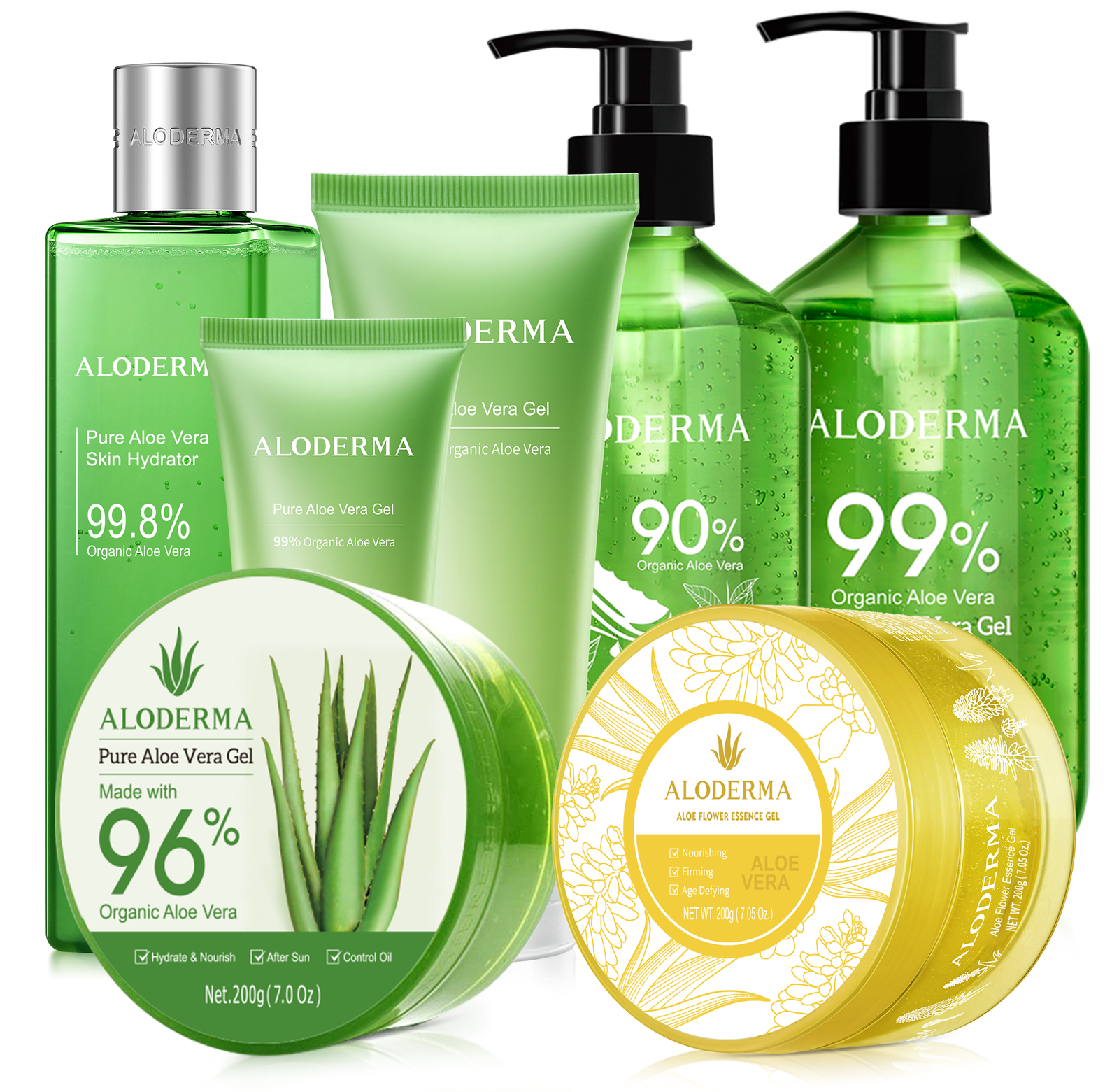
That's one reason farm-to-skin brands stand out. When the primary ingredient is grown, harvested, and processed with tight control, you get better traceability and more confidence in what the formula starts with. ALODERMA is a fully vertically integrated aloe vera company. It grows its own organic aloe vera and processes and manufactures onsite within 12 hours of harvest, which is designed to preserve the bioactive quality of the aloe found across its product line.
That approach matters if you want a moisturizer that feels botanical in a real, functional way rather than just in the branding. If you're curious about aromatic plant ingredients more broadly, this guide to essential oils from Yuve offers useful context on how botanical ingredients are used in personal care routines.
Fresh, plant-led skincare often feels easier to trust when you can follow the ingredient back to how it was grown and handled.
How to Verify Vegan and Cruelty-Free Claims
A label can point you in the right direction, but it shouldn't be the end of your research.
One of the biggest shopper mistakes is assuming that “vegan” automatically covers everything. It doesn't. As explained in this guide to vegan moisturizers from FEEL, vegan refers to ingredients, while cruelty-free refers to testing practices. The same source recommends checking for third-party certifications and explicit brand policies because some ingredients, including glycerin or squalane, may need source traceability.
A practical checklist
When you're standing in a store or scanning a product page, use this order:
-
Check for third-party certification
Look for certification from organizations such as The Vegan Society or PETA when available. -
Read the INCI list
Scan for ingredients commonly associated with animal origin, including beeswax, lanolin, collagen, keratin, tallow, or honey. -
Look for source transparency
If the formula contains glycerin or squalane, see whether the brand says those ingredients are plant-derived. -
Review the brand's animal testing policy
Don't rely on symbols alone. A clear FAQ or policy page tells you more about how the company handles testing across regions.
What a trustworthy brand page looks like
A strong product page or help center usually answers plain questions in plain language. It shouldn't make you hunt through vague sustainability copy to figure out whether a cream is vegan or cruelty-free.
If you want a clearer explanation of the testing side of the label puzzle, ALODERMA has a straightforward article on what cruelty-free means.
Practical rule: If a brand is careful about formulation, it should also be clear about certification, sourcing, and testing policies.
Finding the Right Vegan Cream for Your Skin
Not every vegan face cream is right for every face. The label tells you what the product avoids. Your skin type tells you what the product needs to deliver.
A person with dry-feeling skin usually wants more cushion and staying power. Someone with an oily complexion often wants hydration without a coated finish. Sensitive or easily unsettled skin usually does better with a shorter ingredient story, gentle plant ingredients, and little to no fragrance.

Demand for formulas built this way continues to grow. The organic vegan face cream market is projected to reach USD 7,315 million by 2035, according to Blu Atlas' discussion of vegan face moisturizer trends.
If your skin feels dry or tight
Look for a cream with a balance of humectants and richer plant lipids. A formula that includes aloe, glycerin, and softening oils or butters can help your skin feel more comfortable without relying on animal-derived occlusives.
Pay attention to texture too. If your skin feels dry all day, a very light gel may not be enough on its own.
If your skin gets shiny or feels crowded easily
Heavy isn't always better. Many people with oily or blemish-prone skin stop moisturizing because they assume cream will make things worse. Usually the issue is the wrong texture, not the idea of moisturizer itself.
A lighter vegan cream can work well when it uses water-rich botanical ingredients and a balanced emulsion. You want hydration that sinks in, not a thick film that lingers.
If your skin is easily bothered
Reading labels offers significant rewards. A gentle vegan cream can be a smart fit when it avoids common trigger categories like heavy fragrance, strong dyes, or unnecessary extras. Focus on calm, simple formulas built around plant oils, botanical extracts, and a comfortable finish.
One real product example
If you want a face cream in this category, ALODERMA Aloe Hydrating Cream is one option to consider. It fits naturally into this discussion because ALODERMA centers its formulas on fresh organic aloe vera, and the company grows its own aloe, then processes and manufactures onsite within 12 hours of harvest. For someone who wants a vegan face cream with a fresh, farm-to-skin ingredient story, that kind of traceability can feel reassuring.
A quick matching guide
-
Dry-feeling skin
Choose a richer cream with humectants and nourishing plant oils. -
Oily or combination skin
Choose a lightweight moisturizer that hydrates without feeling dense. -
Sensitive skin
Keep the formula simple, fragrance-aware, and focused on gentle botanicals. -
You dislike mystery labels
Prioritize brands that explain both sourcing and testing policies clearly.
How to Layer Vegan Creams in Your Routine
Even a good face cream can feel underwhelming if it's used in the wrong order.
The basic rule is simple: apply skincare from thinnest to thickest. Thin, watery products go on first. Creams go later because they help seal in the hydration from the steps underneath.

If you want a visual walk-through, this video is a helpful companion:
A simple morning order
Typically, a vegan face cream fits near the end of the routine.
- Cleanser to remove overnight buildup
- Toner or essence if you use one for light hydration
- Serum for your main targeted step
- Eye cream if part of your routine
- Vegan face cream to lock in hydration
- SPF in the morning
A simple evening order
Night routines usually follow the same pattern, minus sunscreen.
- Cleanse
- Apply toner if desired
- Use serum
- Apply face cream
- Add a face oil last only if your skin likes that extra layer
Why this order works
Creams are usually thicker than toners and serums. Putting them on too early can make it harder for lighter products to spread evenly. Putting them later helps them act like a comfort layer over the more fluid steps.
If you want more guidance on sequencing, ALODERMA has a useful article on the order skincare products should be applied.
A face cream doesn't need to do every job in your routine. It needs to do its own job well, which is helping your skin hold onto comfort and moisture.
Your Vegan Skincare Questions Answered
Are vegan face creams as effective as traditional ones
Yes, they can be. Performance depends on the full formula, not on whether the product contains animal-derived ingredients. A well-made cream still needs the right balance of humectants, emollients, and a stable texture.
Is plant-based the same as vegan
Not always. Plant-based suggests a formula uses plant ingredients, but it doesn't guarantee that every ingredient is free from animal origin. Vegan is the stricter label when you want to avoid animal-derived inputs.
Why do some vegan products still feel confusing
Because some ingredients need sourcing details. Glycerin and squalane are good examples. The ingredient name alone may not tell you whether the source is plant-based, so brand transparency matters.
Can a vegan cream work for sensitive skin
Often, yes. Many people prefer vegan creams because they can be built around gentle botanical ingredients and fewer obvious animal-derived inputs. Still, your skin responds to the whole formula, so texture, fragrance, and overall ingredient design all matter.
Will a vegan cream feel too light for dry skin
Not necessarily. Vegan creams come in many textures. Some are airy and water-light. Others use richer plant butters and oils for more lasting comfort. Match the texture to your skin rather than assuming “vegan” means thin.
What should I check first when shopping
Start with three things: the ingredient list, third-party certification if available, and the brand's testing and sourcing policies. That combination usually tells you far more than the front label.
If you want skincare that feels calm, clear, and traceable, ALODERMA is worth exploring. Its formulas center on fresh organic aloe vera grown on the company's own farms, then processed and manufactured onsite within 12 hours of harvest. That farm-to-skin model gives ingredient-conscious shoppers a more transparent starting point when choosing everyday moisturizers and other essentials.