



You're standing in a skincare aisle, or scrolling late at night, comparing two bottles that both look clean. One says “natural.” Another says “phthalate-free.” A third has a soft floral scent and leafy packaging, so it feels safe. Then you flip the bottle over, spot the word “fragrance,” and the whole thing gets murky again.
That confusion is normal. Labels often give you just enough information to feel reassured, but not always enough to understand what you're putting on your skin. If you've ever wondered whether phthalate-free means unscented, fully clean, or just a marketing phrase, you're asking the right question.
That Confusing Label What Does Phthalate Free Mean
A shopper picks up a body lotion because the front label looks simple and calming. Maybe it says “clean,” “gentle,” or “botanical.” Then they notice one more claim: phthalate-free. It sounds important, but unless you already know what phthalates are, it doesn't tell you much.
In plain language, phthalates are synthetic chemicals used in many everyday products. In personal care, they're often connected to fragrance and formula performance. More broadly, they've been used in plastics and other materials to make them softer or more flexible.
The reason this label matters is that phthalates aren't rare. They're extremely widespread. According to reporting that cites CDC biomonitoring data, traces of these “everywhere chemicals” have been found in the urine of almost the entire U.S. population. That doesn't mean every product contains them, but it does explain why many shoppers now look for products that avoid them.
What the label is telling you
When a product says phthalate-free, it usually means the brand is saying it formulated the product without phthalates.
That's a useful first filter. It tells you the brand knows shoppers care about these chemicals and is responding to that concern. But it doesn't automatically answer every follow-up question, such as:
- How was that claim verified
- Does the ingredient list support it
- Is there synthetic fragrance hiding behind a vague term
- How transparent is the brand overall
Simple takeaway: “Phthalate-free” is a helpful starting point, not the end of the conversation.
A lot of people want a quick yes-or-no answer. The answer is more nuanced. If you want to understand what is phthalate free in a way that helps you shop smarter, you need to know what phthalates do, where they hide, and why labels can still leave gaps.
Understanding Phthalates in Your Personal Care Products
Phthalates can sound abstract until you connect them to jobs they perform in real products. The easiest way to think about them is this: some phthalates help make rigid materials feel more flexible, and some help scents cling longer or formulas behave a certain way.
A simple analogy helps. Think about a stiff plastic sheet versus a soft vinyl item that bends easily. The added chemical support is what gives that material a more flexible feel. In beauty products, the role is different, but the idea is similar. The chemical is there to make the product perform in a way the manufacturer wants.

Where they can show up
In personal care products, phthalates have often been associated with uses like these:
- Fragrance support. Some phthalates, especially DEP, have been used to help scent last longer.
- Formula texture. They can be used as solvents in certain cosmetic formulations.
- Flexible finishes. In some product categories outside skincare, related compounds have been used to improve flexibility and wear.
The names themselves can look intimidating. You may see or hear terms such as DEP, DBP, DEHP, DINP, or BBP when reading ingredient guides or testing standards. You do not need to memorize all of them to shop well. What matters more is recognizing that phthalates are a family of chemicals, not one single ingredient.
Why this gets confusing fast
It's often assumed a risky ingredient would be clearly printed on the back label. That's not always how this category works.
Here's why shoppers get tripped up:
| What shoppers expect | What often happens |
|---|---|
| Every concerning ingredient is listed plainly | Some ingredients can be grouped under broader labeling terms |
| A “clean” front label tells the whole story | Front-label claims may leave out important details |
| Scent is harmless if it smells light or fresh | The source of the scent matters more than the scent itself |
A practical example helps. A nail product might use certain chemicals for flexibility. A perfume or scented lotion may use fragrance materials that aren't fully obvious from the front label. A plastic pump, soft packaging component, or surrounding household item can add a separate layer of exposure outside the formula itself.
If you only look at the front of the bottle, you miss most of the useful information.
That's why the question isn't just what is phthalate free. It's also what kind of transparency stands behind that claim.
Why Health and Regulatory Experts Are Concerned
A bottle can sit on your bathroom shelf for months, gradually becoming part of your routine. That repeated, everyday contact is why health experts pay attention to ingredients that may affect the body over time, even when each single use seems small.
Phthalates raise concern because several of them are associated with hormone disruption. Hormones work like the body's message carriers. When outside chemicals interfere with those signals, researchers and regulators start asking harder questions about long-term exposure, cumulative exposure, and who may be more sensitive, such as pregnant women, babies, and children.
That does not mean every product carries the same level of risk. It does mean caution makes sense, especially for items used daily on skin, lips, scalp, or around the home.

Regulation leaves room for uncertainty
One reason this topic feels so confusing is that regulators do not all draw the line in the same place. Some regions have taken a stricter approach to certain phthalates, while U.S. oversight has often been narrower and more ingredient-specific.
For shoppers, that creates a practical problem. A product can meet legal requirements and still leave unanswered questions about purity, especially if the brand shares very little about sourcing, fragrance materials, or manufacturing controls.
That gap matters. A "phthalate-free" claim tells you one thing. It does not automatically tell you how carefully the whole formula was built, how ingredients were screened, or whether a hidden fragrance system introduces avoidable uncertainty.
Public procurement standards show how strict the bar can be
Some institutional standards treat phthalate-free as more than a front-label phrase. The Swedish National Agency for Public Procurement guidance sets strict limits on certain ortho-phthalates in products described as phthalate-free, which shows how technical and specific these definitions can become outside everyday retail marketing.
The same guidance also explains why experts stay cautious. Certain phthalates are not permanently bound to the material they are added to, so they can migrate out over time. In medical or household settings, that matters because repeated contact and environmental buildup are part of the exposure question, not just the ingredient list on day one.
If you want to understand why scent systems deserve extra scrutiny in clean beauty, ALODERMA's guide to fragrance transparency in clean beauty products gives helpful context. For a related look at ingredient sourcing and aroma materials, Blushing Ivy's essential oil guide is also useful.
What this means for your skincare choices
The safest assumption is simple. Regulation sets a floor, not always the highest standard a careful shopper may want.
That is why ingredient-conscious buyers often look for brands that control more of the process, ask more from suppliers, and keep formulas simpler. A vertically integrated farm-to-skin approach like ALODERMA's offers more reassurance because purity is supported by visibility across the chain, not just by a single claim printed on the label.
The Hidden Phthalates Lurking in Fragrance
The biggest loophole in this whole conversation is fragrance.
A bottle can look clean, use soft colors, mention botanicals on the front, and still include a vague ingredient term on the back that hides a lot of complexity. In the U.S., “fragrance” or “parfum” can protect proprietary scent formulas. That means shoppers often don't get a full list of every component inside that scent system.
The result is frustrating. A person can think they've made a careful choice, then later learn that fragrance can be a route for hidden phthalates.
Why the word fragrance matters so much
A helpful summary from DefenAge's guide to what phthalate-free means for skin care notes that “fragrance” or “parfum” on labels often masks phthalates like DEP used to extend scent longevity, and it points out how brands can legally make phthalate-free claims while shoppers still face a confusing disclosure gap.
That's why savvy consumers often treat “fragrance” as a signal to slow down and look closer.
Here's the practical difference:
- Fragrance-free usually means no added scent system
- Unscented may still include ingredients used to mask odor
- Scented with essential oils tells you more, especially when the oils are named
If you want a deeper look at how scent transparency affects clean beauty, ALODERMA's article on clean beauty and fragrance is a helpful read.
What better transparency looks like
A more trustworthy formula usually does one of these things:
- skips added fragrance entirely
- names its aromatic ingredients clearly
- explains that it uses essential oils rather than a generic parfum blend
If you want to get more familiar with how to judge aromatic ingredients, Blushing Ivy's essential oil guide offers a useful overview of purity and what to look for when a product relies on plant-based scent.
The front label may say phthalate-free. The ingredient list tells you whether that promise feels believable.
A lot of readers finally answer the question what is phthalate free in a more realistic way: it isn't just a missing ingredient. It's a combination of formulation choices, labeling honesty, and whether a brand leaves room for hidden ambiguity.
How to Read Labels and Find Genuinely Clean Products
You're standing in the skincare aisle holding two bottles. Both look clean. One says phthalate-free on the front. The other talks about botanical care and purity. Then you turn them around, and the true test begins.
That is the moment that matters most. A front-label claim can help you narrow the field, but the ingredient list shows how much the brand is willing to explain.

Use this three-step shelf test
Step 1. Read the claim, then treat it as a starting point
If a bottle says phthalate-free, that is useful. It shows the brand knows shoppers care about this issue. Still, that phrase only answers one question. It does not automatically tell you how open the brand is about the rest of the formula.
Step 2. Check the ingredient list for disclosure gaps
Now flip the bottle over and scan for fragrance or parfum. Those words are often where certainty drops. A product can avoid certain phthalates and still leave you guessing about what makes up its scent blend.
A good label works like a clear recipe card. You should be able to see what is doing the job, especially when scent is involved.
Step 3. Look for signs the brand makes purity easier to verify
Clearer products often skip added fragrance, list aromatic ingredients by name, or explain their sourcing in plain language. That matters because “phthalate-free” is stronger when it sits inside a broader pattern of transparency, not just a single marketing promise.
A quick visual guide can help reinforce the habit, and this video gives a useful overview of ingredient screening in everyday skincare choices:
Certifications can add another layer
Third-party certifications can be helpful shorthand, especially if you are comparing several products quickly. Labels such as ECOCERT or USDA Organic may suggest stricter ingredient standards, but they still do not replace reading the full ingredient list.
That bigger-picture habit is what helps shoppers avoid getting stuck on one claim at a time. ALODERMA's guide to ingredients to avoid in skincare can help you place phthalates in the wider group of ingredients many careful skincare users choose to screen for.
A fast label checklist you can save
- Start with the front label. “Phthalate-free” can be a helpful first filter.
- Turn the bottle around. Check whether the ingredient list gives clear names or hides scent details behind “fragrance” or “parfum.”
- Prefer products that explain themselves plainly. Named oils, named extracts, and simple formulas are easier to assess.
- Check the packaging if you are reducing total exposure. Many shoppers also avoid PVC and choose simpler packaging materials where possible.
- Pay attention to how much trust requires guesswork. The more mystery a label leaves, the less confidence you can place in a purity claim.
Practical rule: The best product is the one you can understand without filling in the blanks.
That is where the gap becomes clear. A phthalate-free label can be helpful, but full confidence comes from a product that is open about fragrance, ingredients, and sourcing from the start.
The ALODERMA Difference Farm-to-Skin Purity You Can Trust
Ingredient transparency gets stronger when a company controls more of its own process. That matters because every extra handoff in a supply chain can introduce more unknowns, more vague sourcing, and more room for compromise.
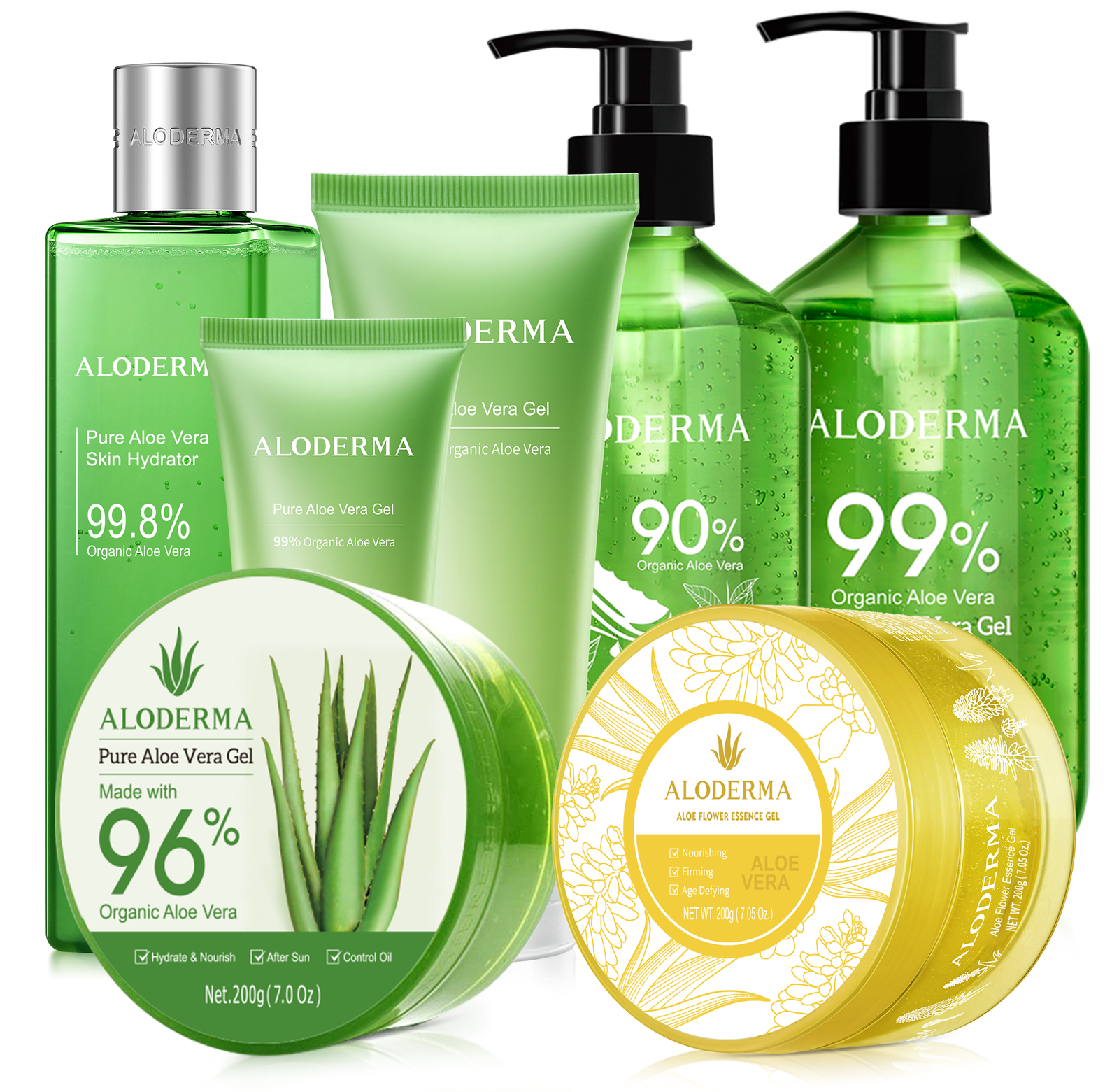
ALODERMA stands out here because it is a fully vertically integrated aloe vera company. It grows all of its own organic aloe vera, processes that aloe, and manufactures onsite within 12 hours of harvest. That kind of control matters for freshness, and it also matters for trust. The primary ingredient found in every product is handled from farm to finished formula with far less distance between source and bottle.

Why vertical integration changes the conversation
A lot of brands buy ingredients from multiple outside suppliers, then blend, package, and market them later. That model isn't automatically bad, but it can make purity harder to trace.
With ALoderma's farm-to-skin model, the chain is simpler:
| Supply question | Why vertical integration helps |
|---|---|
| Where did the aloe come from | The company grows its own organic aloe vera |
| How fresh is the main ingredient | It is processed and manufactured onsite within 12 hours of harvest |
| How much control exists over the formula base | The company manages the ingredient journey more directly |
That's especially relevant in a category where shoppers are trying to avoid hidden ambiguity.
Certifications help support the claim
According to the ALODERMA Pure Aloe Vera Gel product page, the ECOCERT and USDA Organic certification standards that ALODERMA holds explicitly require that products labeled phthalate-free contain zero detectable phthalates, with synthetic additives like phthalates excluded from the ingredient list.
For shoppers, that kind of certification support matters because it moves the conversation beyond branding language.
A few product examples make the point clearer:
- Pure Aloe Vera Gel gives you a direct look at the brand's aloe-first philosophy.
- Aloe Vera Gel with Tea Tree is a useful option for shoppers who want a light, fresh-feeling gel.
- Aloe Hydrating Moisturizer fits people who prefer everyday hydration with a gentle texture.
- Aloe Hydrating Cleanser works well for those building a simpler routine with fewer harsh extras.
When a company controls its aloe from field to facility, purity feels less like a slogan and more like a system.
That's the deeper value of farm-to-skin skincare. It gives you a clearer reason to trust the ingredient story, not just the packaging story.
Building Your Simple Phthalate-Free Routine
A phthalate-conscious routine doesn't have to be extreme. The best results typically come from a few smart swaps, repeated consistently.
Start with the products that stay on your skin the longest or that you use every day. That usually means cleanser, moisturizer, body care, and anything with added scent. If a formula feels vague, overly perfumed, or hard to verify, it's reasonable to choose a more transparent option instead.
Think beyond the bathroom shelf
One important point often gets missed. A cleaner skincare routine helps, but it's only part of the picture.
The Center for Research on Consumer Interests discussion of phthalates highlights a practical reality: phthalate-free skincare may be insufficient if you also microwave food in PVC, identified by recycling code 3, or use vinyl shower curtains, because those exposures can add up in your daily environment.
That doesn't mean you need to replace everything in your house this week. It just means your routine works better when your home habits support it.
Small swaps that make daily life easier
- In skincare. Favor products with clear ingredient lists and less reliance on vague scent terms.
- In the kitchen. Be cautious with heated food contact and older soft plastics.
- In the laundry room. If scented detergents are part of your routine, exploring lower-toxicity options can help. EcoQuest's non-toxic laundry options are one example of the kind of simpler household swap many ingredient-conscious shoppers look for.
If you want to make the process feel manageable, this guide on how to build a skincare routine is a good place to start.
The most helpful mindset is simple. You don't need perfect avoidance. You need better filters, better habits, and brands that make fewer things mysterious.
If you want a clean place to begin, explore ALODERMA. As a fully vertically integrated aloe vera company, ALODERMA grows its own organic aloe vera and processes and manufactures onsite within 12 hours of harvest, so the aloe at the center of each formula is as fresh, bioactive, and effective as possible. That farm-to-skin approach, paired with clear ingredient philosophy and certified standards, makes it a reassuring starting point for anyone looking for gentle, phthalate-conscious skincare.