



You're probably here because you picked up one face mask that said “natural,” another that said “clean,” and a third that used the word “organic” in huge letters. Then you flipped them over, read the ingredient lists, and somehow felt less sure than when you started.
That confusion is normal. Skincare packaging often makes products sound similar, even when their ingredient quality, sourcing, and formulation are very different. A good face mask can make your skin feel soft, hydrated, and refreshed. A poorly chosen one can feel like expensive guesswork.
The best organic face masks aren't just the ones with pretty green packaging or a soothing ingredient story. They're the ones that pair a meaningful organic standard with a formula that makes sense for your skin, plus ingredient handling that protects quality from harvest to jar or sheet mask.
Navigating the World of Organic Face Masks
A lot of shoppers have the same experience. You stand in front of a shelf full of masks that promise glow, comfort, clarity, and softness. One product highlights aloe. Another focuses on clay. A third uses words like botanical, pure, or plant-based without explaining what that means in practice.
That crowded aisle isn't your imagination. The natural and organic facial mask segment held a 36% market share in 2025, and it's projected to grow at a 5.8% CAGR from 2026 through 2035, according to Mordor Intelligence's face mask market report. More people are actively looking for cleaner-feeling skincare, which is why so many brands now compete for your attention.
Why shoppers get stuck
The hardest part isn't finding options. It's figuring out which claims matter.
A mask can say “with aloe vera” even if aloe isn't a major part of the formula. It can say “natural” without meeting a strict organic standard. It can sound gentle but still be built around filler ingredients rather than the plant ingredient featured on the front.
The label on the front tells a story. The ingredient list and sourcing details tell you whether that story is real.
A simpler way to judge quality
If you want to shop with more confidence, focus on three questions:
- Is it certified organic or just loosely described that way? Certification gives you a more reliable baseline.
- What's the main ingredient? If the ingredient the brand highlights isn't near the top of the list, that's useful information.
- How was that ingredient handled? With aloe vera in particular, freshness matters more than many shoppers realize.
Many “best organic face masks” roundups often fall short. They compare ingredients, textures, and skin types, but they skip an important detail. For plant-based formulas, especially aloe masks, the time between harvest and processing can shape how effective the final product feels on your skin.
What Organic Truly Means for Your Skin
“Organic” sounds simple, but skincare labels use it in different ways. If you want a straightforward rule, look for an official certification instead of relying on front-label wording alone.

What the certification actually tells you
Products bearing an official organic seal from bodies like the USDA or ECOCERT must contain at least 95% certified-organic content, while products labeled “made with organic ingredients” only require a 70% threshold. That's a meaningful difference when you're deciding whether you're paying for real organic quality or mainly for marketing language.
It's comparable to buying produce. If someone at a market tells you their strawberries were “grown naturally,” that may sound appealing, but it doesn't tell you much about standards or verification. A certified organic label gives you a clearer baseline for how the ingredients were sourced and handled.
Why this matters when you have skin that reacts easily
When people say they want organic skincare, they're often really saying something more practical. They want fewer surprises. They want formulas that feel more aligned with a simple routine. They want to know the ingredient story holds up under scrutiny.
For readers who like to compare standards in everyday products, the way certification works in skincare is similar to food categories like organic certified coffee, where the certification gives buyers a stronger signal than broad words like pure or natural.
If you want a deeper primer on how ingredient sourcing and standards fit into a routine, Aloderma's guide to organic skincare products is a useful companion read.
A quick visual explainer helps here:
What certification does not guarantee
Certification matters, but it doesn't answer every question.
It doesn't tell you whether the hero ingredient is present in a meaningful amount. It doesn't tell you whether a mask is better for dry skin, oily skin, or easily unsettled skin. It also doesn't tell you how fresh a delicate botanical ingredient was when it entered the formula.
That last point is where smart shoppers start separating a merely organic product from a more thoughtful one.
Beyond the Label Why Freshness Is the Secret Ingredient
A certified organic label is useful. It's not the finish line.
For aloe vera masks, freshness can be the difference between a formula built around vibrant plant material and one that relies more heavily on a long-stored, less dynamic ingredient. The easiest analogy is orange juice. Fresh-squeezed juice and concentrate both come from oranges, but they don't feel the same because the handling is different.

Why aloe handling matters
Fresh aloe vera gel should be processed within 12 hours of harvest to preserve its primary bioactive ingredients. Delays beyond that window can reduce the concentration of beneficial compounds important for skin efficacy, according to this aloe processing explanation.
That's one of the biggest gaps in how people shop for masks. Most shoppers compare labels. Far fewer ask what happened between the field and the finished mask.
Freshness is a quality signal. If a brand can explain harvest timing and processing speed clearly, that usually tells you more than vague botanical language on the front of the package.
The question many buyers never ask
Aloe can appear on a label in several ways. It may come from a fresh leaf, a stabilized juice, or a more processed form. Those aren't equal experiences, even if the ingredient name sounds similar to the average shopper.
That's why harvest-to-processing time deserves more attention when you're choosing among the best organic face masks. A brand might meet an organic standard, yet still leave you guessing about how the featured plant ingredient was treated after harvest.
If you're curious about preserving aloe quality after cutting and storage, this guide on how to store fresh aloe vera gives useful context.
What fully integrated sourcing changes
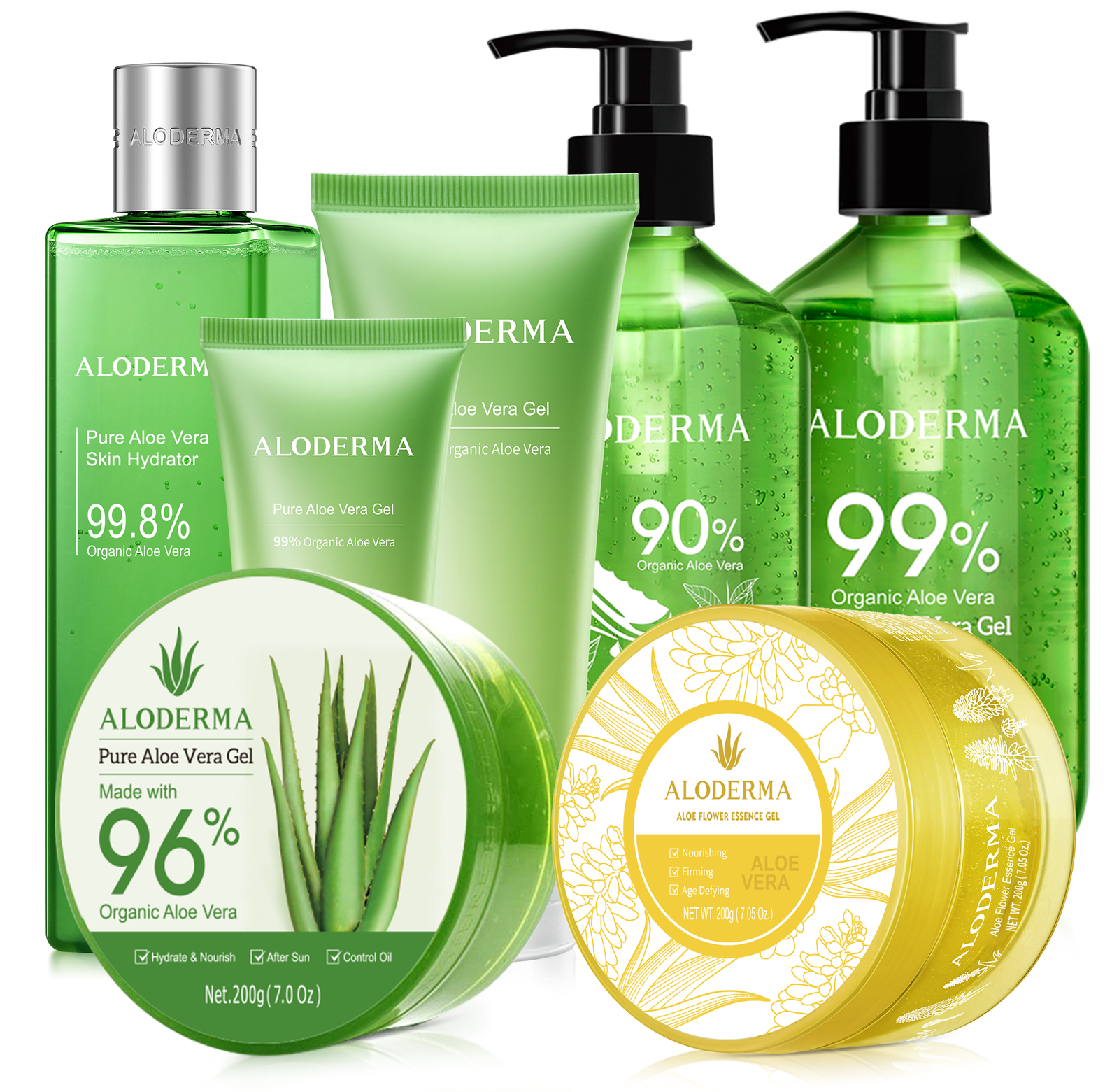
Aloderma's model stands out in a practical way. Aloderma is a fully vertically integrated aloe vera company. It grows all of its own organic aloe vera, then processes that aloe and manufactures onsite within 12 hours of harvest so the primary ingredient in every product is as bioactive and effective as possible.
That matters because it reduces the distance between growing, processing, and formulation. Instead of treating aloe as a background ingredient, the whole system is built around keeping it fresh.
For a shopper, that creates a simpler test. Don't just ask whether a mask is organic. Ask whether the brand can explain how quickly its aloe moves from harvest into the finished product.
How to Read a Face Mask Ingredient List Like an Expert
Once you stop relying on the front label, the ingredient list becomes much less intimidating. You don't need a chemistry degree. You need a short checklist and a little patience.
Start with the first few ingredients
Ingredient order matters. In general, ingredients appear in descending order by amount, so the top of the list tells you what the formula is mostly made of.
If a mask centers aloe vera in its marketing, you want to see aloe high on the list. If “Water/Aqua” appears first and aloe shows up much farther down, that tells you aloe may play a smaller role than the packaging implies.
A quick green-flag red-flag check
- Green flag: The hero ingredient appears near the top. If a mask is sold as an aloe mask, aloe should be prominent.
- Red flag: The packaging highlights a plant ingredient, but the list suggests the formula is driven mainly by water and fillers.
- Green flag: The ingredient list matches the mask type. Clay masks should clearly feature the clay ingredients that give them their purpose.
- Red flag: Fragrance-heavy formulas can make some people hesitant, especially if they already know their skin prefers simpler products.
Read the first five ingredients first. Most of your decision can happen there.
Match the ingredient list to the mask style
Different mask formats do different jobs.
A gel mask usually suits someone who wants a cool, light, moisture-focused feel. A clay mask often appeals to someone trying to cut down on surface oil. A sheet mask is useful when you want quick, easy contact with a serum-rich formula.
Here's a simple way to think about it:
| Mask type | What to look for | What to question |
|---|---|---|
| Gel mask | Aloe, humectants, lightweight plant-based hydrators | Heavy scent if your skin dislikes it |
| Clay mask | Kaolin or other clays near the top | Overly drying combinations |
| Sheet mask | A serum base built around the featured ingredient | A front label hero ingredient that barely appears in the list |
If your bigger skincare goal is firmness or bounce, ingredient education can also help you connect masks to broader routine choices. This guide to ways to trigger your body's collagen is a helpful overview of plant-based ingredients people often look for across categories.
The main point is simple. Don't shop by adjectives alone. Shop by ingredient order, formulation logic, and whether the product type matches the result you want.
Matching the Best Organic Mask to Your Skin's Needs
A face mask can be well made and still not be right for you. The better question is, “What do I want my skin to feel like after I rinse this off or remove this sheet mask?”
Clinical studies of multi-component organic facial masks found a 51.22% immediate increase in skin hydration and an 87.84% increase in skin gloss, according to this published study on organic facial mask efficacy. That supports something many users notice in real life. A well-formulated mask can create visible, feelable changes quickly.

If your skin feels tight and thirsty
Look for masks that focus on moisture and comfort. Gel textures, cream masks, and serum-rich sheet masks usually fit best here.
Helpful ingredients often include aloe vera, glycerin, avocado oil, and rich moisturizing components that help skin feel softer after use. The goal isn't heaviness. It's relief.
If your skin gets shiny fast
Clay-based formulas often make more sense for this skin mood than richer cream masks. The ideal result is balanced, not stripped.
Ingredients like kaolin can help absorb excess surface oil, while aloe can keep the overall feel from becoming too harsh. Many people do well using this type of mask only on the areas that need it most.
If your skin is easily unsettled
Go for simpler, gentler formulas with ingredients known for comfort, such as aloe, oats, chamomile, or calendula. Gel masks and soft sheet masks are often easier to work into a routine than aggressive peel-off or highly active formulas.
A practical comparison helps:
- Choose a gel mask when your skin wants cooling hydration.
- Choose a sheet mask when you want quick softness before an event or after a long week.
- Choose a clay mask when the main goal is to reduce surface oil and leave skin feeling clearer.
If your skin looks dull
Often, people overcorrect and reach for something too strong. Dull-looking skin doesn't always need a harsh reset. Sometimes it needs hydration first.
Skin that looks flat often responds well to moisture, gentle exfoliating support, and better ingredient quality, not a more aggressive mask.
If brightness is your goal, look for masks with green tea, fruit-derived acids, or vitamin-rich botanical ingredients, but keep texture and comfort in mind. A polished look usually comes from consistency, not intensity.
The ALODERMA Difference Farm-to-Face Freshness in Action
When people ask what separates one organic aloe mask from another, this is the practical answer. You look at the sourcing model, the featured ingredient, and the product fit for your skin goals.
Aloe vera leaves are best harvested in the morning, when they're most plump and packed with beneficial compounds, according to Aloderma's guide on how to prepare aloe vera. That detail matters because it shapes the quality of the starting material before formulation even begins.
A few product examples that make the criteria concrete
If your skin feels dry, warm, or generally worn out, a sheet mask can be the easiest starting point. The Aloe Soothing & Moisturizing Sheet Mask is built for that use case: quick hydration, a soft feel, and easy application.
If your skin tends to feel more combination or looks congested in certain areas, a rinse-off mask may make more sense. The Aloe Clearing & Rejuvenating Mask fits that role better because it's designed for a more targeted masking session.
For shoppers who want to compare textures across the same ingredient philosophy, it also helps to browse Aloderma's broader hydrating masks collection. You can see how the format changes the experience even when fresh organic aloe remains the core idea.
Choosing by feel, not hype
Here's a simple comparison to keep your choice grounded.
| Choosing Your ALODERMA Organic Mask | Best For Skin That Feels | Primary Benefit |
|---|---|---|
| Aloe Soothing & Moisturizing Sheet Mask | Dry, tired, or easily unsettled | Quick hydration and a softer feel |
| Aloe Clearing & Rejuvenating Mask | Shiny, uneven, or congested | A fresher, more balanced finish |
| Hydrating masks collection | Unsure which texture fits your routine | Lets you compare sheet and rinse-off options |
The larger point is that the product should match the reason you're masking in the first place. If you want comfort, choose comfort. If you want balance, choose balance. If you want both, use different formats on different days.
Your Organic Face Mask Ritual for Radiant Skin
A good mask works better when you use it with a little consistency and a little restraint. More product and more frequent use don't automatically mean better-looking skin.
A simple routine that works
- Start with clean skin. Remove sunscreen, makeup, and the day's buildup before applying any mask.
- Patch test first. This matters even with gentle formulas. Try a small area before putting the product over your whole face.
- Use the right amount. A smooth, even layer is enough for rinse-off masks. For sheet masks, press the material gently so it sits close to the skin.
- Follow the product directions. Don't leave a mask on much longer than intended in hopes of extra results.
- Seal in the comfort. After removing the mask, follow with the rest of your routine if needed, especially a moisturizer.
How often should you mask
Typically, a few times a week is a reasonable rhythm, but your skin's response matters more than a rigid schedule. If your skin feels happy and comfortable, keep going. If it starts to feel overloaded, pull back.
For sheet-mask users, Aloderma's guide on how to use sheet masks gives practical tips on application and follow-up care.
Keep the ritual realistic
Your face mask routine doesn't need to look fancy to be effective. Ten quiet minutes after cleansing counts. A sheet mask before a dinner out counts. A clay mask only on your T-zone counts.
If you enjoy skincare content beyond products, even adjacent creative spaces can make routines feel more personal. Some readers who share beauty content online may also like exploring creator opportunities with Urban Totes as part of a lifestyle or self-care content mix.
The best organic face masks are the ones you can understand, trust, and use consistently. Once you know how to decode labels and pay attention to freshness, shopping gets much easier.
If you want an aloe-focused routine built around certified organic standards and fresh processing, explore ALODERMA. The site makes it easy to compare mask formats, check ingredients, and shop based on how your skin feels instead of relying on vague front-label claims.